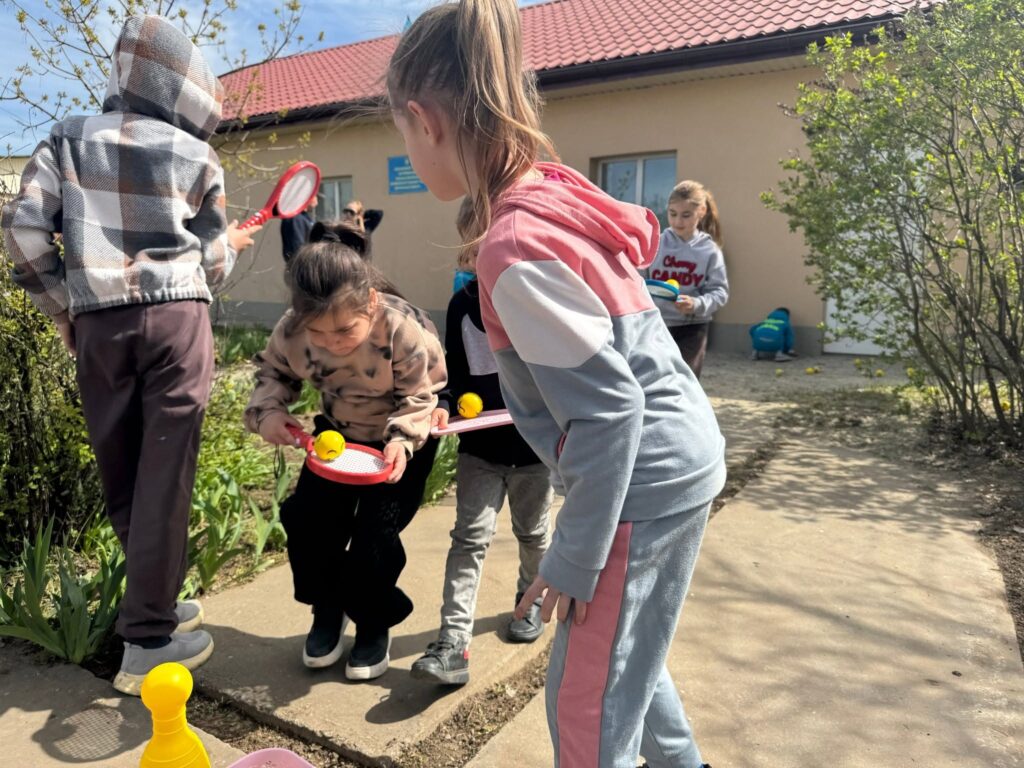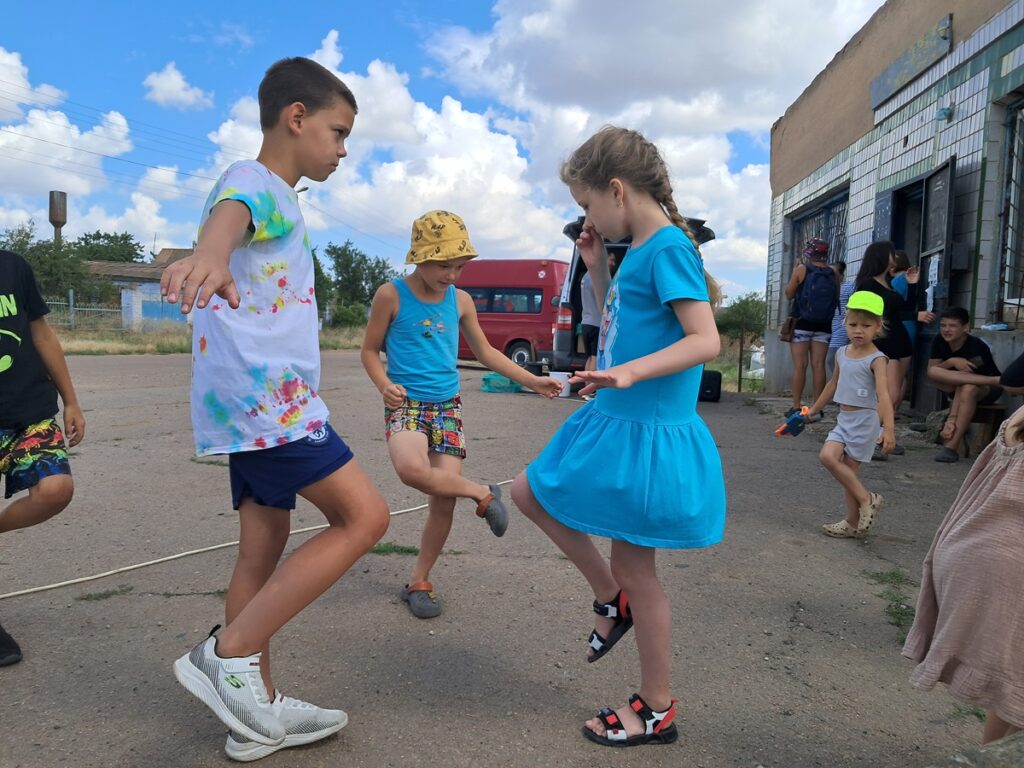
Across the Caritas Ukraine network, there are 50 Child-Friendly Spaces (CFSs). In most places, these are safe locations where children can come after school, meet friends, play, talk to a psychologist, or simply feel secure.
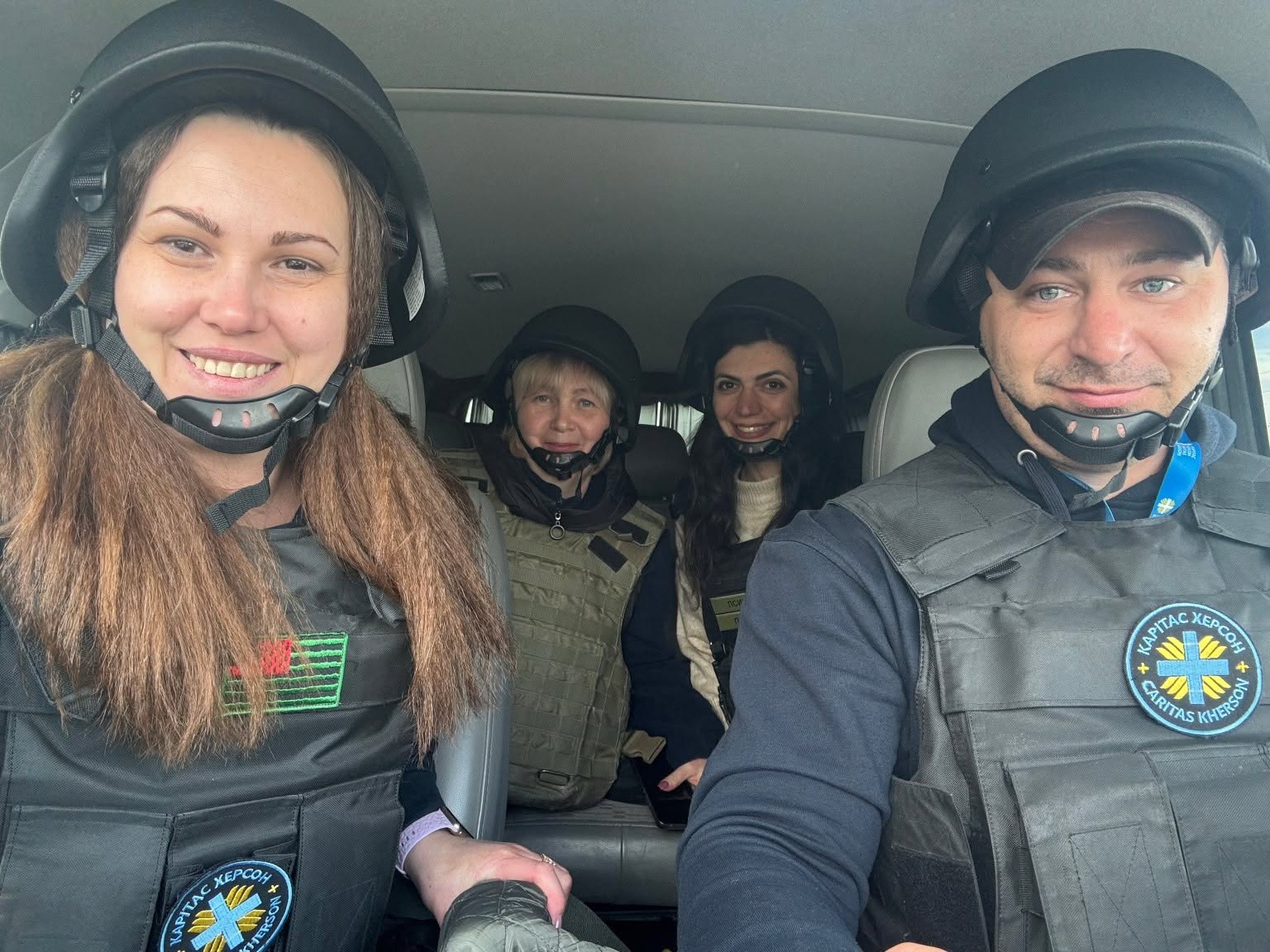
In the Kherson region, things are different. Because of constant danger, shelling, and the ongoing security situation, a Child-Friendly Space cannot operate in the usual way. Instead, the space travels to the children.
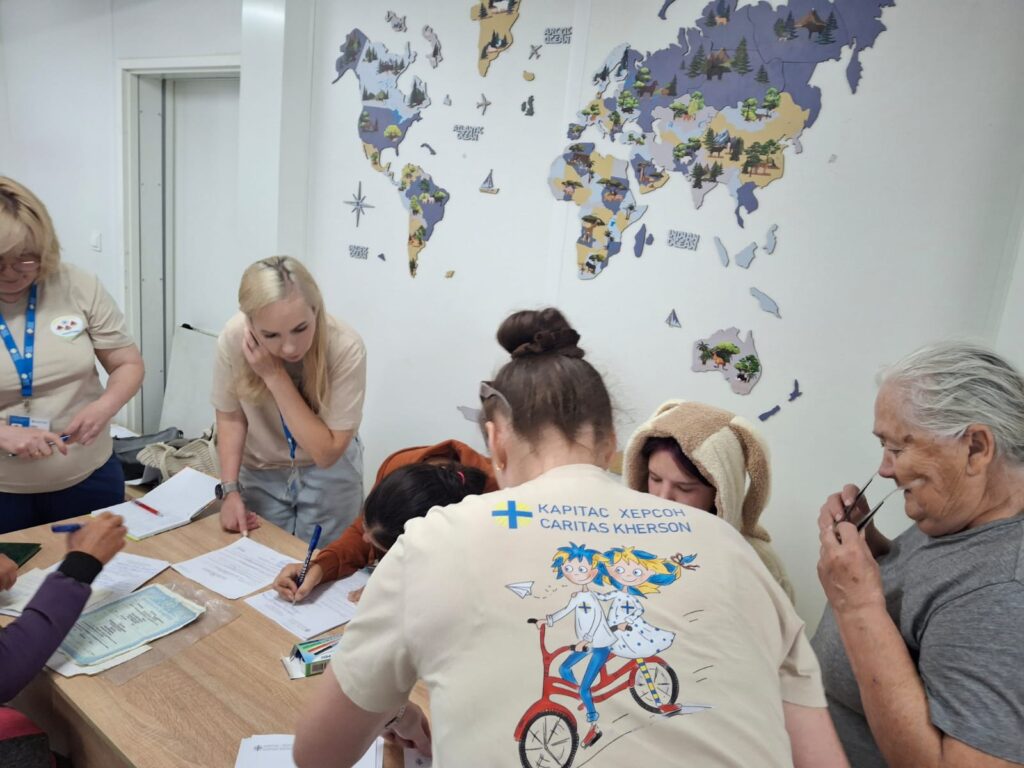
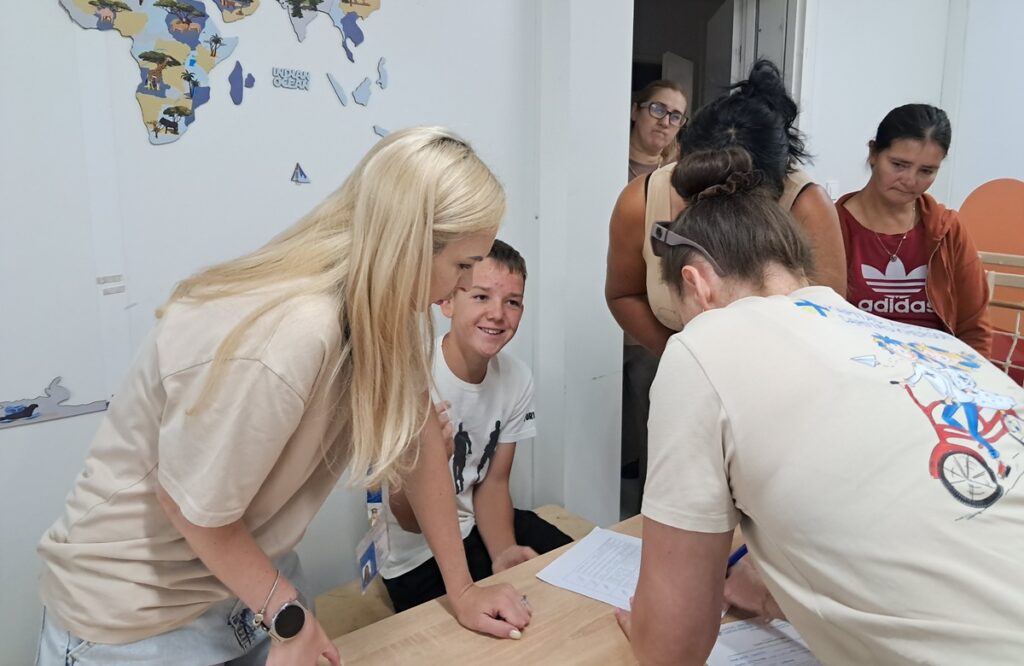
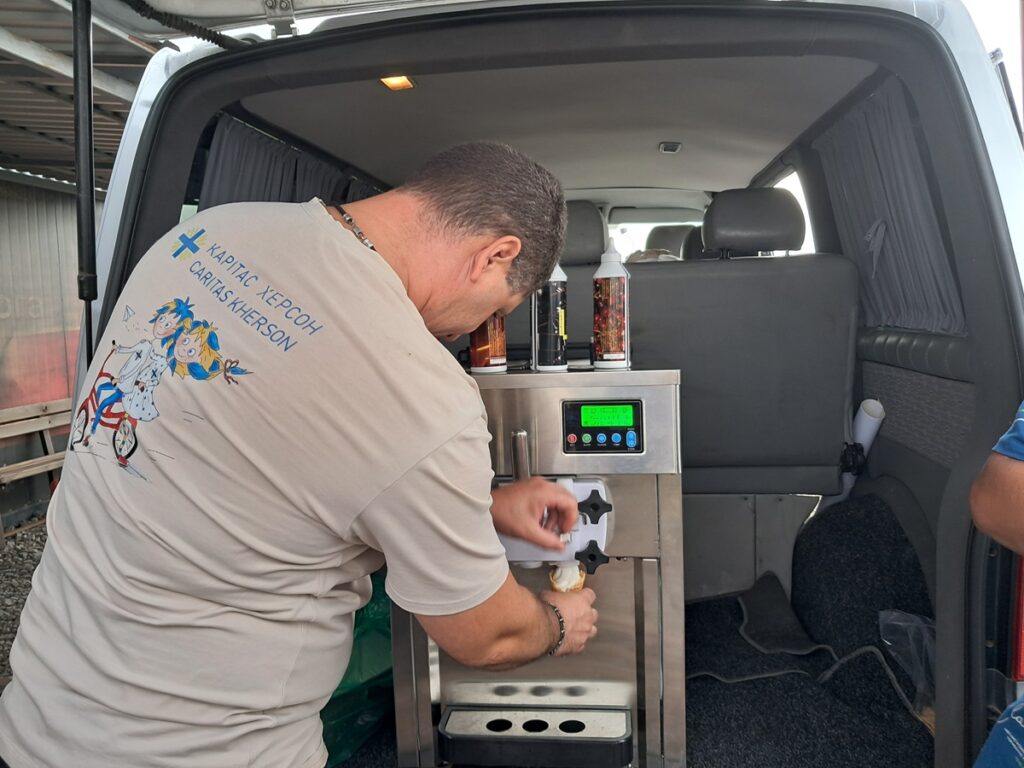
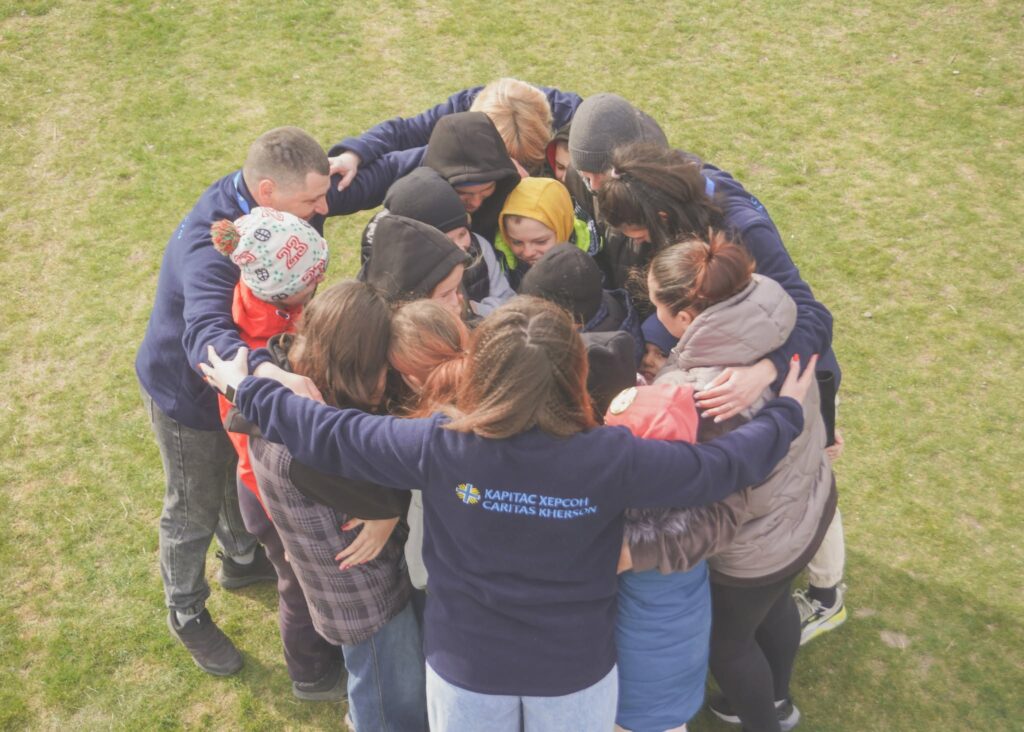
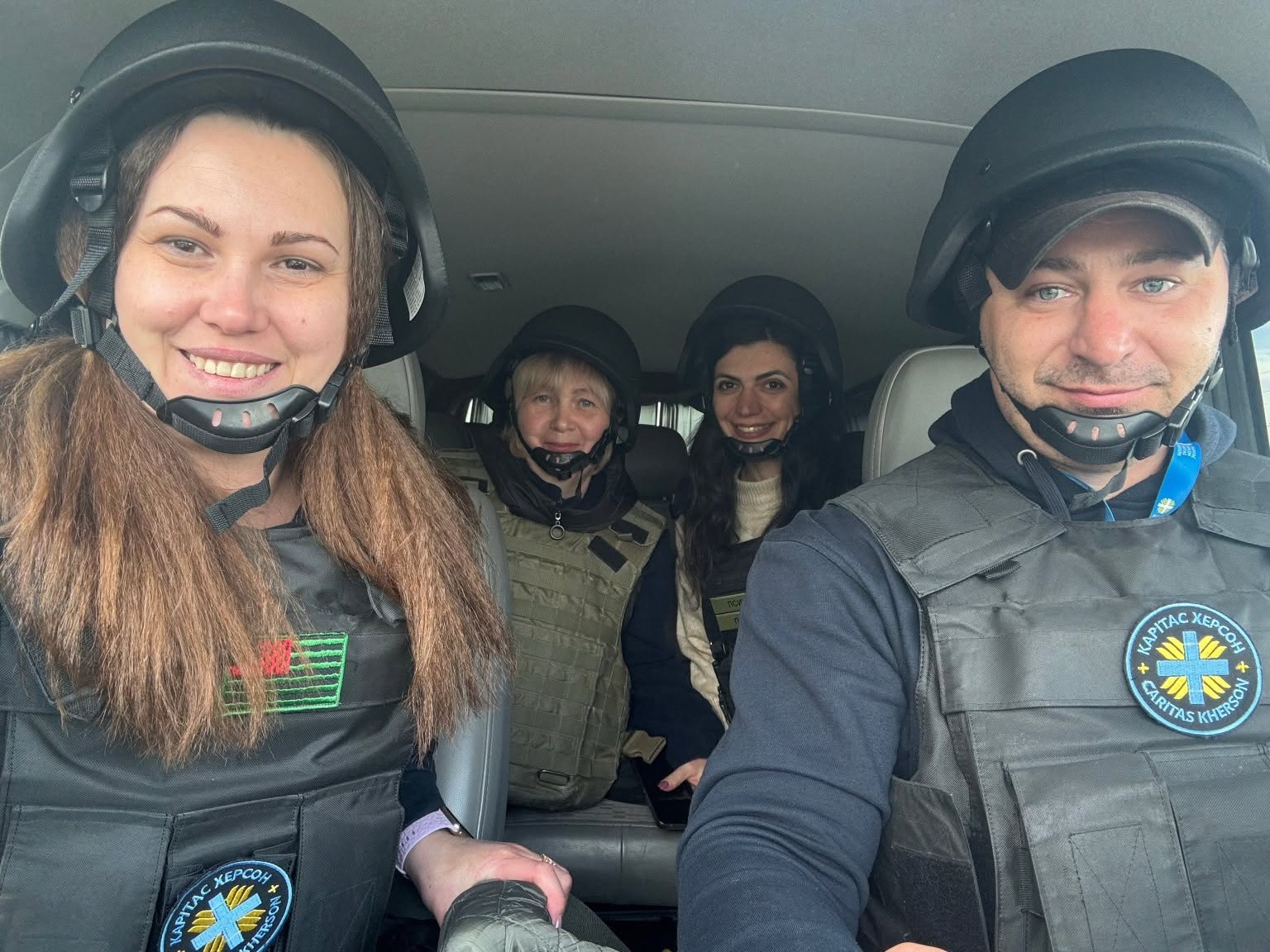
Several times a week, a mobile team from Caritas Kherson travels to communities across the region. Their goal is not only to organize educational activities, creative workshops, and games for children, but also to provide comprehensive support for families. The team includes a psychologist, a social worker, an animator, as well as specialists such as a lawyer and crisis support professionals.
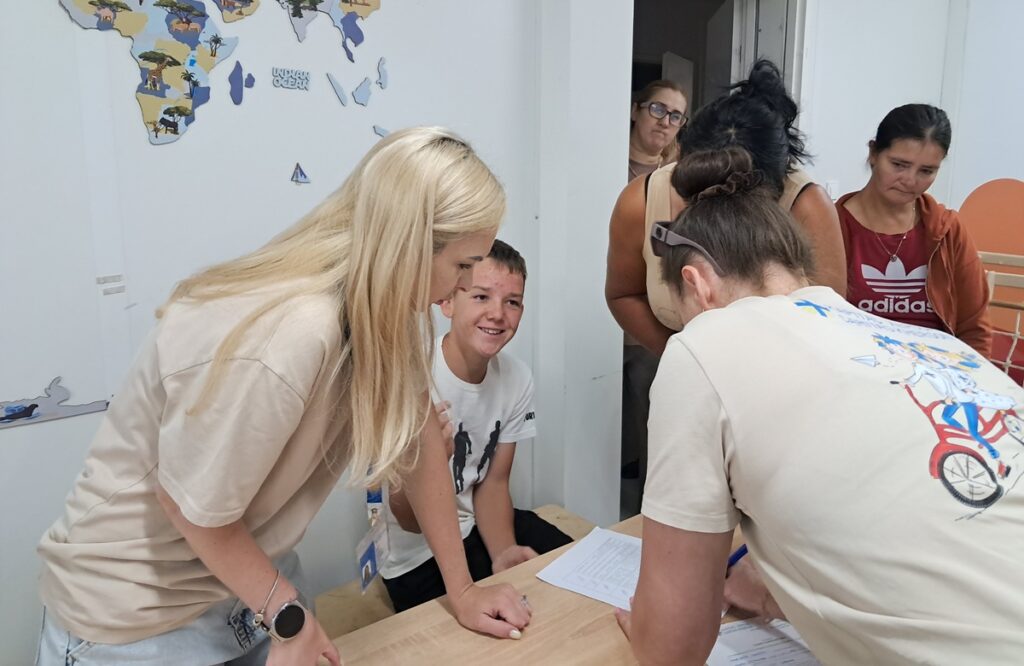
Over the 14-month project, from July 2026 to the end of September 2027, the mobile teams will regularly visit the Bilozerska, Daryivska, Muzykivska, and Chornobaivska communities.
The initiative is made possible through the financial support of the Ukraine Crisis Appeal, Rotary Australia World Community Services and Australian Federation of Ukrainian Organisations.
A Safe Space That Comes to Children
The project is expected to support 250 children aged 2 to 17 who need help the most. This includes children from internally displaced families, military families, large and low-income households, children with disabilities or special educational needs, orphans, and children who are now being cared for by relatives because of the war.
For each community, the team will prepare a separate schedule of activities, organize groups based on the children’s age and needs, and offer creative workshops, team games, sessions on emotional resilience and social skills, as well as individual consultations for those who need extra support. Special attention will be given to children with special educational needs by adapting activities to their abilities.
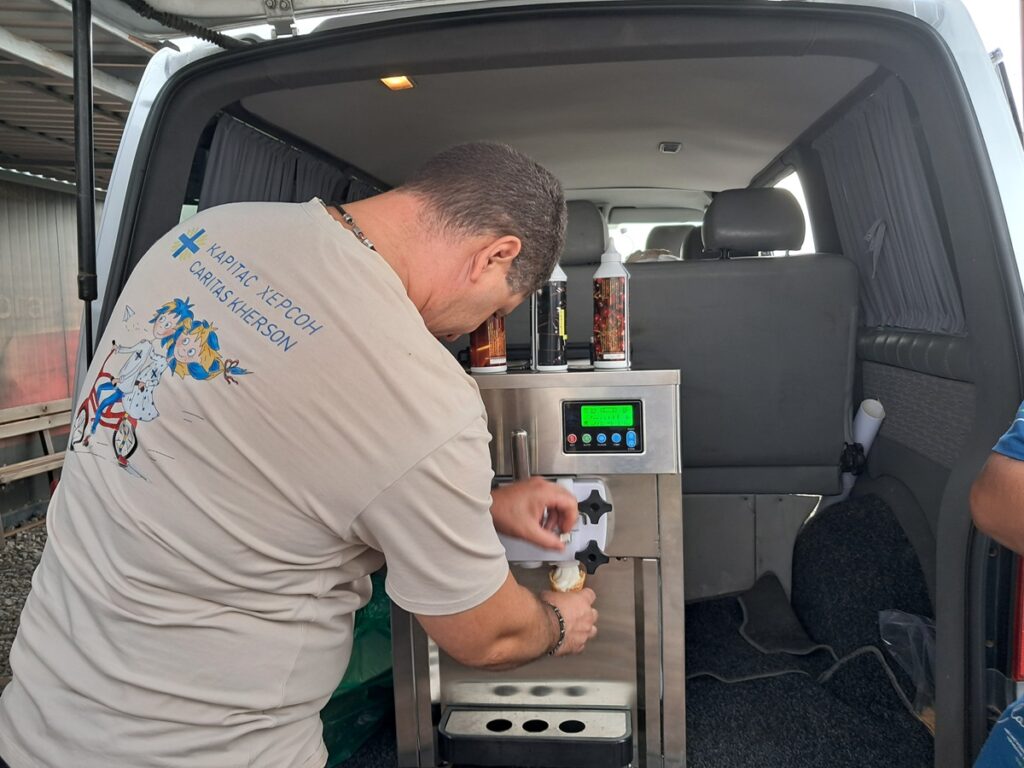
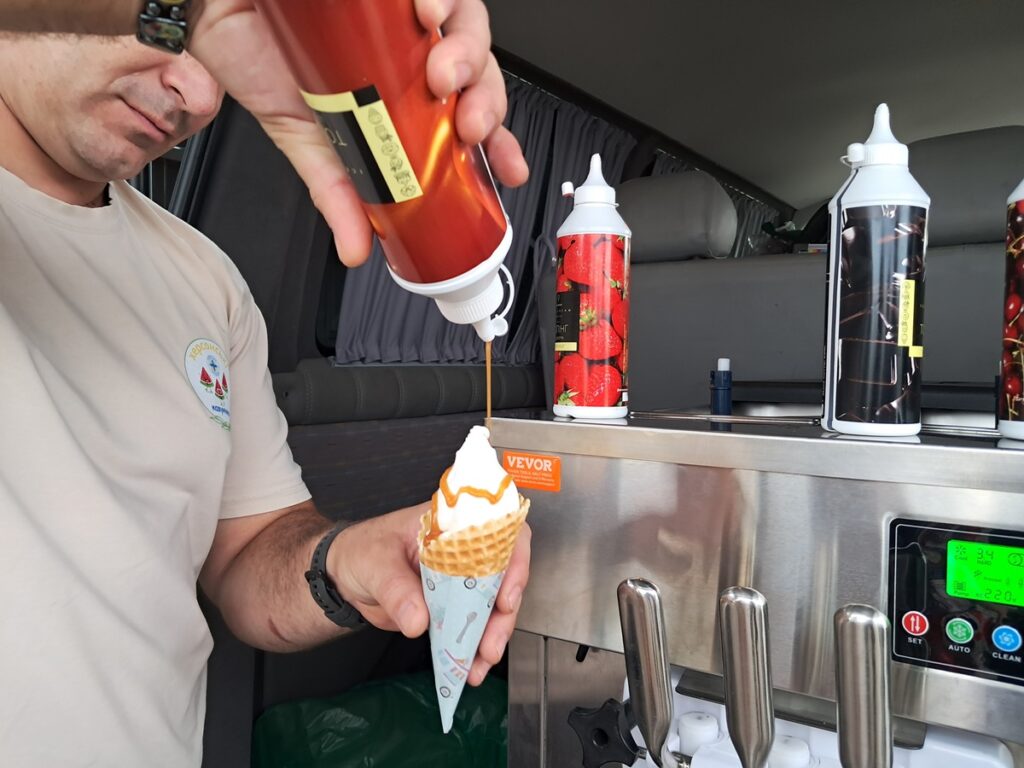
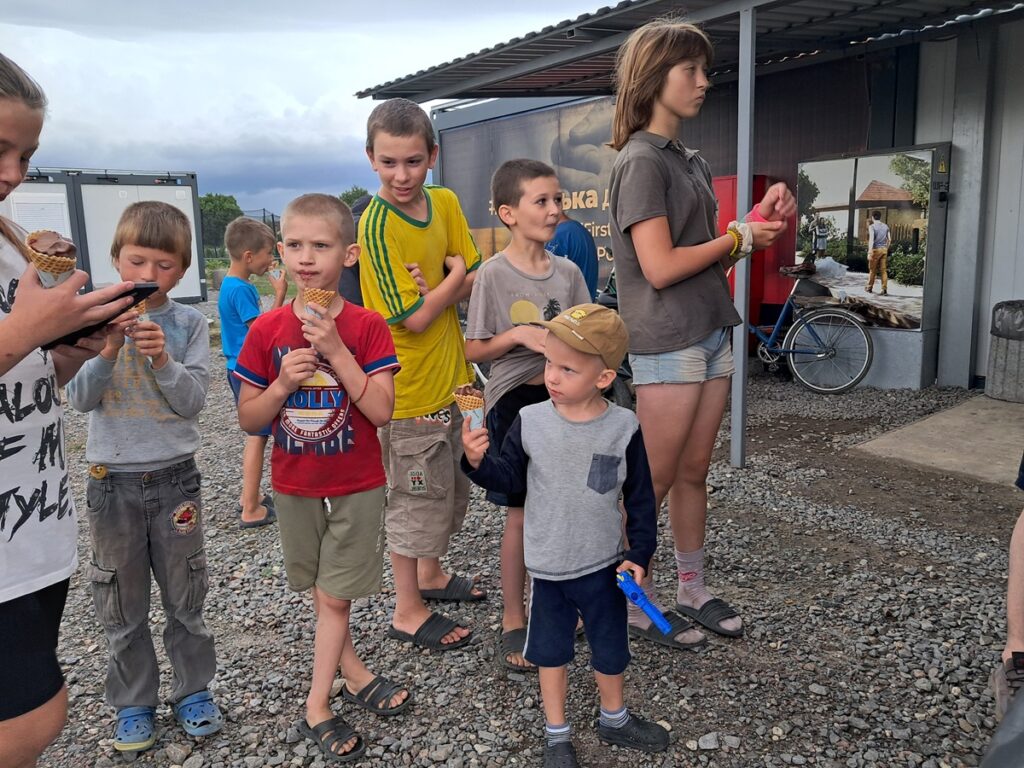
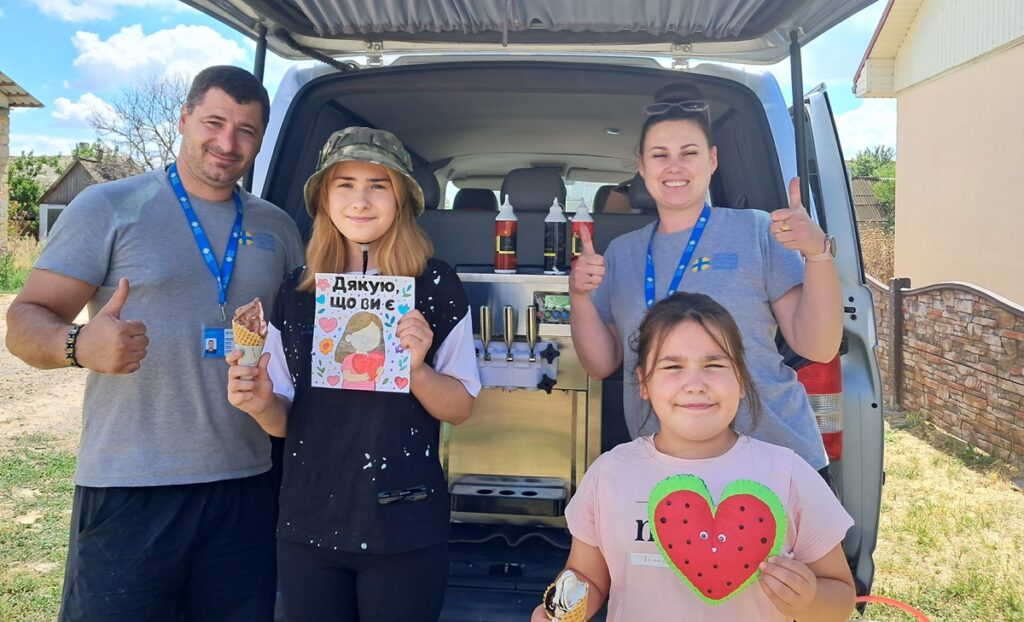
During the project, the team plans to hold at least 1,000 group sessions. Every visit will include several types of activities. Alongside psychological support sessions, children will take part in quests, workshops, and sports activities. In today’s reality, these are more than just entertainment—they help children regain a sense of normal life.
Over the past years, the team has worked as part of the humanitarian response to the challenges of the full-scale war. This experience has given them a clear understanding of the needs of children and adults in the region. Combining games, creative activities, teamwork, and personal interaction helps children open up more easily, build trust, and gradually regain a sense of safety.
Support for the Whole Family
Helping children is not enough if the adults around them are left without support. That is why a Mobile Crisis Centre will work alongside the mobile Child-Friendly Space.
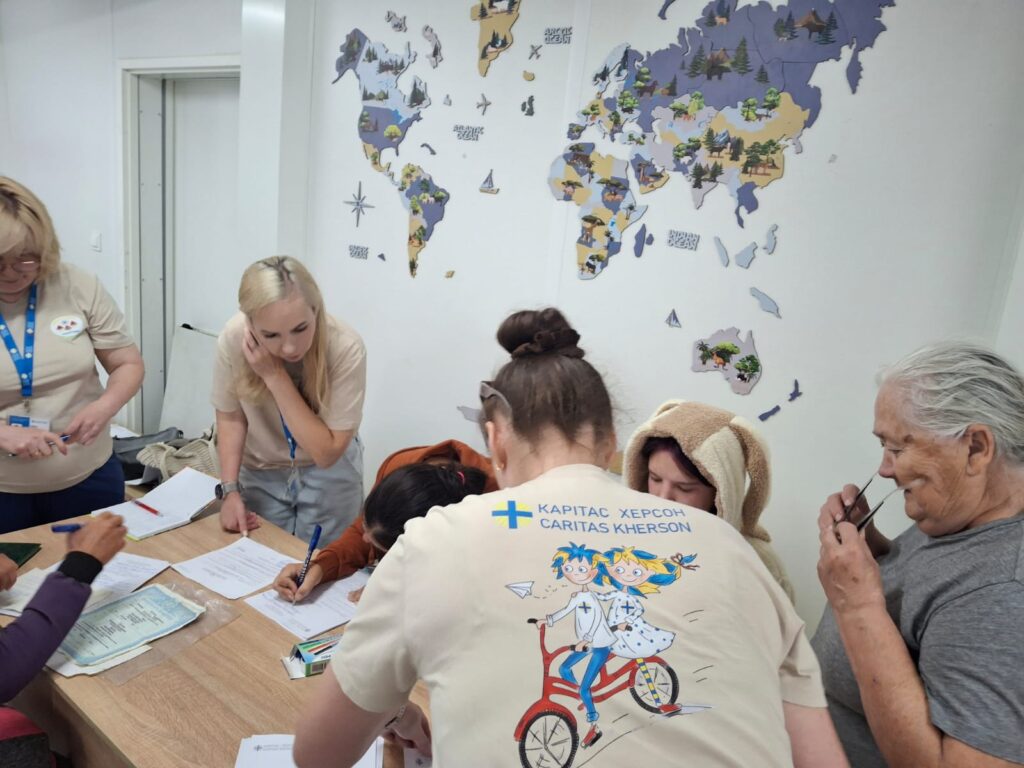
While children take part in creative, educational, and psychological activities, parents, caregivers, and other family members will be able to receive professional support from psychologists, lawyers, crisis specialists, and case managers. This approach allows the entire family to receive help at the same time, because a child’s well-being is closely connected to the emotional well-being of the adults who care for them.
The team will support people facing some of the most difficult life situations, including internally displaced people, single parents, older adults, people with disabilities, families of military personnel, families of missing persons, people who have lost their homes, and survivors of violence, captivity, or other consequences of the war.
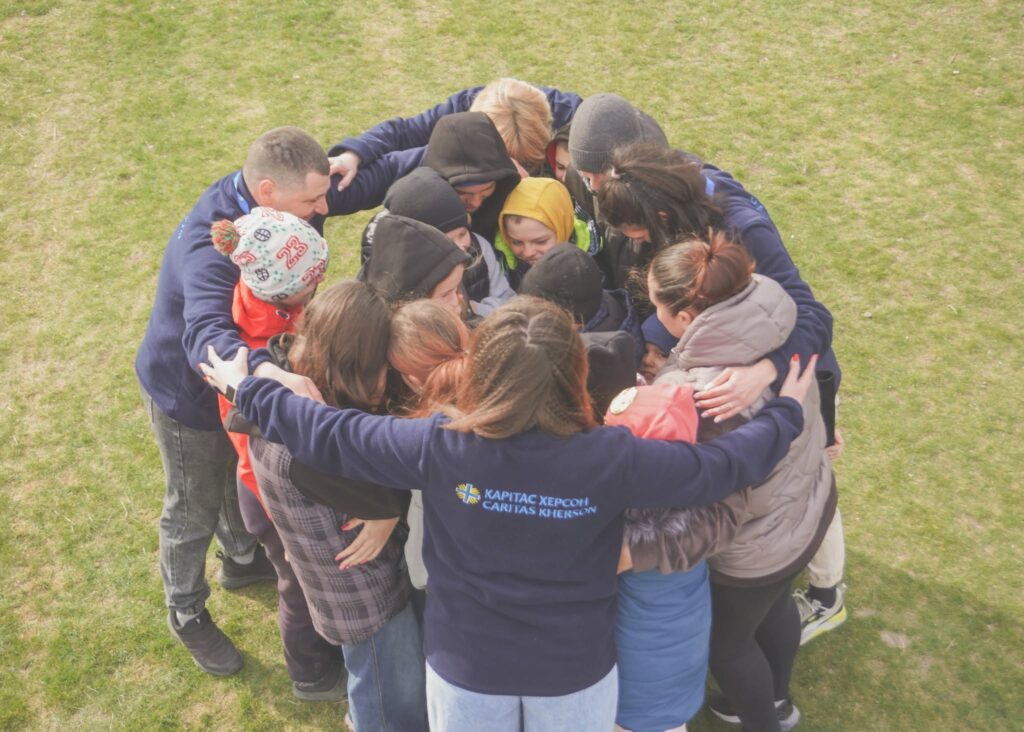
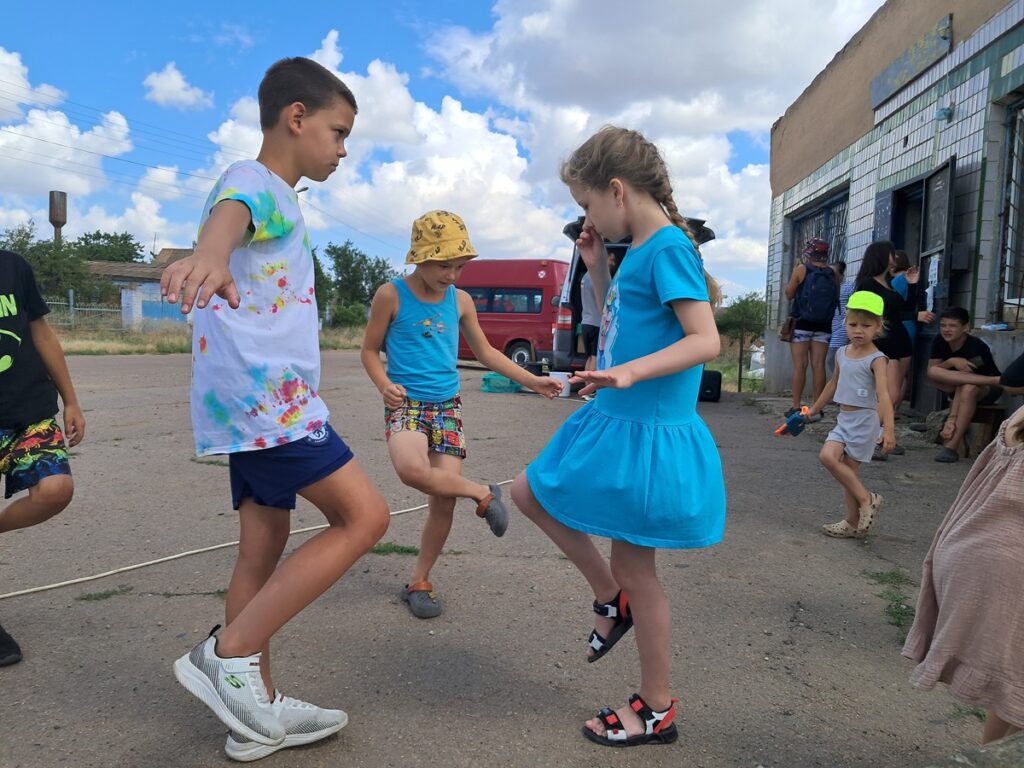
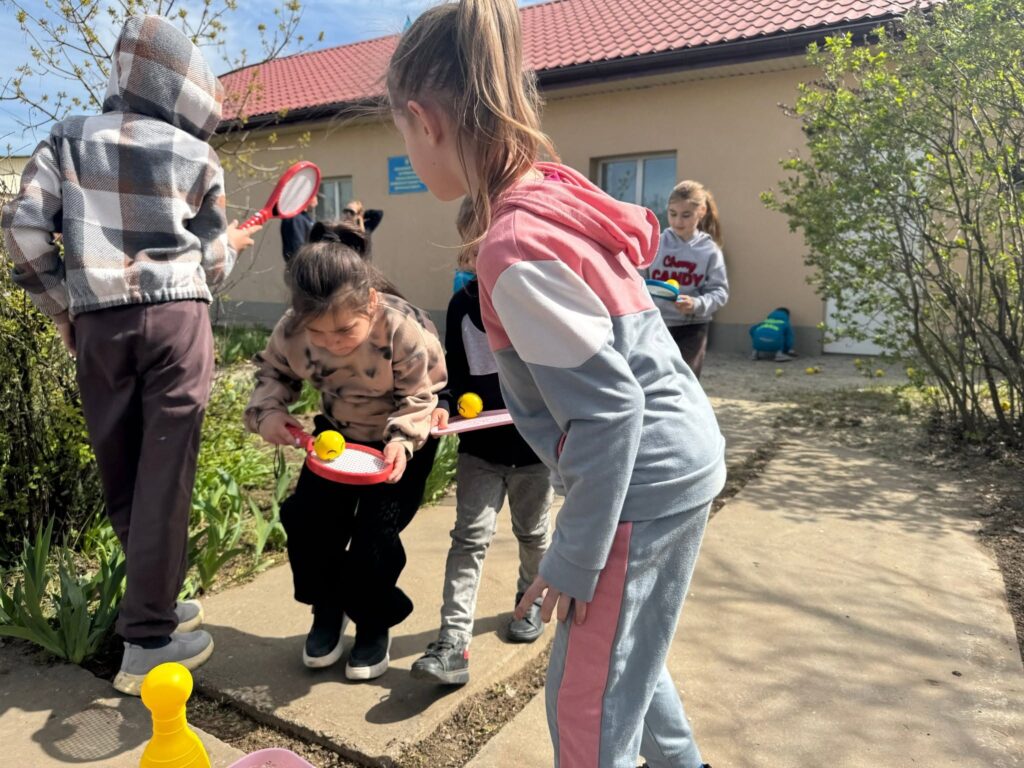
For some, this will mean crisis psychological support during the first days after a traumatic event. Others will receive several months of case management support. Some will mainly need legal assistance with restoring documents, applying for social benefits, or resolving issues related to housing, land, or property.
During the project, 180 people will receive crisis intervention services, 160 people will receive longer-term case management support, and 250 beneficiaries will benefit from legal assistance.
The specialists will also organize group psychoeducation sessions and consultations, helping people better understand their emotional well-being, learn practical self-help techniques, and gradually rebuild their inner resilience.
What makes this project unique is its family-centered approach. It does not separate the needs of children from those of adults. Instead, it provides comprehensive support: children receive a safe space to learn, play, and connect with others, while adults receive the tools and professional guidance they need to cope with crisis and regain a sense of control over their lives.