
When one critical component fails, thousands of people can be left without a reliable water supply.
According to UNICEF, at least 1,109 km of water supply networks, 82 pumping stations and 327 km of sewerage networks have already been damaged or destroyed in Ukraine. In 2026, around 6.4 million people require humanitarian assistance in water, sanitation and hygiene.
Another major challenge is the dependence of water supply systems on electricity. An assessment of 43 major water utilities serving 11.2 million people found that 85% do not have sufficient backup power capacity. Power outages can halt pumping stations, water treatment processes and water distribution.
During systematic attacks on Ukraine’s energy infrastructure in the winter of 2025–2026, emergency power outages affected millions of people across the country. The UN Human Rights Monitoring Mission also documented disruptions to water supplies caused by electricity outages.
There is therefore no single solution to the challenge of maintaining water supplies. Communities need wells and networks to be rehabilitated, pumps and pipelines to be replaced or upgraded, water treatment systems and reagents, as well as backup power. Municipal utilities also need equipment that enables them to respond more quickly to emergencies and keep essential systems running.
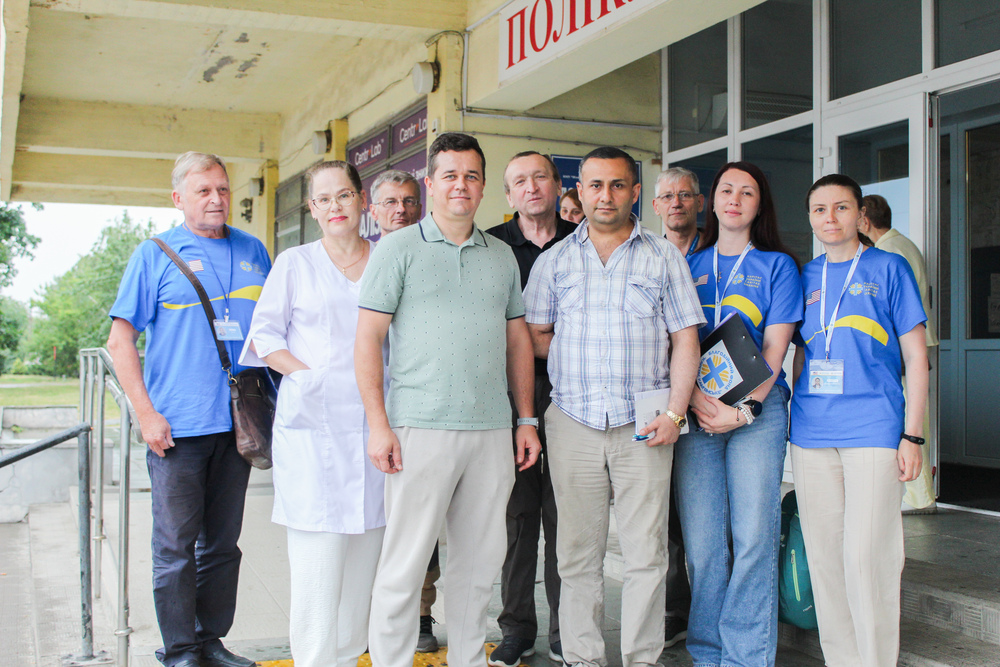
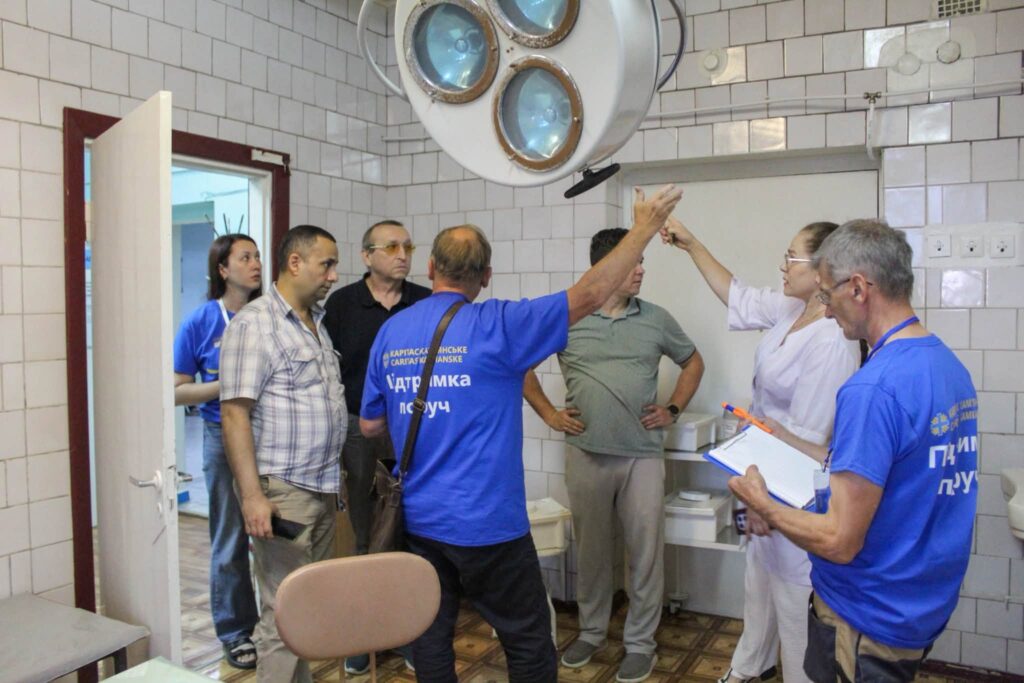
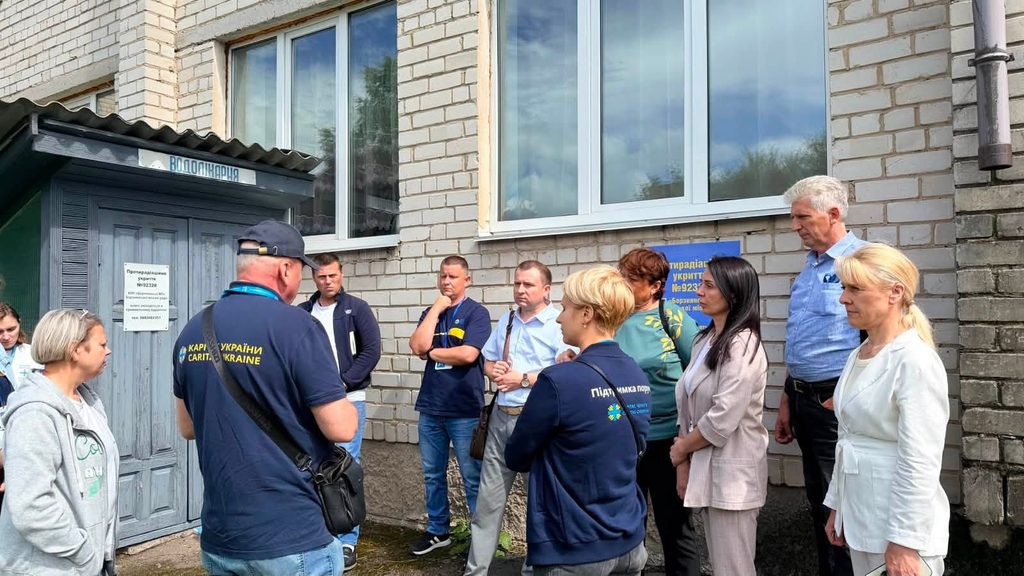
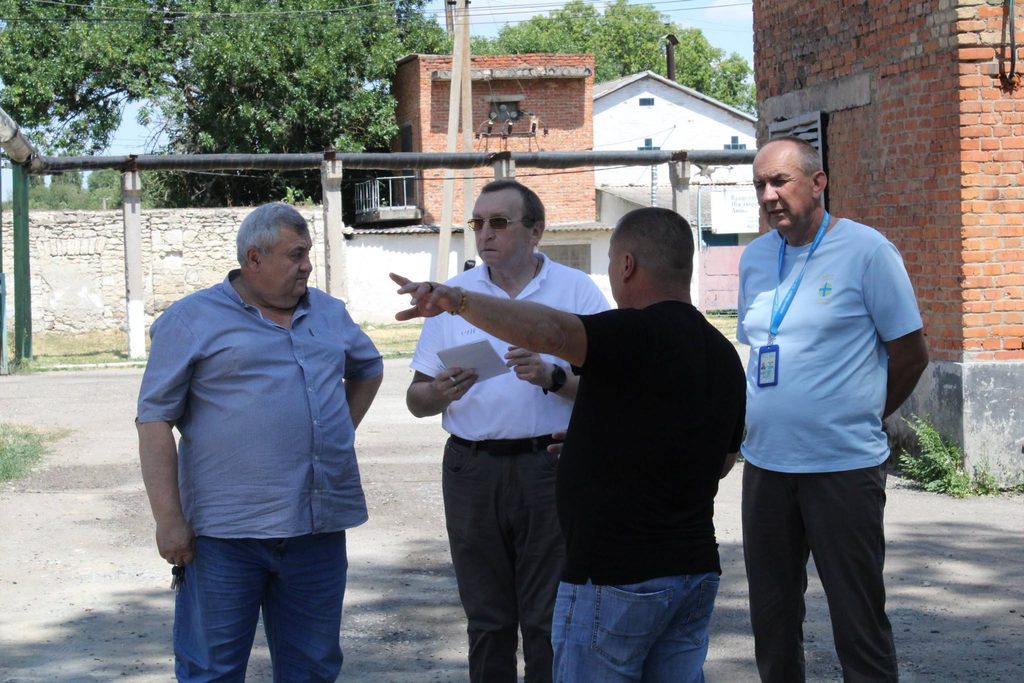
Caritas teams are working with healthcare facilities across three regions to identify needs and plan the necessary works.
This is the approach Caritas is taking through the “Multi-Sectoral Assistance to War-Affected People in Ukraine” project, funded by the U.S. Department of State and implemented by Caritas Ukraine and local Caritas organisations in partnership with Catholic Relief Services. The project includes the rehabilitation of centralised and decentralised water supply systems, as well as the provision of backup energy solutions and filtration systems.
Work on water infrastructure spans locations across eight regions: Chernihiv, Dnipropetrovsk, Mykolaiv, Sumy, Kyiv, Zaporizhzhia, Poltava and Kharkiv.
To date, 15 infrastructure sites have undergone technical assessments in preparation for repairs and the installation of energy equipment, while a further eight social facilities in the Kyiv region have been assessed for energy solutions. In five regions, technical assessments have been carried out for decentralised water supply systems, sanitation facilities and wastewater infrastructure. Procurement is also under way for municipal water treatment units, pumps, valves, pipelines and other operational equipment.
A generator can keep an entire system running
One example of support already provided comes from Caritas Kamianske in the Dnipropetrovsk region.
The municipal utility Tomakivske Water Supply and Sewerage Company of the Tomakivka Settlement Council received a generator to provide backup power for its water treatment plant. During scheduled or emergency power outages, it will help keep the equipment needed for water treatment operational.
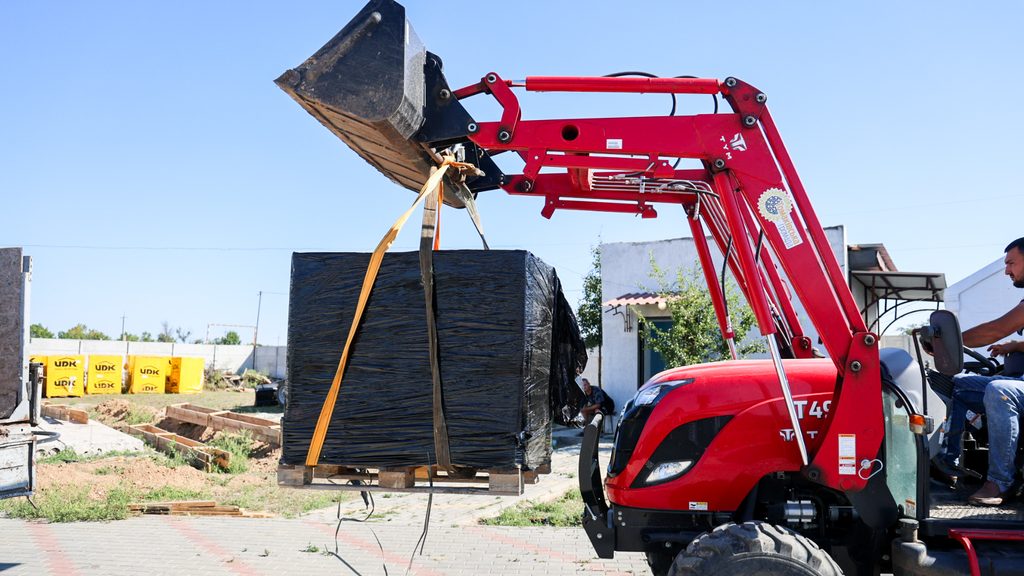
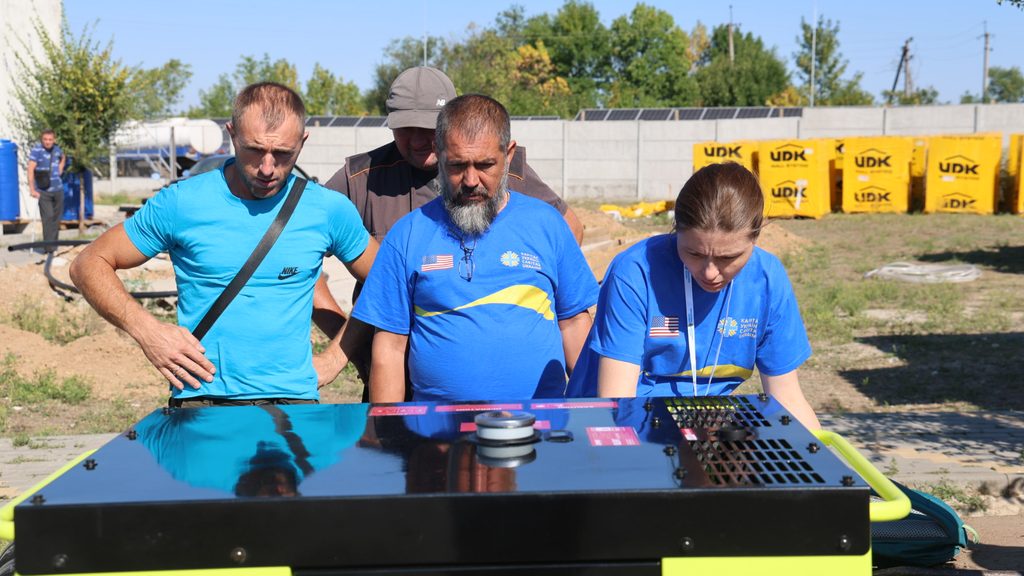
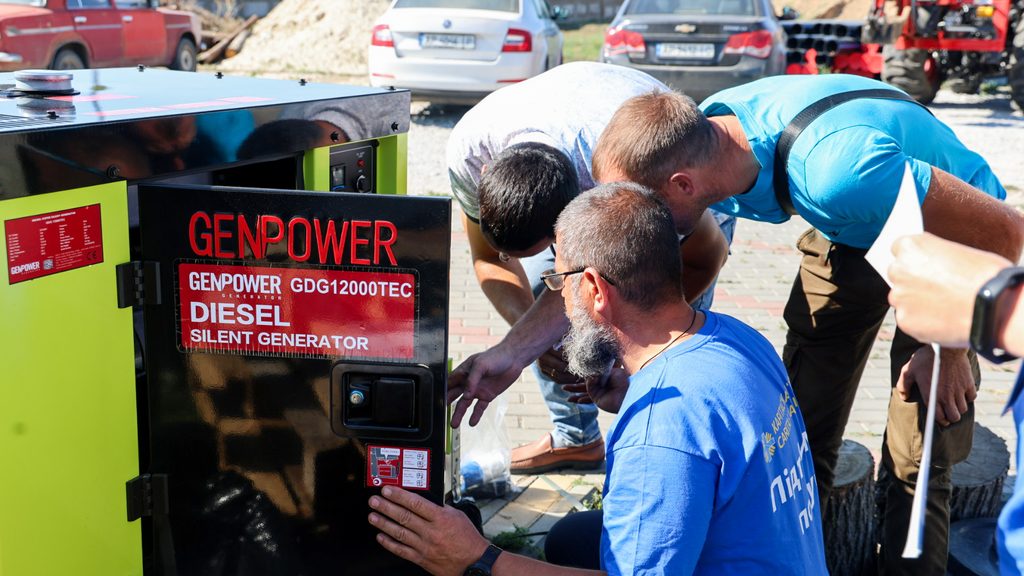
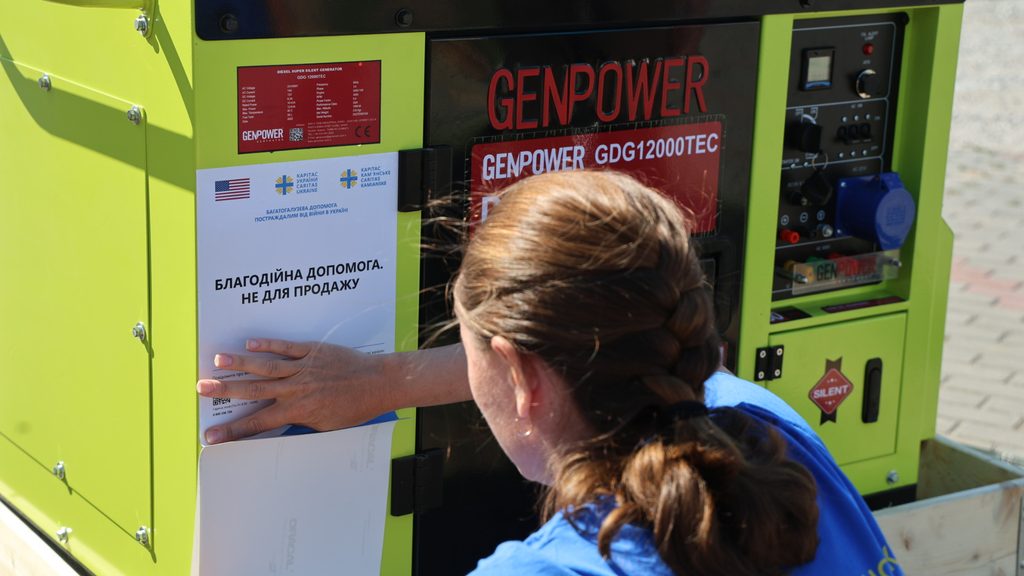
For the Tomakivka community, this is particularly important following the destruction of the Kakhovka Dam, which significantly worsened water supply challenges for communities in southern Ukraine. Backup power helps reduce the risk of the treatment plant shutting down during electricity outages.

This example also illustrates how Caritas works with water utilities and communities. The community itself identifies the need. The Tomakivka community submitted a request for the necessary equipment, while Caritas Kamianske specialists assessed its eligibility under the project and supported the procurement and handover process.
“Communities identified their own needs and approached our organisation with requests for support that could strengthen their ability to operate under wartime conditions. This kind of joint work helps build communities’ capacity and supports their self-reliance,” said project coordinator Iryna Zaloha.
From a single facility to system-wide support for communities
In the Mykolaiv region, this work already covers six communities: Voskresenska, Novobuzka, Bashtanska, Voznesenska, Nechaiana and Kostiantynivska. Based on available data, the water supply systems in five of these communities serve at least 81,800 people.
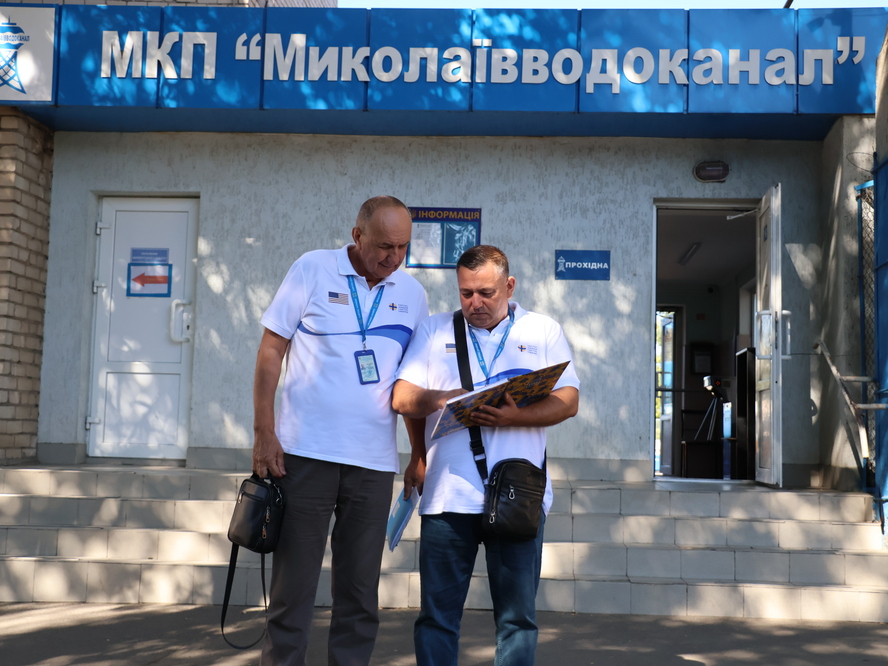
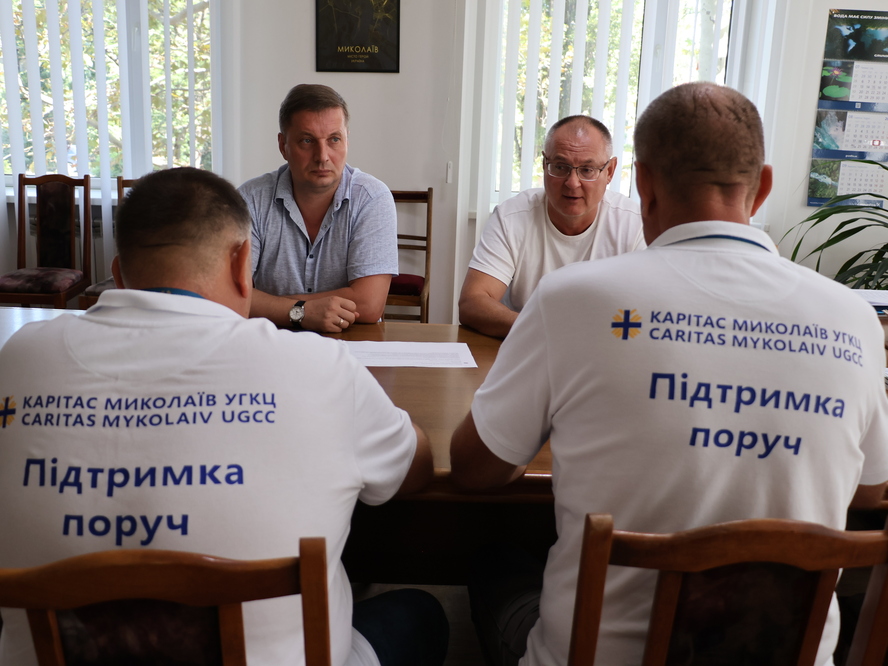
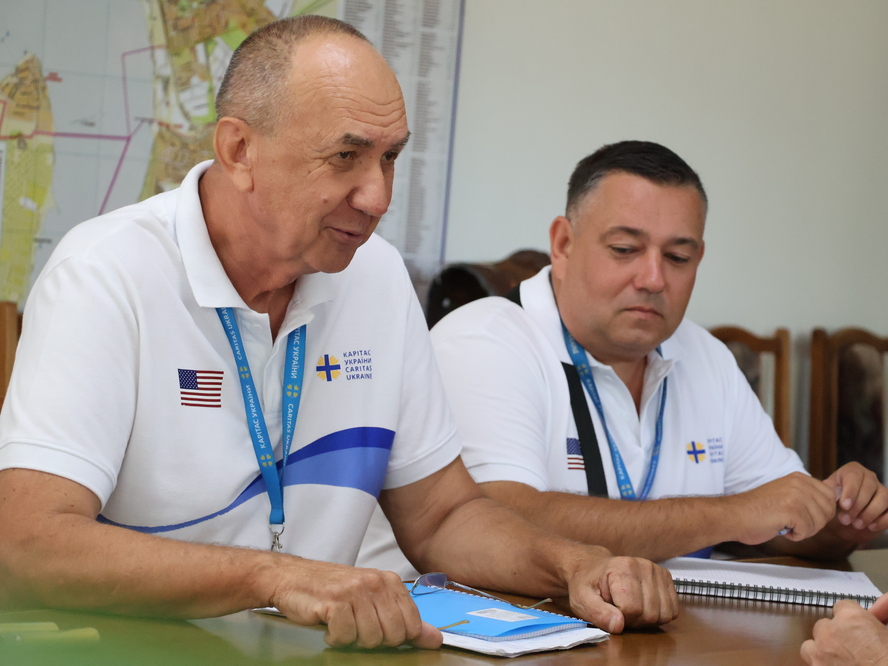
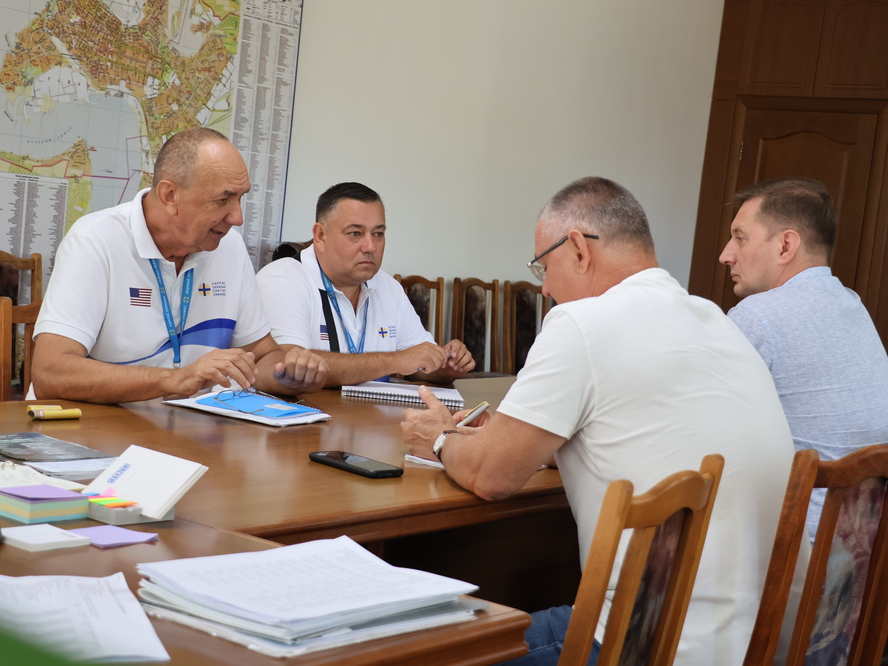
The Caritas team during an introductory meeting with representatives of Mykolaivvodokanal municipal water utility.
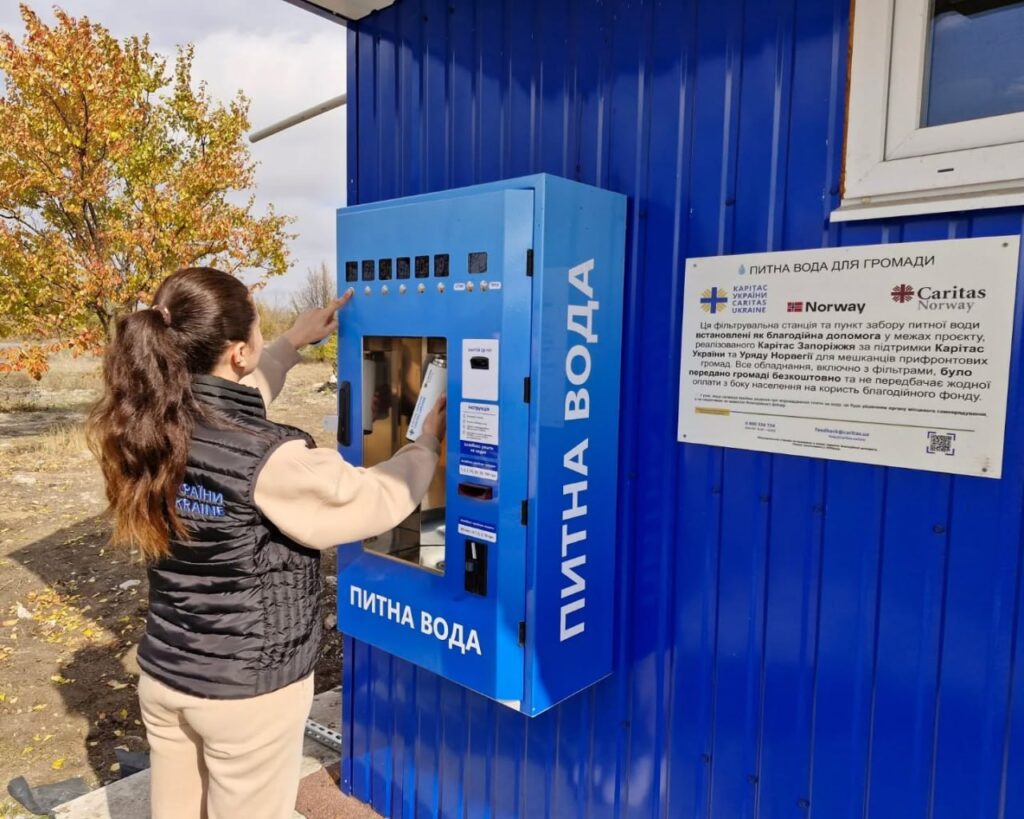
A comprehensive package of support for water supply systems is already under way in the Mykolaiv region. This includes five generators to help keep wells operating during power outages, reverse osmosis systems in four communities, two modular water treatment units, the rehabilitation of three wells, two specialised trailers for emergency repair teams, 640 tonnes of quartz sand for filtration and 40 tonnes of reagents for water treatment and disinfection.
The aim of this integrated approach is to make community water supply systems less vulnerable to emergencies and power outages.
“When we address not just one isolated problem but the system as a whole, water supply in a community becomes more reliable. Even during power outages or emergencies, there is less risk of the entire system coming to a halt. For communities, this means being better able to respond to problems using their own resources, keep local water utilities operating and reduce their dependence on external assistance,” said Ihor Kramarenko, Lead Expert for the complex WASH project.
The two modular water treatment units in Voznesensk alone are designed to serve around 7,000 people.
The true scale of this work is therefore measured in the tens of thousands of people for whom water needs to remain available even during power outages, emergencies and damage to critical infrastructure.
From the well to the tap, Caritas is working across the entire chain on which community water supply depends. In some places, equipment has already been delivered, as in the Tomakivka community; elsewhere, procurement, technical preparation and rehabilitation are still under way. But the result should ultimately be felt in the simplest part of everyday life — people turn on the tap, and the water flows.