The winter holidays were approaching, and the specialists invited everyone to learn a poem for the upcoming celebration.
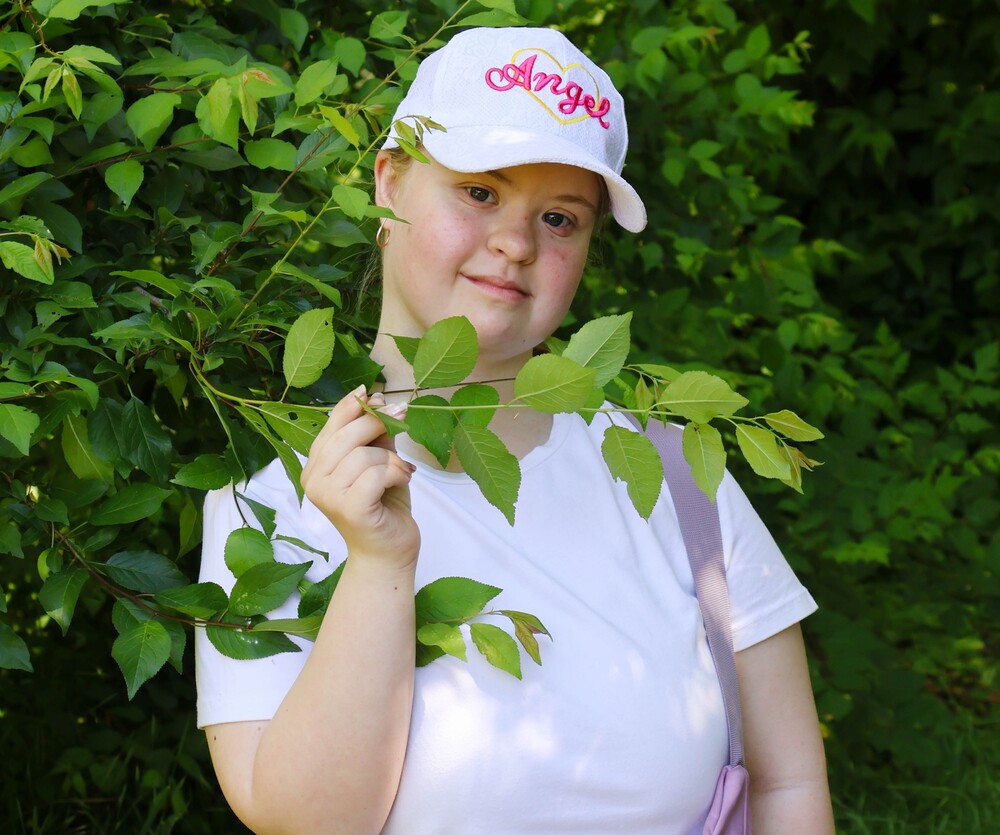
They soon noticed that Nastia found it difficult to memorize things. But things changed when she started learning Christmas songs. Day by day, she sang the lyrics more confidently, danced along and smiled. Eventually, she learned and sang her first song: “The old year is passing, the new one is coming. The new one is coming.”
“This is actually the first piece she has ever learned by heart,” says Nastia’s mother, Oksana, with joy.
Later, the Inclusive Centre began preparing for the spring celebrations.
“We learned vesnianky and songs for Mother’s Day, and Nastia showed that she remembered almost all the songs we had learned,” continues Elina Pluzhnykova, a social worker at Caritas Odesa. “During our activities and movement sessions, we sing, and the girl transforms from someone who is shy into a very confident person.”
Music can be an effective tool for specialists working in Caritas Inclusive Centres. Rhythm, melody and recurring musical patterns can act as “cues” for the brain, creating additional associations for people who experience difficulties with memorisation. This approach is not universal, and its effectiveness always depends on an individual’s characteristics and preferences. But Nastia’s story is an inspiring example of how music can help make something possible that is difficult without it.
Singing has also had an impact on Nastia’s speech. Her breathing has become deeper, and the pace of her speech has become more dynamic. Speech therapist Olena Kabluka explains:
“Combining words with movement is a real challenge for the brain. Together, they work as a powerful mechanism for developing memory, and we practise this mechanism every day. It is through this persistent work that stories like Nastia’s become possible.”
After seeing her progress at the Inclusive Space, Nastia began individual music lessons to develop the talent that the specialists had noticed in her. Today, she continues her music classes, learning how to breathe correctly and memorising short songs. Her pronunciation is steadily improving, and her progress motivates her to keep learning with even greater enthusiasm.
This material has been prepared by Caritas Ukraine within the National PULSE Consortium, coordinated by Right to Protection. UK Government support to this project in Ukraine is provided through the SHARP element of its Humanitarian Assistance, Recovery and Protection Programme. However, the views expressed do not necessarily reflect the UK government`s official policies.
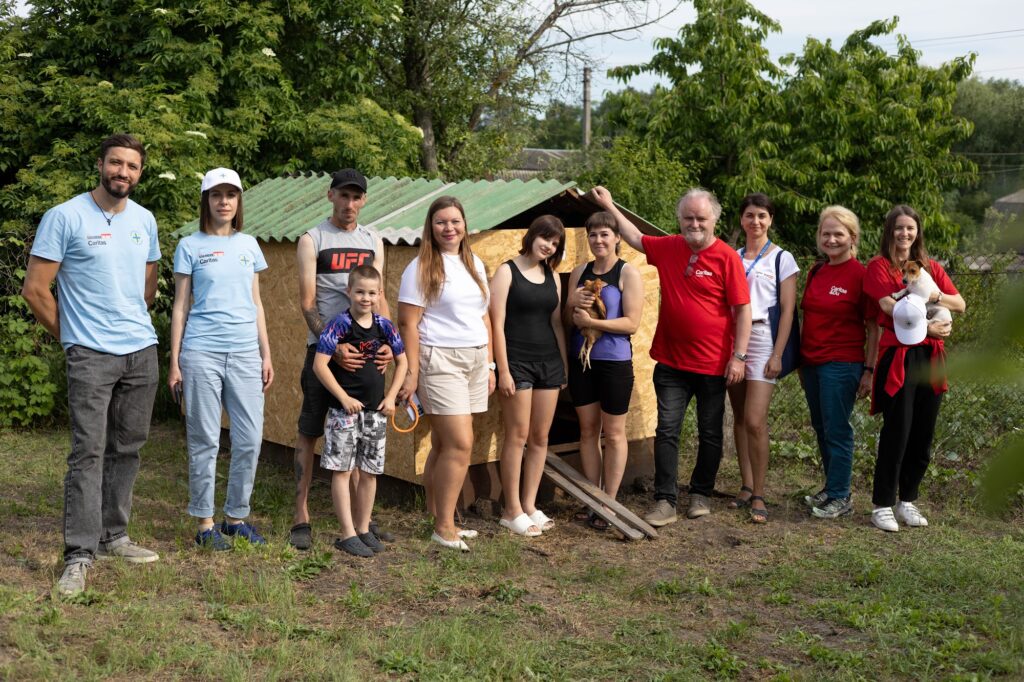
In Poltava region, part of the programme took place at the Caritas Poltava office, while other visits were held directly in communities where families are already developing their farms and businesses with support from the third phase of the AGRIS project, AGRIS3.
The first part of the visit focused on families that had received business grants to develop their livelihoods. These grants, worth up to UAH 185,000, were provided to help people start, restore or expand agricultural businesses.
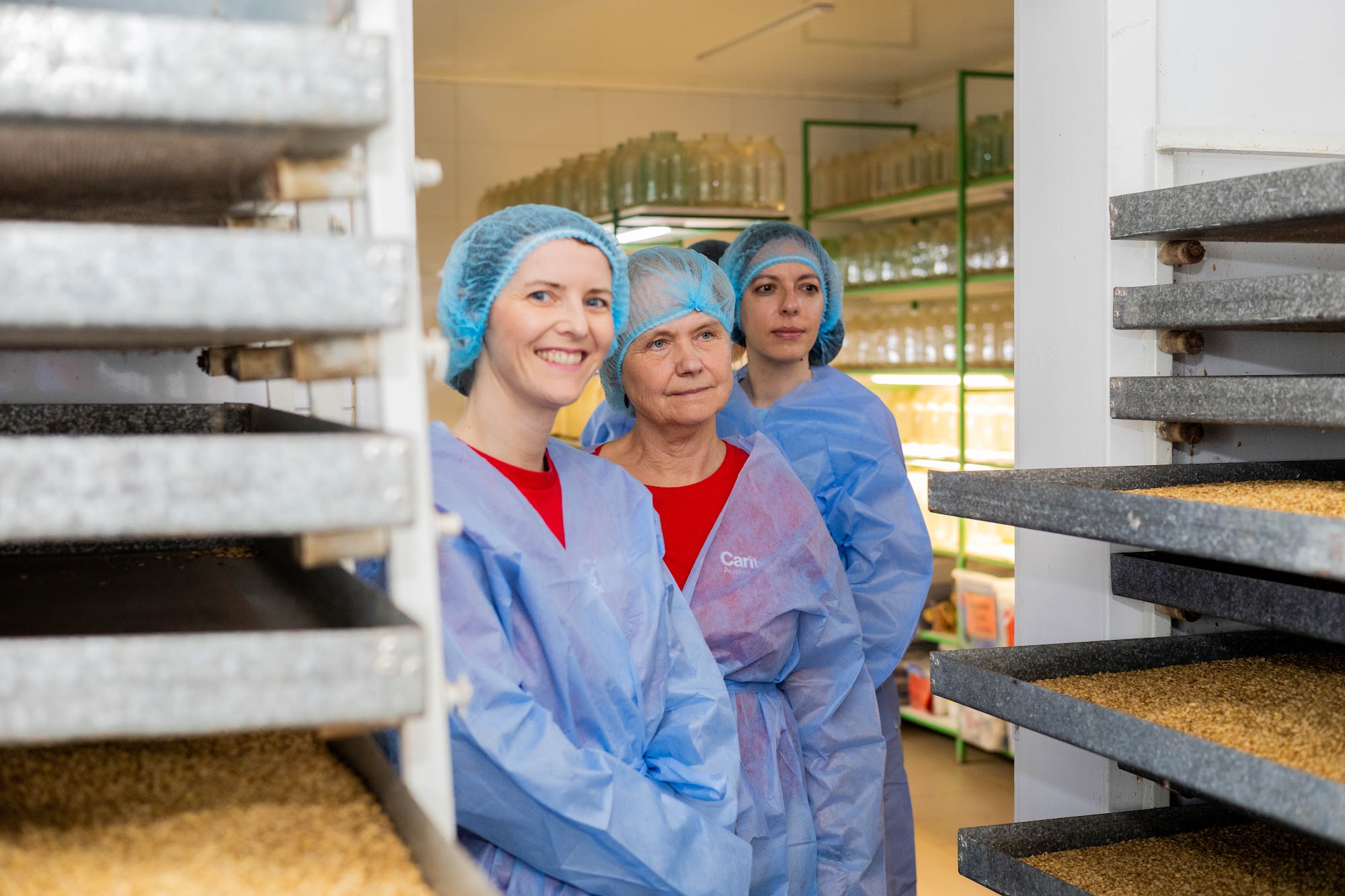
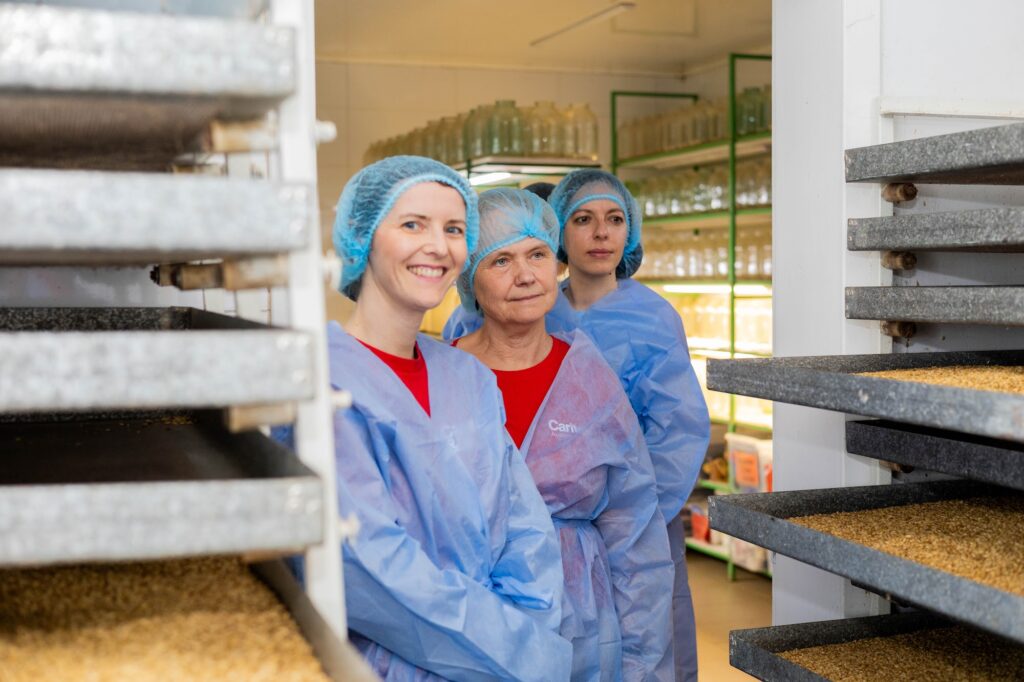
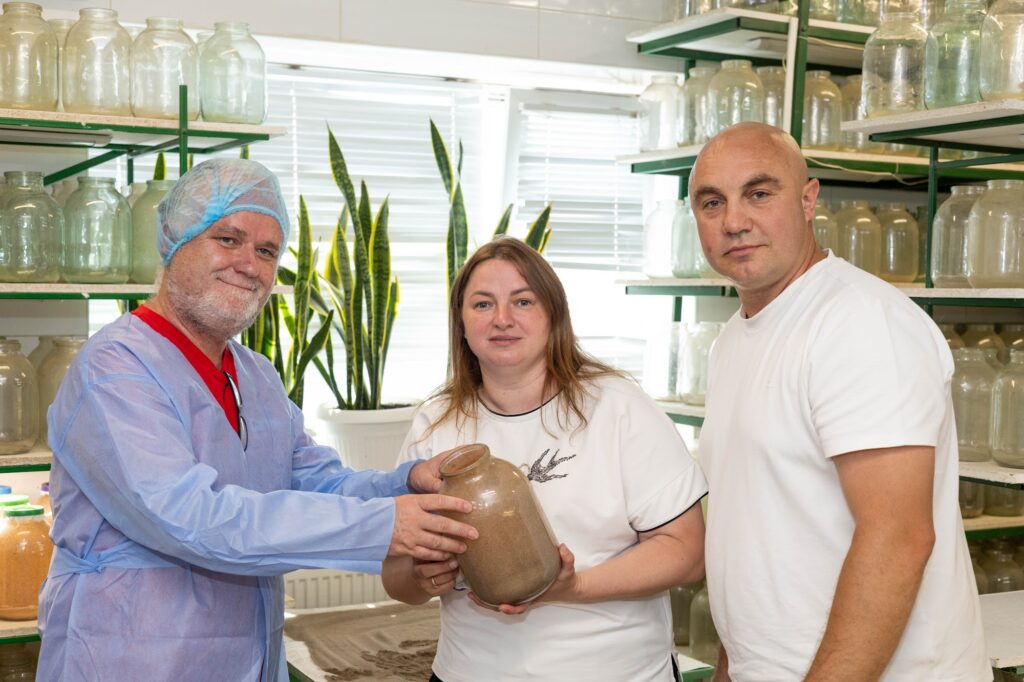
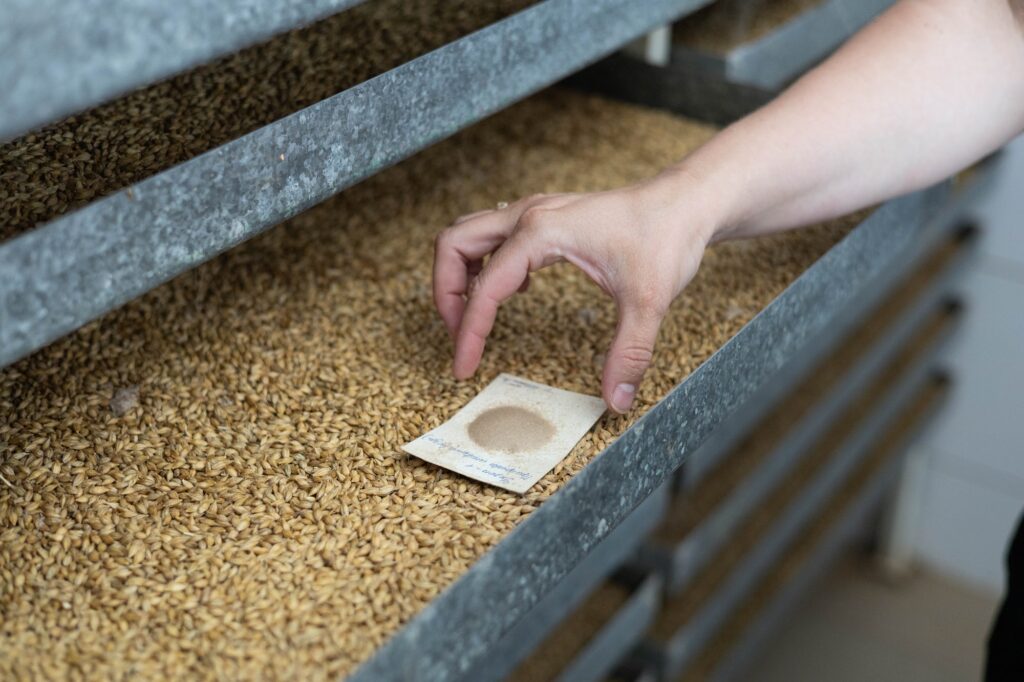
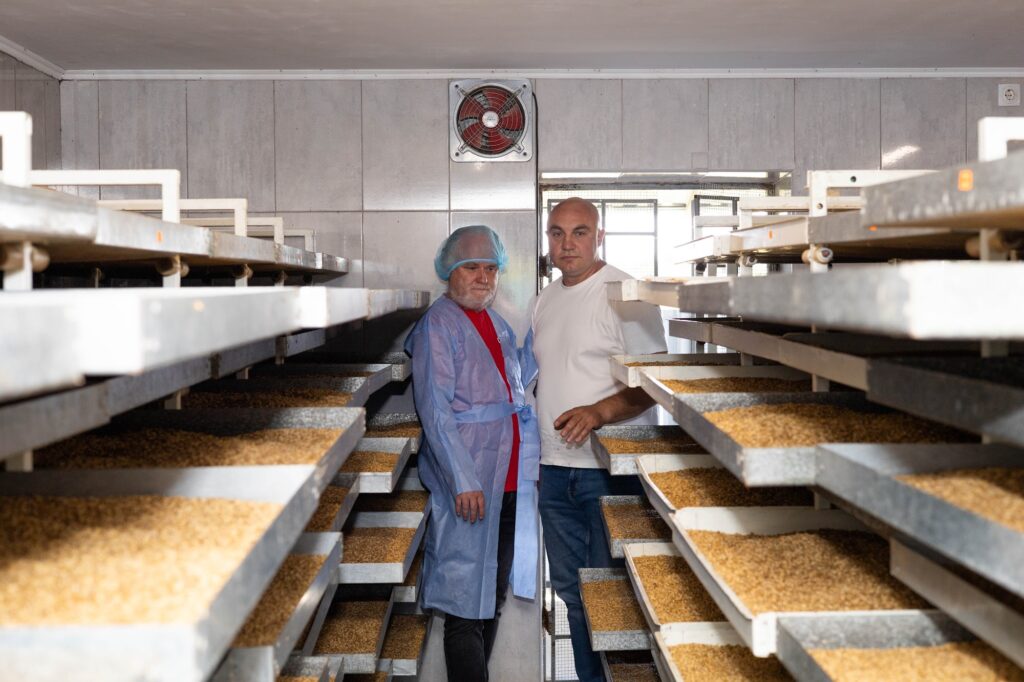
Among the grant recipients was the Heroim family, who run a business in a field unfamiliar to most people: breeding Trichogramma, a tiny beneficial insect used as a natural biological crop protection agent against agricultural pests. Through AGRIS3, the family invested grant funding in the development of their business, BioBalance, enabling them to strengthen production capacity and create better conditions for future growth.
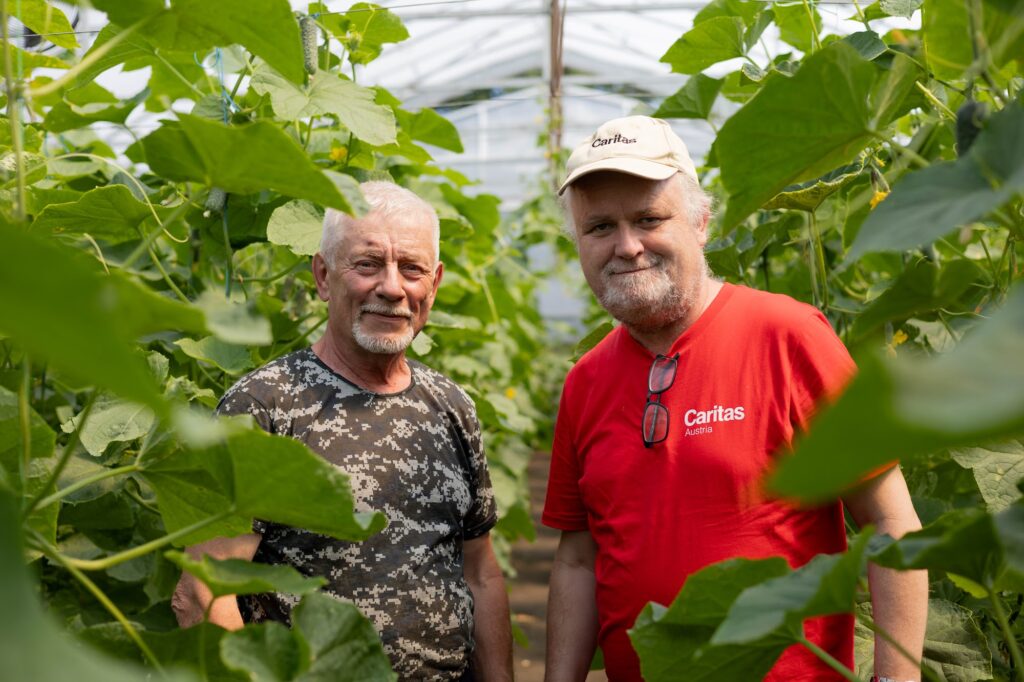
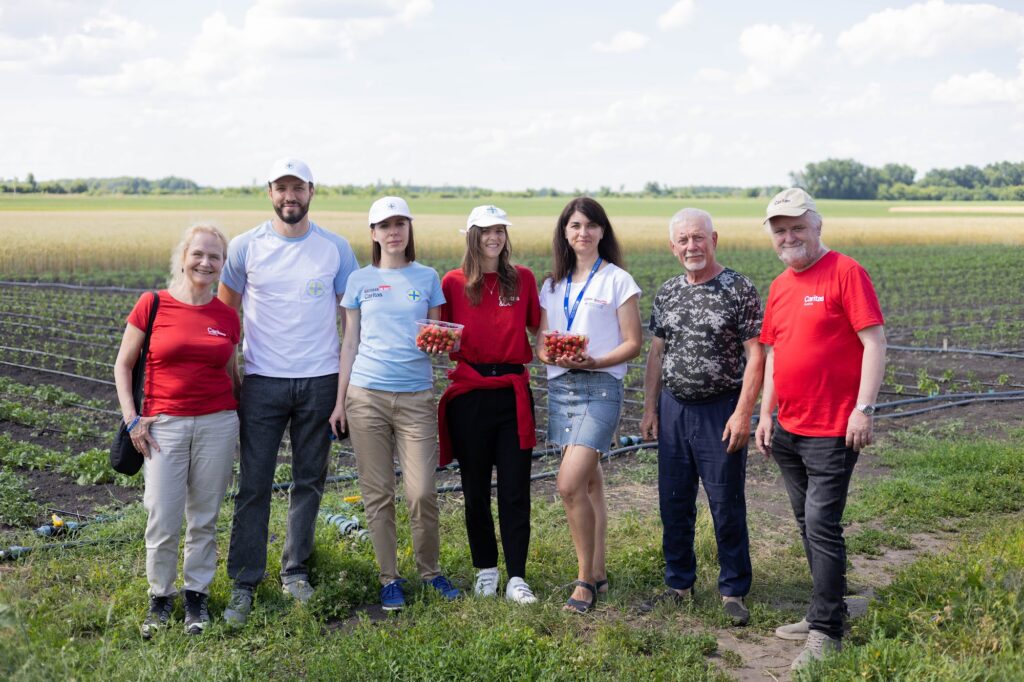
The partners also visited Yurii Kushnir, founder of the family farm “Strawberry Paradise”. According to Yurii, support provided through the project accelerated the farm’s development. Today, the business continues to grow year by year, supplying local communities and residents of Poltava with fresh produce.
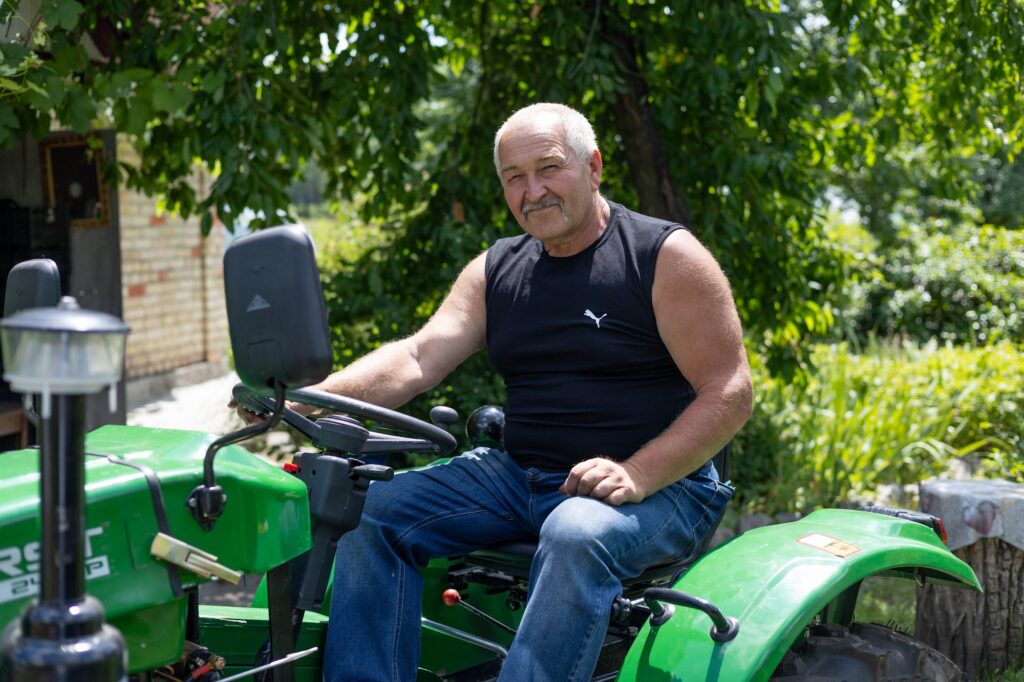
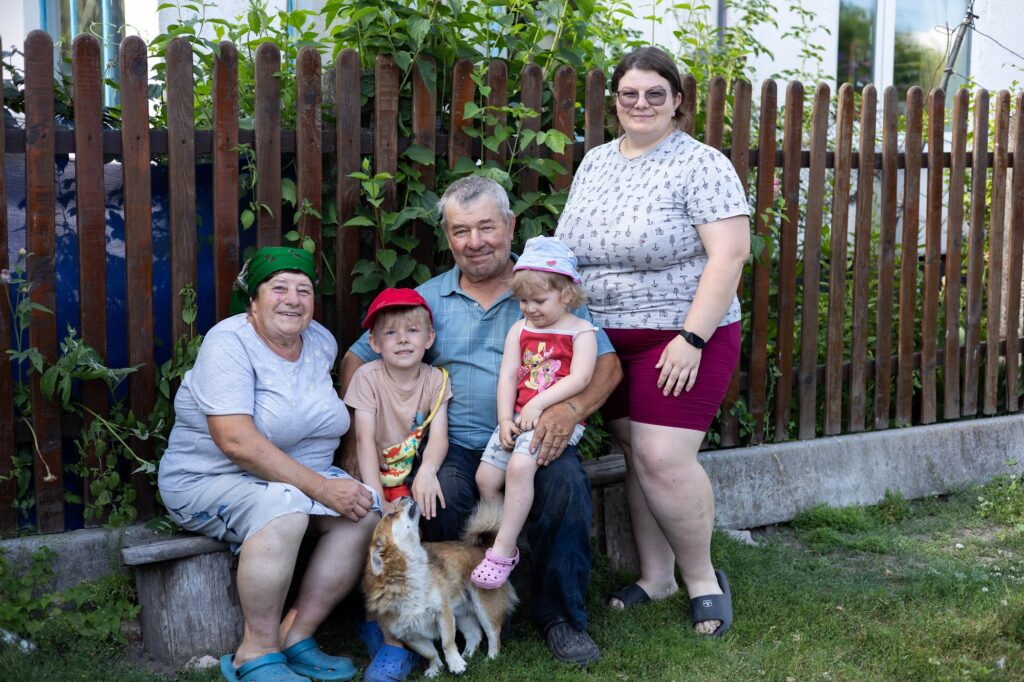
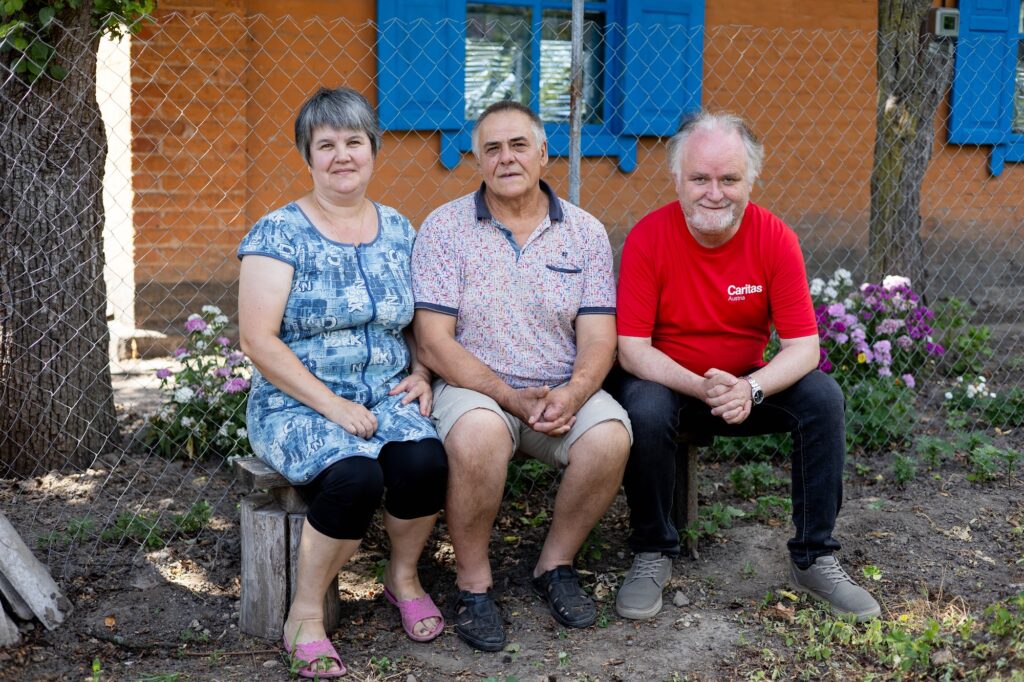
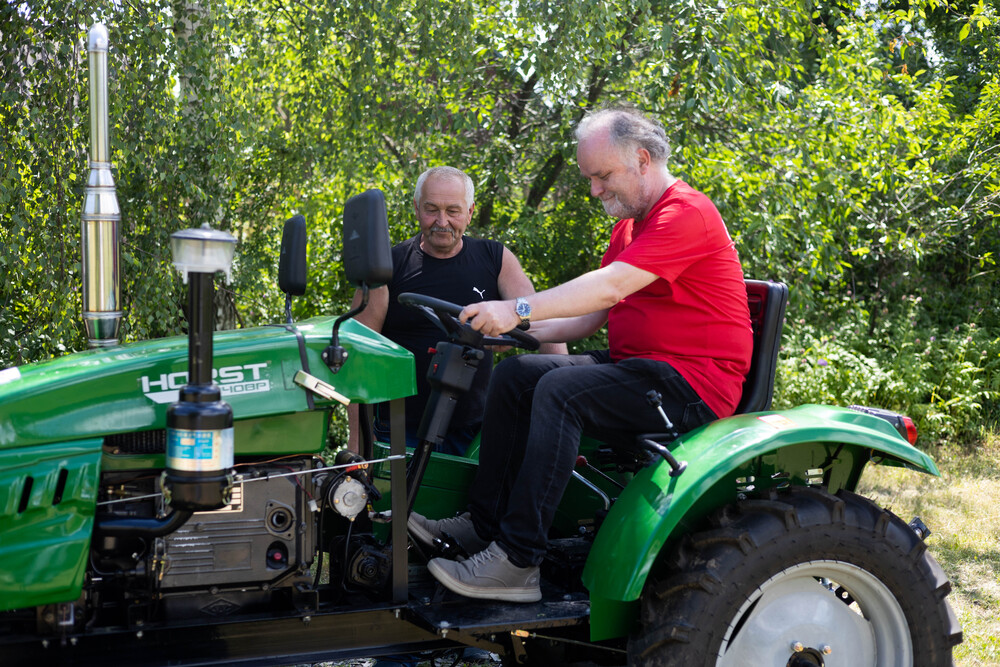
Valentyna Shaforostova and her husband relocated to Poltava region from Soledar. Back home, both had spent their entire working lives employed by an agricultural enterprise. After settling in a private home in their new community, they decided to return to the work they knew best: farming.
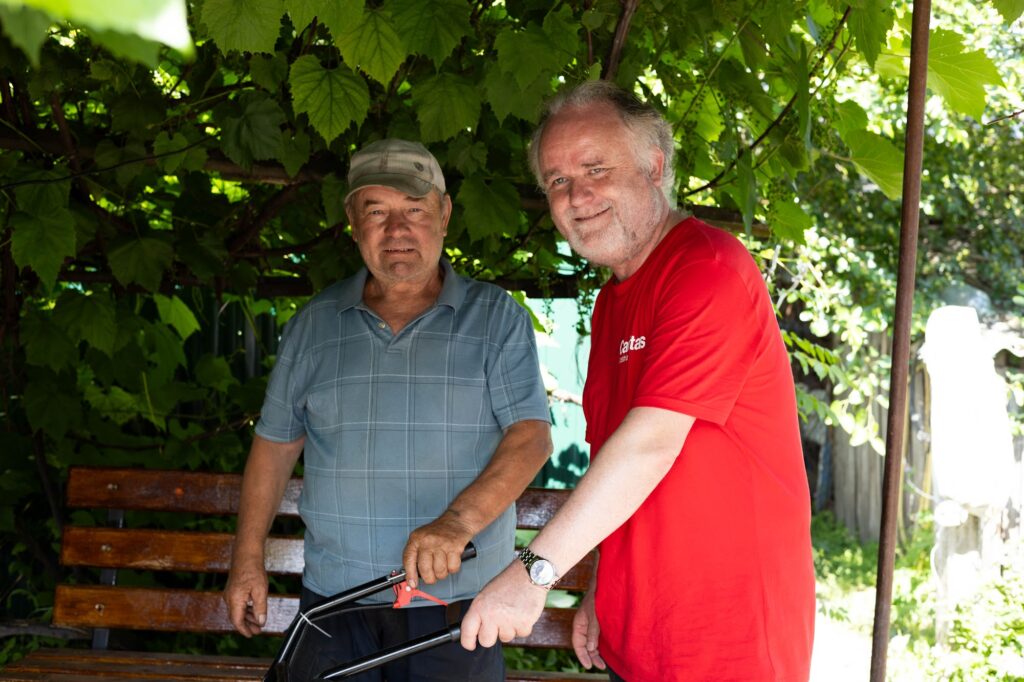
To develop their household enterprise, the family needed a tractor and additional agricultural equipment. Thanks to support from Austrian partners, they were able to purchase both. They now plan to expand the area under potato cultivation and gradually grow their farming business.
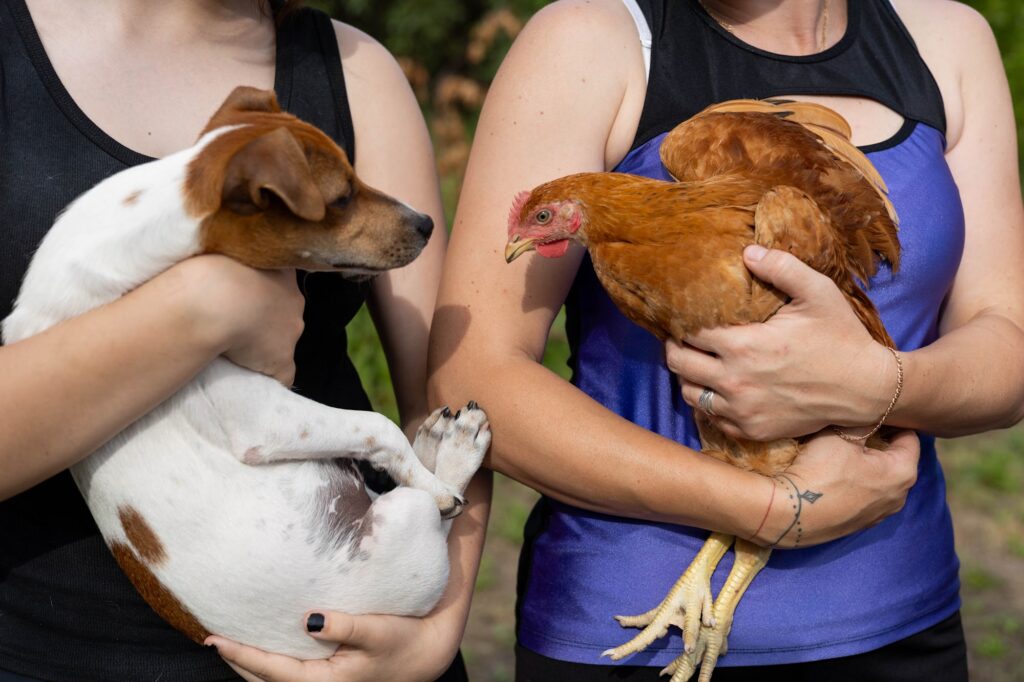
During the visit, the partners also met recipients of microgrants. Among them were families forced to flee their homes because of the war and rebuild their lives elsewhere. With project support, they purchased tractors, cultivators and other farming equipment, established small-scale agricultural activities, and began growing vegetables and raising poultry. For many, their household farms have become not only a source of food for their families but also a first step towards restoring their livelihoods and achieving greater financial independence.
Nadiia, together with her husband and children, left Sumy region when shelling became too frequent. The family found refuge in her parents’ house in Poltava region, small but a place they could call their own.
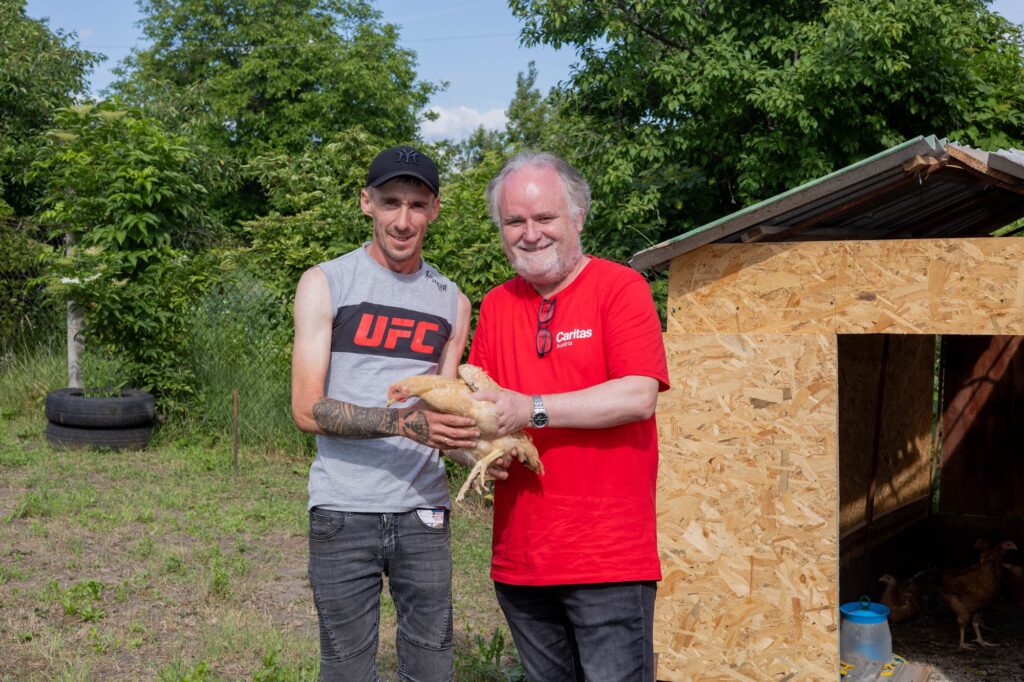
After receiving a microgrant through AGRIS3, the family planted a vegetable garden and purchased a cultivator, chicks and animal feed. Employment opportunities in the village are scarce, so farming has become a way for them to provide food for their family and gradually rebuild their lives in a new place.
Svitlana moved to Poltava region from Toretsk with her children. Later, her husband joined the family after being demobilised from military service. He had defended Ukraine since 2014 and was discharged on medical grounds following severe injuries.
Using grant funding, the family set up a small poultry facility and purchased chicks. Today, they run their own household farm and provide their family with fresh poultry meat.
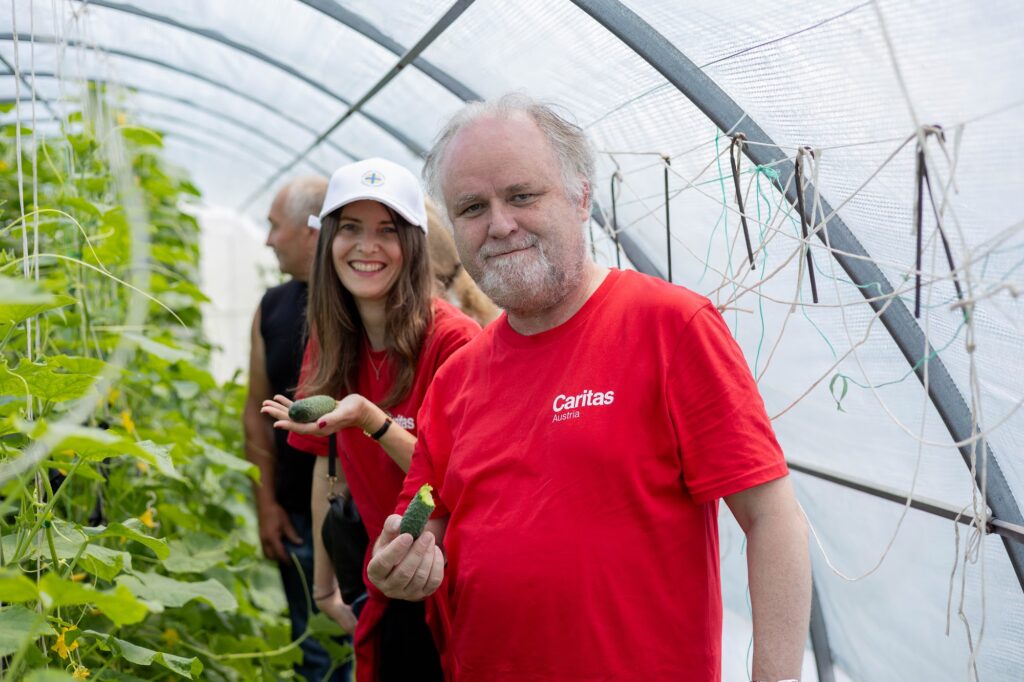
Following his two-week visit to Ukraine, Andreas Knapp, Secretary General for International Programmes at Caritas Austria, spoke with Austrian broadcaster ORF about what he had witnessed in Ukraine and the support being provided to people affected by the war.
ORF interviewer: You mentioned support for children as well as agricultural projects such as AGRIS3, which essentially help people help themselves. Why is this so important? Is the food situation in Ukraine really that difficult?
Andreas Knapp: Food is available. The main challenge is that many people have lost their income, their property and everything they owned. They have been forced to rebuild their lives from scratch. That is why projects that create sources of income are critically important.
We are grateful to our partners for this visit and for their many years of support for people in Ukraine.
The AGRIS3 project, “Sustainable Agricultural Development and Strengthening Rural Livelihoods for Vulnerable Households in Rural Areas,” is implemented by Caritas Poltava in partnership with Caritas Ukraine, with financial support from Caritas Austria and the NACHBAR IN NOT Foundation.
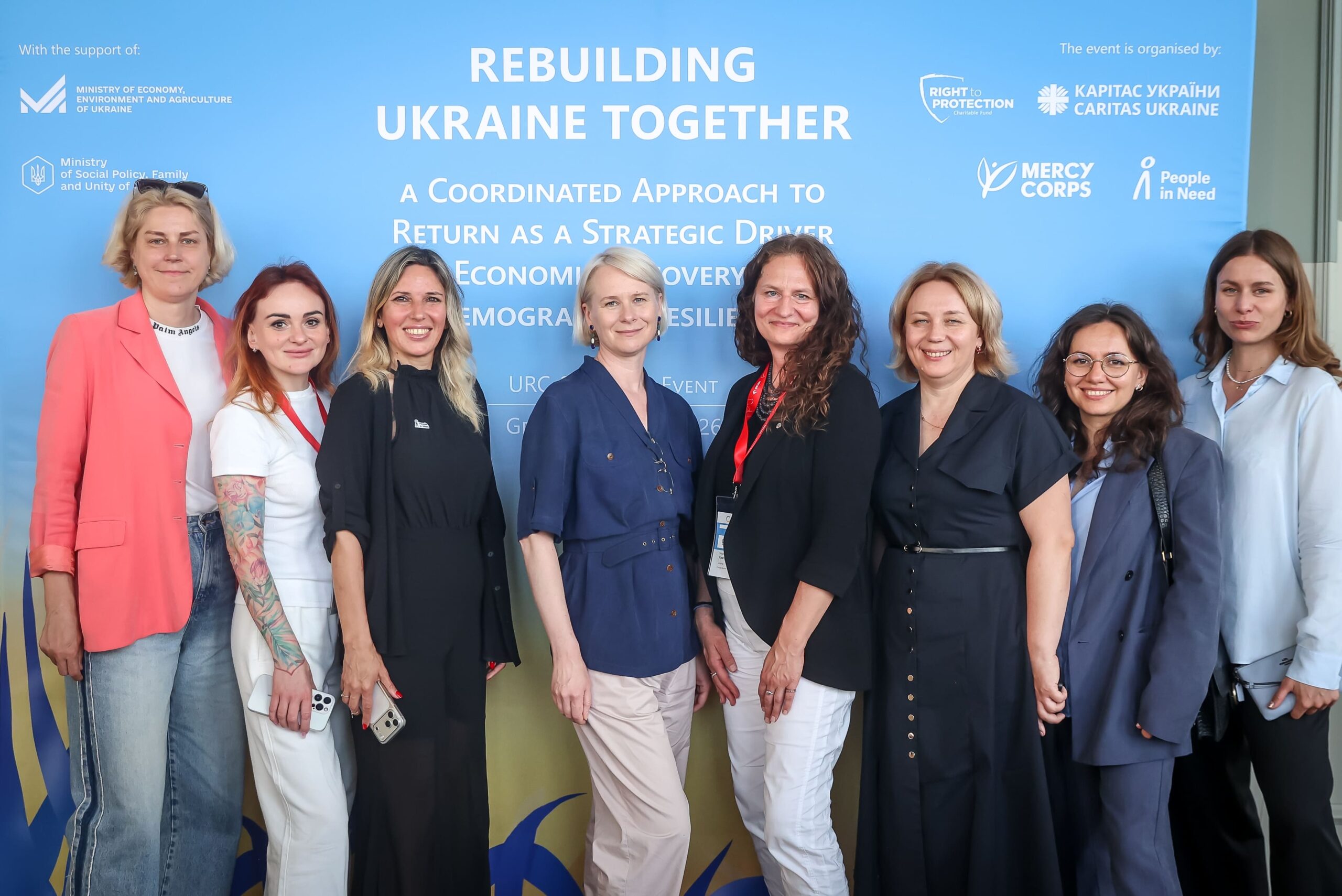
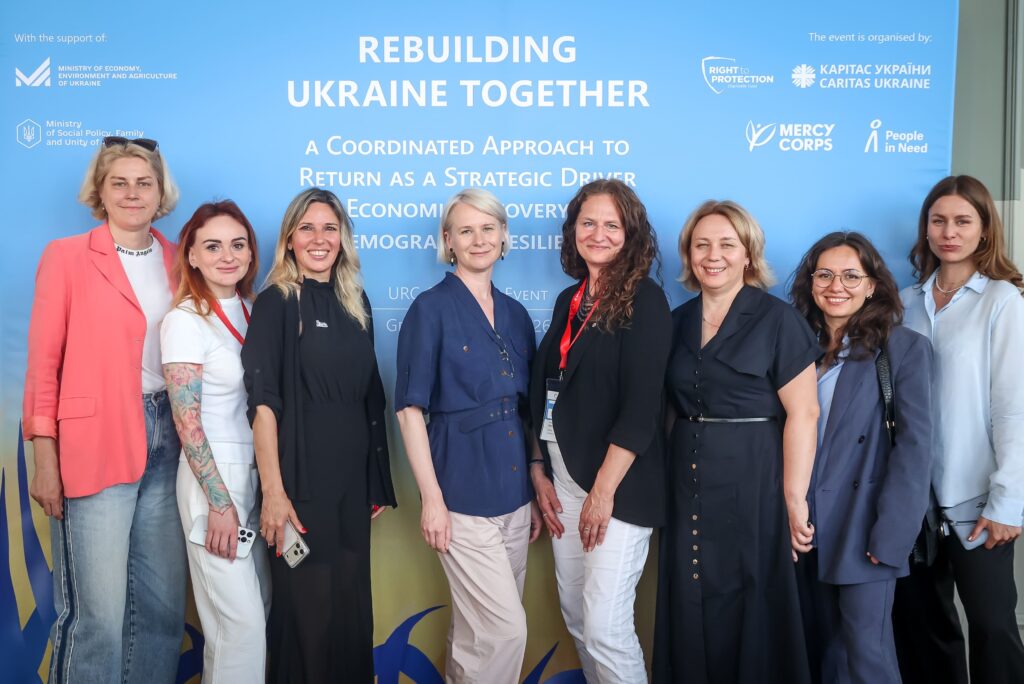
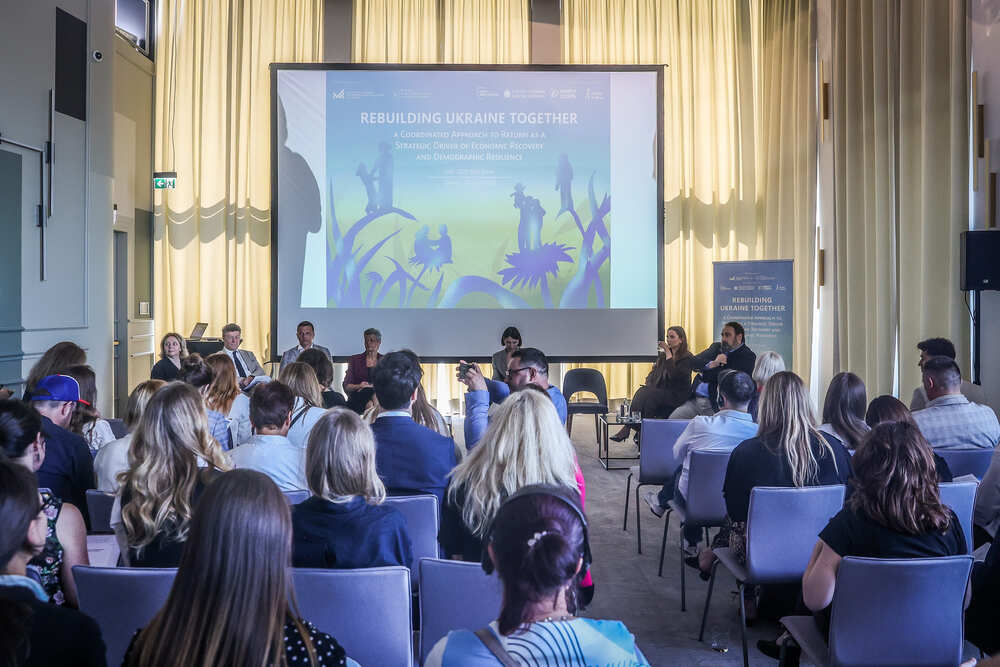
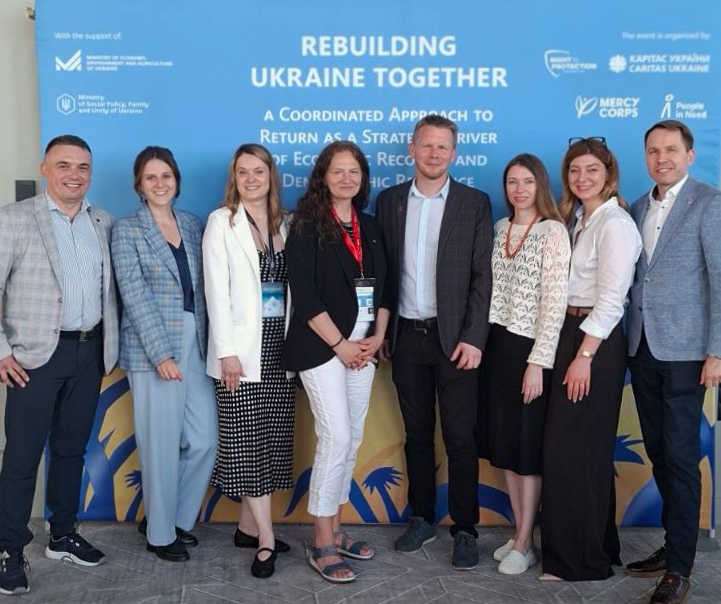
Caritas Ukraine co-organized the event together with the Right to Protection Charitable Foundation, Mercy Corps, and People in Need, with the support of the Ministry of Economy, Environment and Agriculture of Ukraine and the Ministry of Social Policy, Family and Unity of Ukraine.
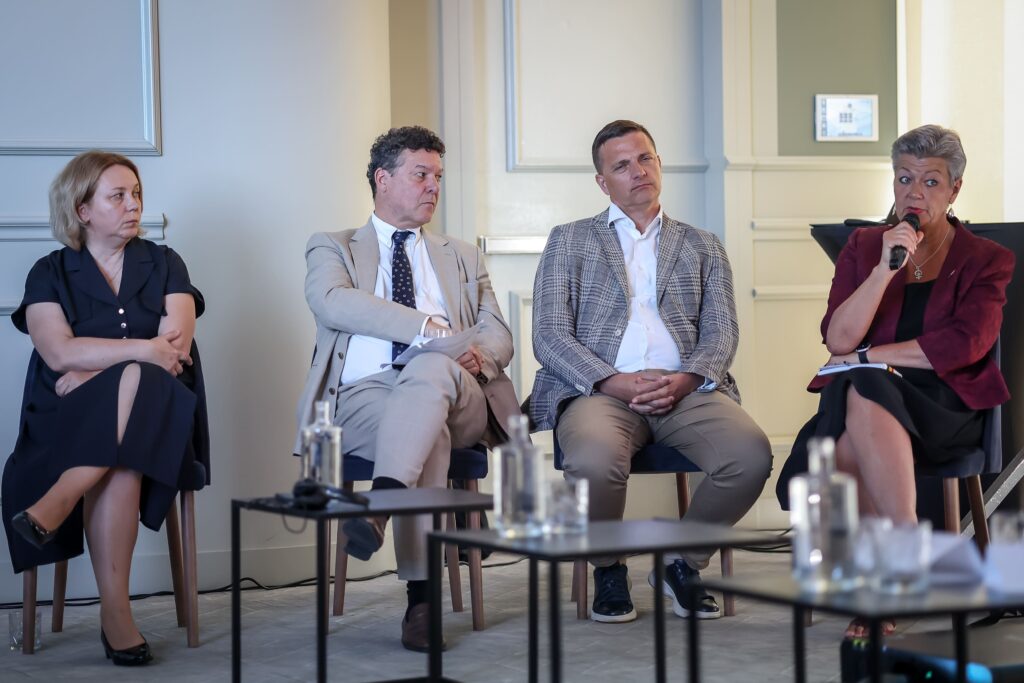
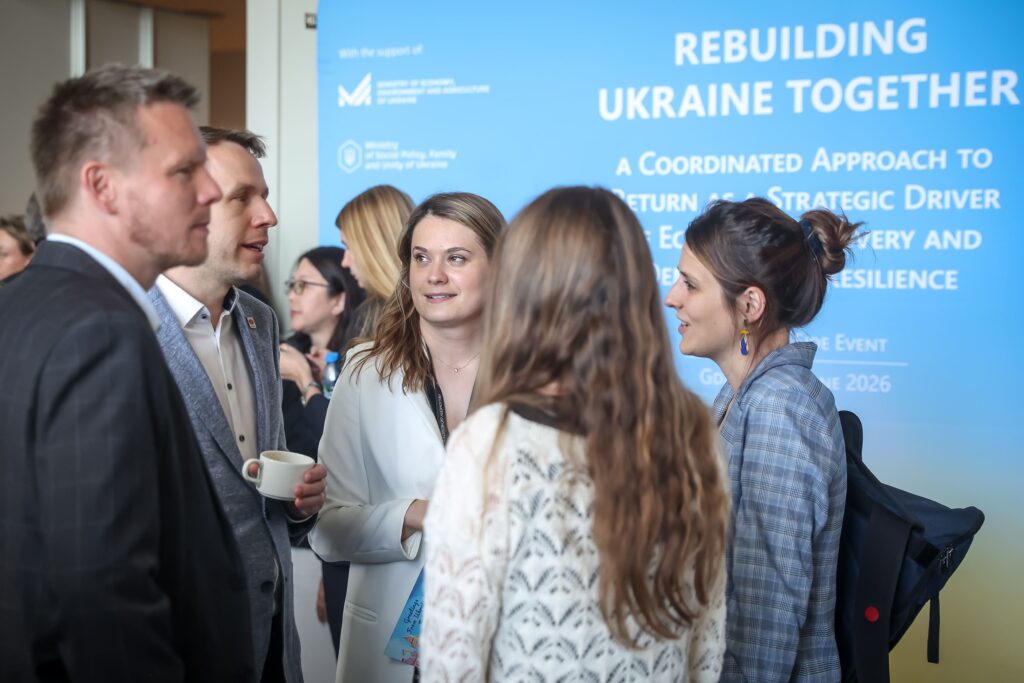
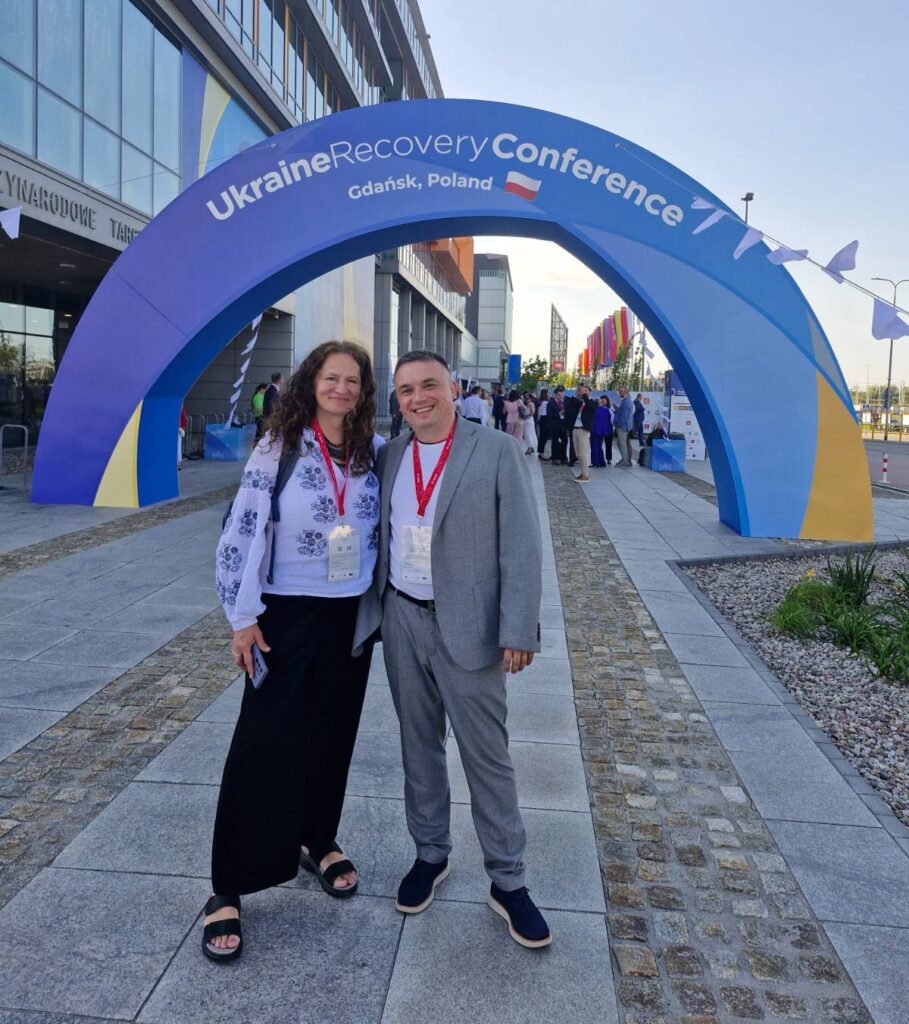
The event brought together representatives of the Government of Ukraine, the European Union, EU Member States, international organizations, local authorities, civil society, academia, and the private sector. Participants discussed how to develop a coordinated approach to supporting Ukrainian citizens at every stage of the journey—from making the decision to return to successful reintegration into their communities.
At the heart of the discussion was a fundamental question: what truly determines people’s decision to return to Ukraine? People do not simply return to a country—they return to a place where they can access housing, employment, education for their children, essential services, opportunities to join a community, and confidence in their future.
The discussion was moderated by Yevhen Hlibovytskyi, Director of the Frontier Institute.
Speakers included Nadiia Kovalchuk, Programme Director at the Right to Protection Charitable Foundation; Dariia Marchak, Deputy Minister of Economy, Environment and Agriculture of Ukraine; Ilona Havronska, Deputy Minister of Social Policy, Family and Unity of Ukraine; Ylva Johansson, EU Special Envoy for Ukrainians; Philippe Leclerc, Director of the Regional Bureau for Europe at UNHCR; Dennis Bazilevych, Director of Government Relations at Nova Post Global; and Sofiia Kochmar, Head of Demographic Projects at the Frontier Institute.
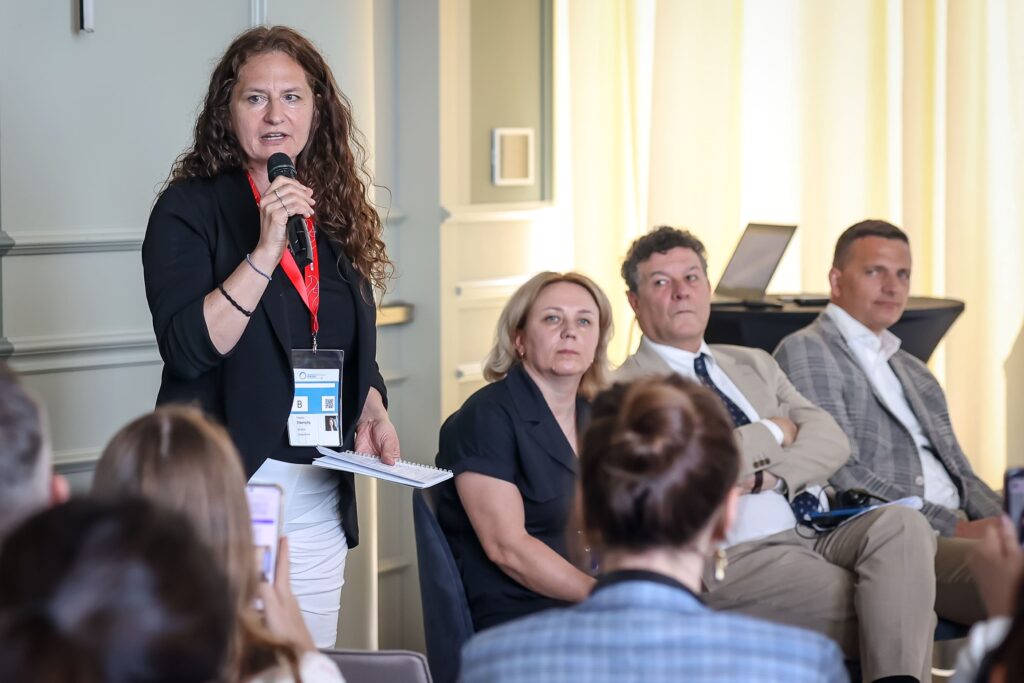
Caritas Ukraine was represented by Tetiana Stawnychy, President of Caritas Ukraine; Iryna Maievska, Head of the Safe Migration and Counter-Trafficking Program; Vasyl Mikula, Head of the Livelihoods Program; and Iryna Noha, Head of the Housing Program.
During the discussion, Tetiana Stawnychy emphasized that this issue did not begin in 2022 for Ukraine. Long before the full-scale invasion, Ukrainians had extensive experience of labor migration, while civil society organizations were already supporting people returning from abroad and facilitating their reintegration.
«Caritas is a network of organizations deeply rooted in local communities while also being part of a global confederation. We have been working on the return and reintegration of labor migrants since 2005. That represents twenty years of valuable experience, which should also be taken into account when discussing the return of Ukrainians today.
Since 2022, many of our partners abroad have also been supporting Ukrainians in different countries. As we build a comprehensive reintegration system, it is essential not to lose the expertise already developed by organizations working on the ground. They should become an integral part of a broader ecosystem, connected with Unity Hubs and other Ukrainian initiatives abroad,» said Tetiana Stawnychy.
Iryna Maievska highlighted the strength of the Caritas network and the importance of providing comprehensive support to people wishing to return home.
«At this event, Caritas was represented by colleagues from several national organizations—Ukraine, Poland, Belgium, and Germany. Our network is one of our greatest strengths, and we continue to reinforce it to ensure support reaches everyone who needs it. In the context of return and reintegration, we are building partnerships and coordinated systems at different levels so that assistance is timely, comprehensive, and accessible.
The relevance of this work is reflected in the growing number of requests we receive from people seeking support to return home. None of these requests will be left unanswered, because every Ukrainian matters,» said Iryna Maievska.
Another key focus of the discussion was Ukraine’s demographic situation and the conditions required to make return sustainable. Iryna Noha stressed that housing must become an integral part of reintegration and community recovery policies.
«The Frontier Institute’s research, Who Will Come Back? Ukraine’s Demographic Frame for Return Policy, presented during the discussion, shows that around 29 million people currently live in Ukraine, while more than 4.37 million Ukrainians remain under temporary protection in EU countries, and over 4 million continue to live in temporarily occupied territories.
At the same time, only 43% of Ukrainians abroad are currently considering returning, while 36% do not plan to return for the time being. This demonstrates that return will not happen automatically once the war ends. People make decisions when they clearly understand the conditions they will return to: security, access to housing, quality public services, and prospects for their children.
That is why sustainable housing solutions must become a core component of Ukraine’s reintegration policy and community recovery efforts. By investing in housing, we invest not only in reconstruction but also in preserving and bringing people back to their communities,» said Iryna Noha, Head of the Housing Programme at Caritas Ukraine.
The return of Ukrainians is also directly linked to the country’s economic recovery. It is not only about people’s willingness to come back, but also about ensuring real opportunities for employment, entrepreneurship, and long-term development.
«People’s decision to build their lives in Ukraine depends not only on their desire to return but also on the opportunities available to them here. People return to places where they have access to housing—or the possibility to rent it—as well as employment, education, healthcare, grant opportunities, and transparent conditions for starting and running a business.
Our task is to continue creating more opportunities for people to build dignified and prosperous lives at home. That is why the Livelihoods Program supports people through vocational training, new professional skills, grant assistance, and mentoring. We will continue working with our partners and joining efforts to support those who need it most in restoring their economic self-reliance,» said Vasyl Mikula, Head of the Livelihoods Program at Caritas Ukraine.
For Caritas Ukraine, this discussion has a strong practical dimension. The organization accompanies people throughout different stages of their journey—from crisis to stabilization, from temporary shelter to durable housing solutions, from unemployment to restored livelihoods, and from isolation to active participation in community life.
We extend our sincere thanks to our partners and all participants for this meaningful discussion. Ukraine’s recovery is impossible without its people. Our shared responsibility is therefore to build systems that enable people to return, reintegrate, work, create, and live with dignity.