
For some Ukrainian families, preparing for winter begins with buying firewood. For others, it means replacing old windows. And for those who grow vegetables or raise poultry and livestock, it also means taking care of the household farm that helps provide food for the family.
Through the Multi-Sectoral Assistance to People Affected by the War in Ukraine project, Caritas Ukraine helps families and communities prepare for the cold season. Winter assistance combines cash payments, home insulation and upgrades, grants for small rural households, and support for social institutions.
Heating Assistance: Families Decide What They Need Most
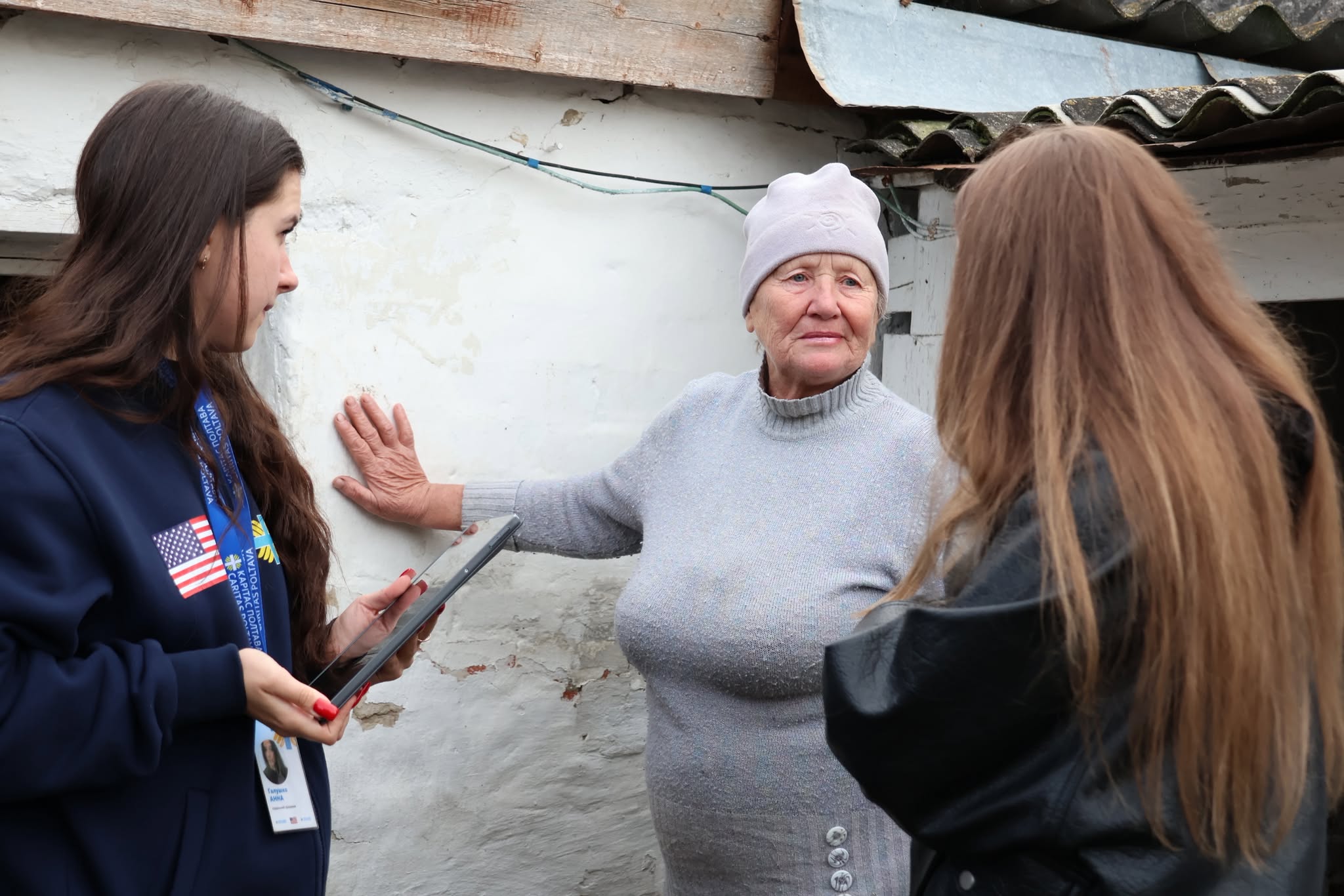
Ms. Aliona lives with her six children in the village of Kudashivka, Dnipropetrovsk Oblast. Four years ago, the family was forced to leave Toretsk in Donetsk Oblast. Their current home retains heat poorly: cold air comes through the windows, and the stove does not work. As a result, they have to rely on gas heating during winter.
“The lowest monthly bill I had was UAH 3,200, and over the entire heating season it comes to around UAH 30,000. And that’s with six young children in the house,” she said while registering for winter assistance through Caritas Kamianske.
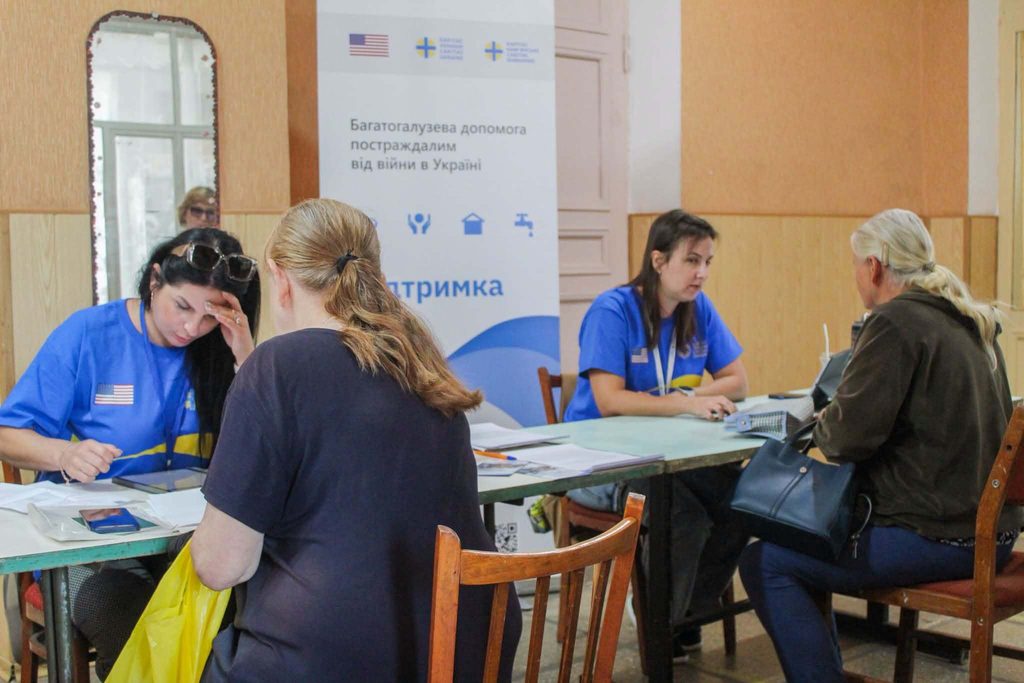
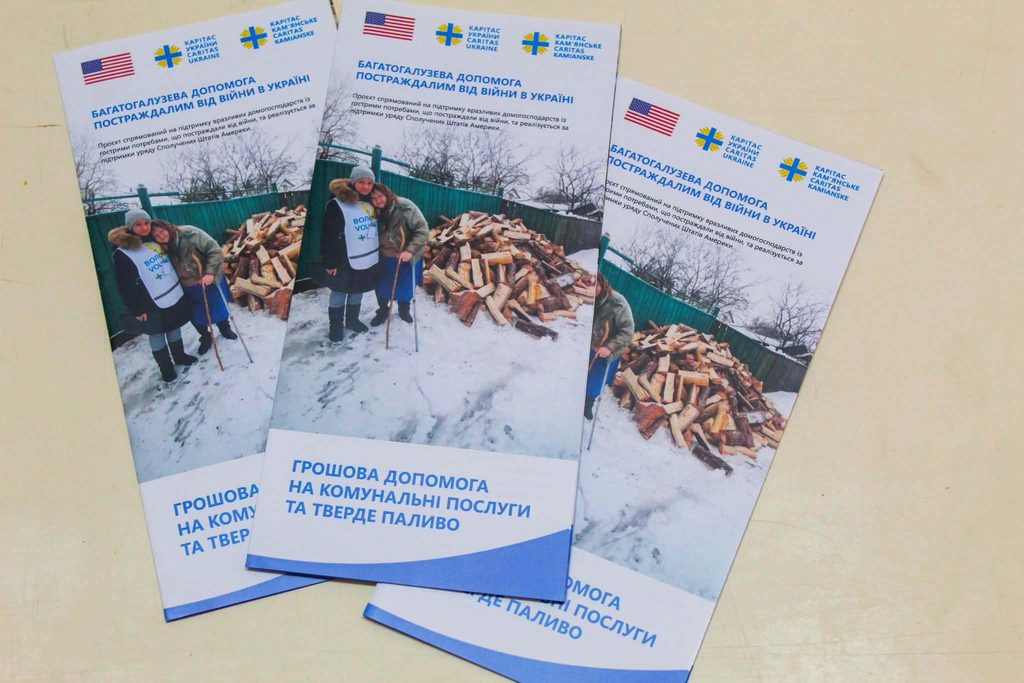
Under the project, families affected by the war who meet the established vulnerability criteria can receive UAH 19,400 per household. The money can be used to pay utility bills or purchase solid fuel, depending on how the home is heated and what the family needs most.
The assistance primarily targets families who struggle to cover heating costs on their own, including large families, single parents, people with disabilities or serious medical conditions, and older people living alone. Specific eligibility requirements depend on the type of assistance and the area where the program operates.
Winter cash assistance is provided in seven regions of Ukraine: Poltava, Zaporizhzhia, Mykolaiv, Kharkiv, Chernihiv, Dnipropetrovsk, and Sumy oblasts.
Payments can be made directly to a bank account, delivered to the recipient’s address by Ukrposhta (Ukraine’s national postal operator), or collected through a permanent or mobile post office. The process from registration to payment usually takes around two weeks.
An important feature of this assistance is that families can decide for themselves how best to use the money.
“We give families as much flexibility as possible. Someone might buy firewood and, for example, a saw to cut wood from trees on their own property. People themselves know best what they need to get through the winter,” says Yevheniia Pushkinska, Housing Expert at Caritas Ukraine.
As of November 15, 6,019 households had received winter cash assistance, out of a planned 7,951.
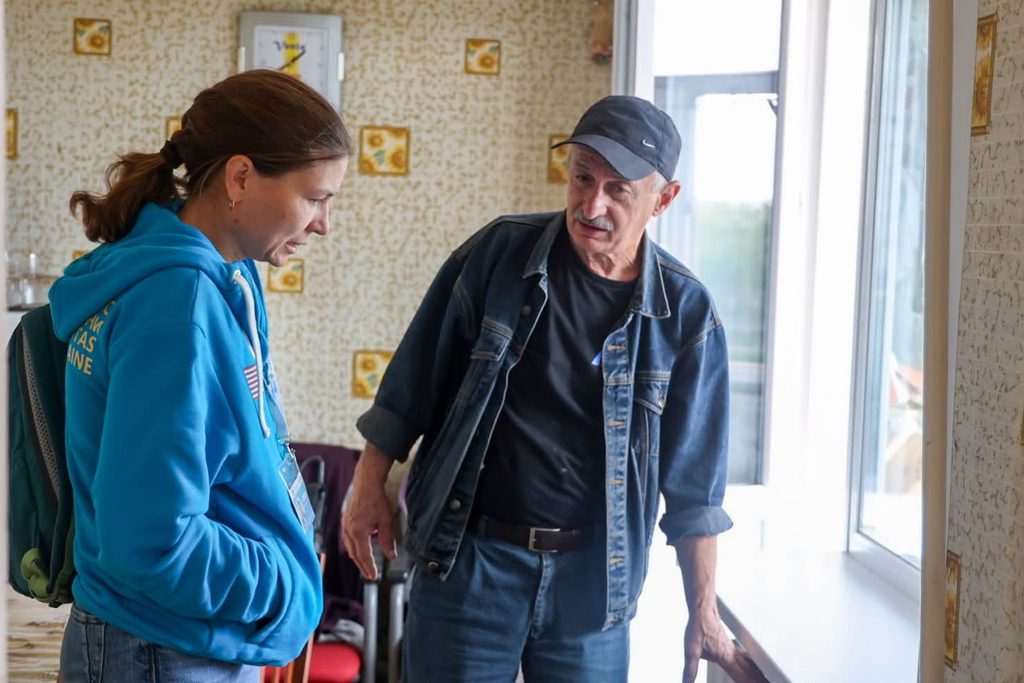
Home Insulation: Keeping the Warmth Inside
Ms. Olena fled Miluvatka in Luhansk Oblast with her three children and now rents a house in Kryvyi Rih. The old wooden windows failed to keep the heat in, while the electrical wiring was unsafe. With support from Caritas Kryvyi Rih, all the windows and electrical wiring in the house were replaced.
Ms. Halyna, originally from Osokorivka in Kherson Oblast, also rents a home in Kryvyi Rih. Her home received new windows and an entrance door.
As part of its winter assistance, Caritas Ukraine provides home insulation and repairs for internally displaced families who meet specific vulnerability criteria.
This assistance is not intended to repair homes damaged by the war. Instead, it focuses on improving living conditions in homes where displaced families have settled after leaving their original communities.
Priority is given to families who have purchased their own homes, as these are often inexpensive houses or apartments in poor condition. However, the program also covers rented accommodation. In such cases, the property owner must agree to allow the family to live there rent-free for at least 12 months.
All work under this component is carried out by contractors engaged by Caritas Ukraine. This may include replacing windows and doors, insulating roofs or floors, and, where necessary, making accessibility improvements such as installing handrails, adapting bathrooms, or widening doorways for people with disabilities.
Home insulation activities are implemented by six local Caritas organizations: Caritas Mykolaiv, Caritas Kamianske, Caritas Poltava, Caritas Sumy, Caritas Kryvyi Rih, and Caritas Kharkiv.
Repair work is currently underway in 245 households, while another 267 have completed verification and are awaiting the start of work
Winter Agricultural Grants: Protecting Harvests and Livelihoods
Preparing for winter is not limited to insulating homes. For many families living in rural areas, it is equally important to repair outbuildings, prepare shelters for poultry and livestock, or create suitable spaces to store harvested crops.
Ms. Tetiana and her husband fled an occupied settlement near Kupiansk in Kharkiv Oblast. In their new home, they grow vegetables for their own consumption and preserve food for winter. However, the cellar where they store their harvest needs repairs: water seeps inside through damaged structures, and the roof needs reinforcement.
Thanks to a winter agricultural grant from Caritas, the couple plans to repair and insulate the cellar to create suitable conditions for storing vegetables and homemade preserves.
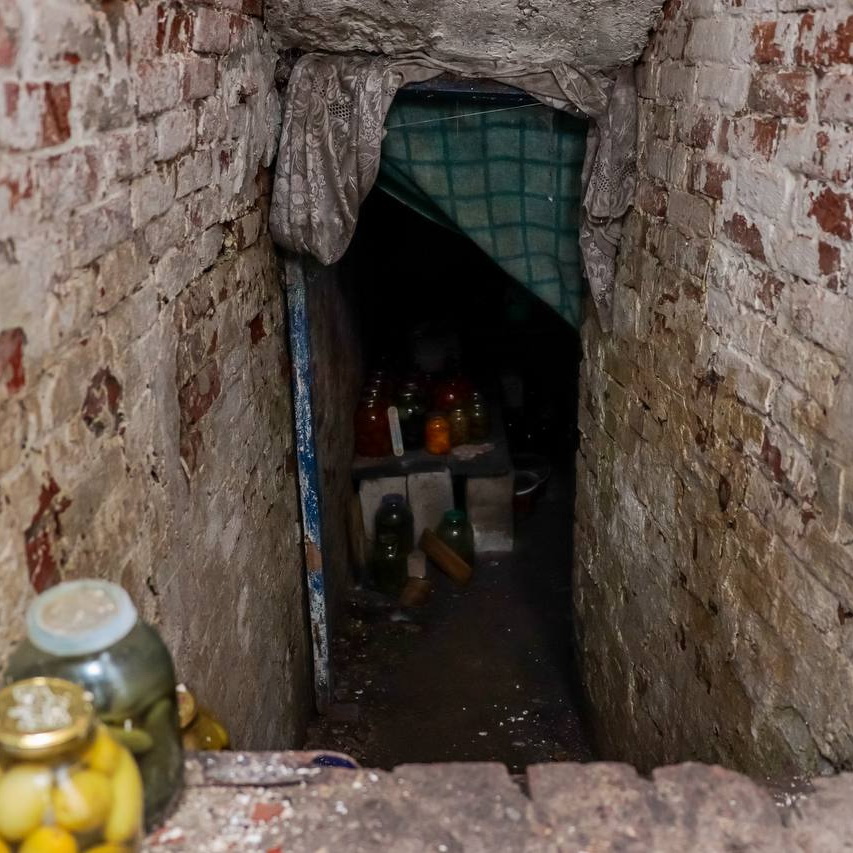
Ms. Tetiana plans to use a Caritas agricultural grant to insulate her cellar.
Ms. Mariia, from the village of Bereznehuvate in Mykolaiv Oblast, keeps around 50 chickens and 30 Muscovy-mallard hybrid ducks. To prepare her household farm for the cold season, she plans to improve the shelter for her poultry.
“I want to build a proper shed, buy insulation and boards, concrete the floor, and prepare the walls so the chickens will be warm in winter,” Ms. Mariia explains.
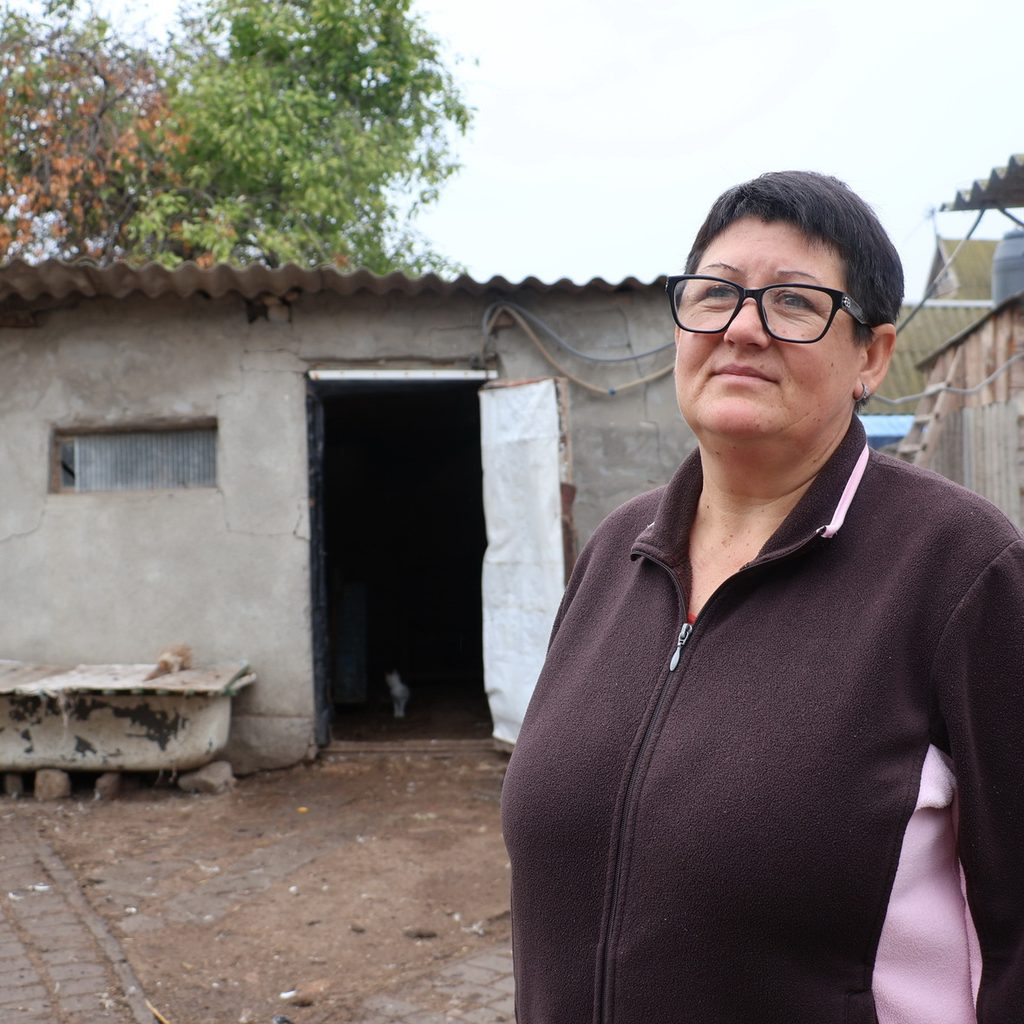
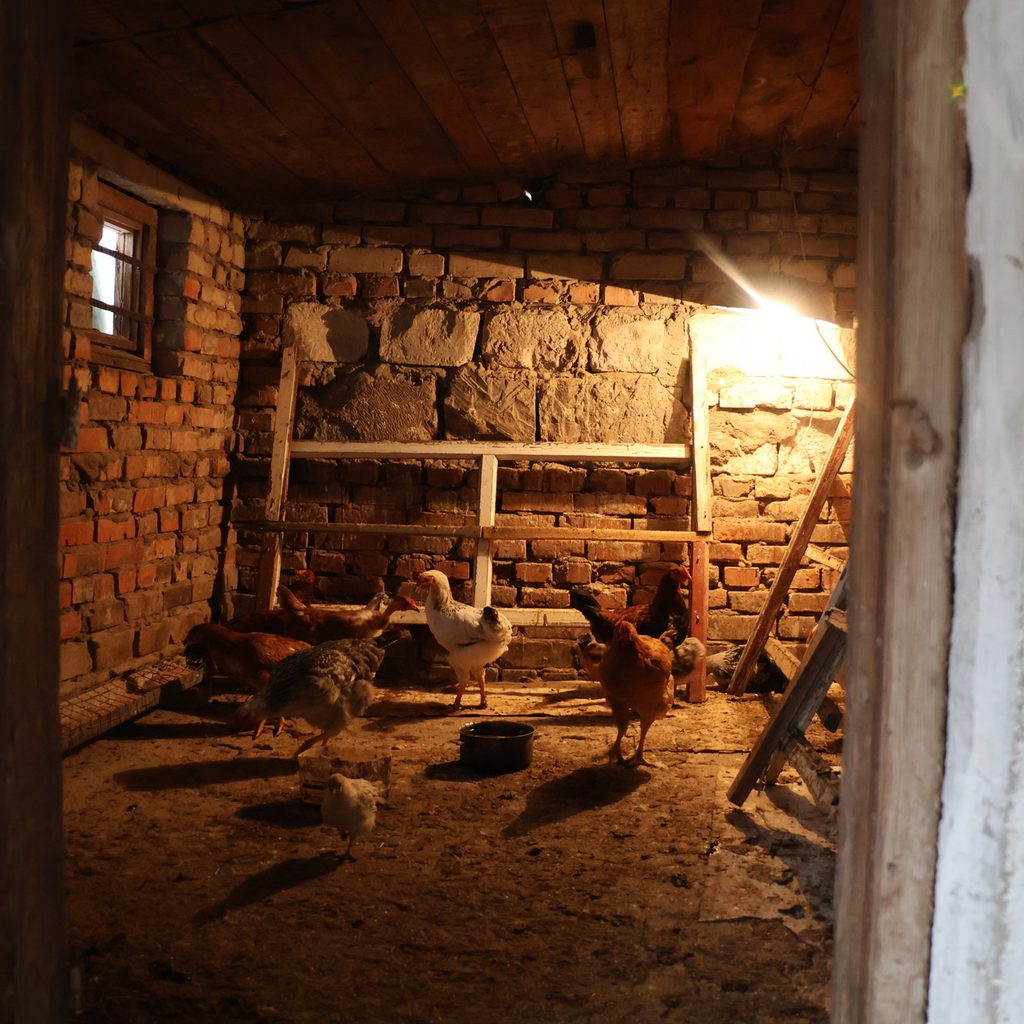
Ms. Mariia will use the funds she has received to insulate her poultry shed
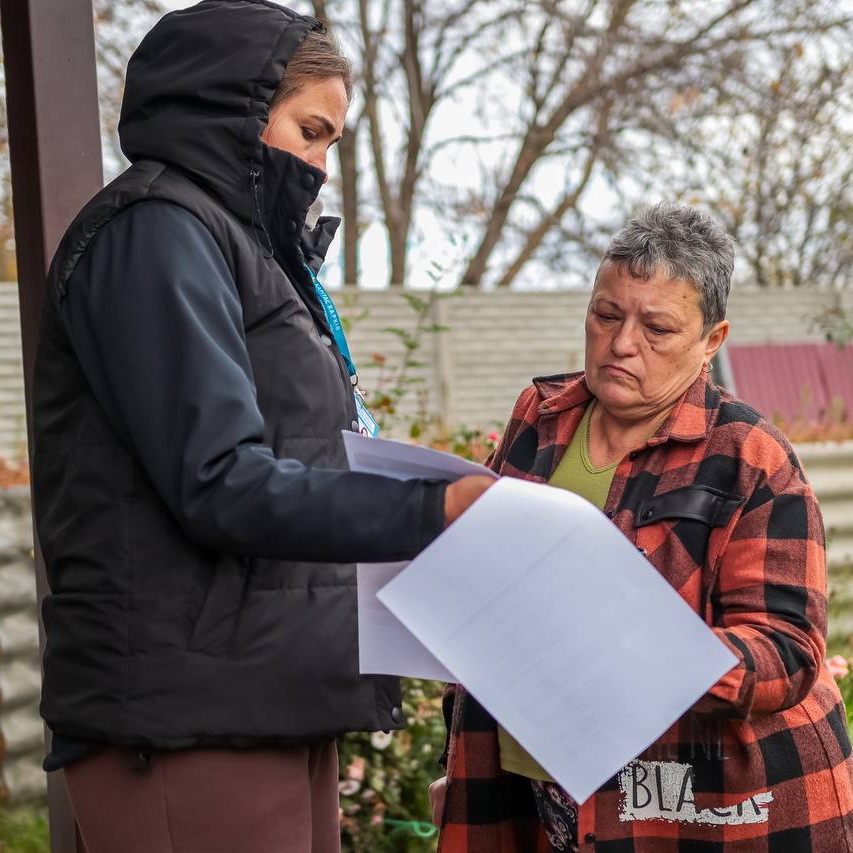
Winter agricultural grants are a new form of assistance under the Livelihoods component, complementing the existing program supporting small rural households. Families can receive up to UAH 15,000 to prepare for the cold season by insulating sheds or chicken coops, repairing livestock shelters, improving crop storage facilities, or purchasing feed for poultry and livestock.
Unlike heating cash assistance, these grants are earmarked for specific purposes. Families agree in advance on how the funds will be spent and must subsequently provide documents confirming their expenses.
The winter agricultural grant program is implemented by six local Caritas organizations: Caritas Chernihiv, Caritas Poltava, Caritas Kharkiv, Caritas Kryvyi Rih, Caritas Kamianske, and Caritas Mykolaiv.
A total of 600 grants are planned, and as of November 15, more than half had already been disbursed.
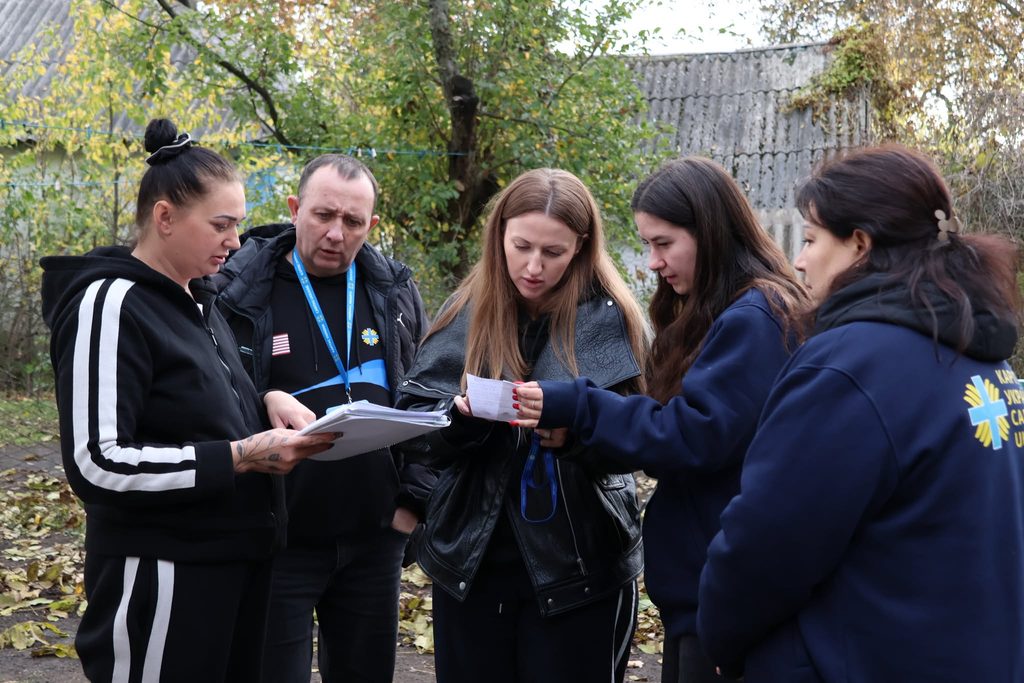
Winter agricultural grants are available to rural households affected by the war that meet the established vulnerability criteria. These include families with three or more children under 18, single parents or guardians, households with members who have disabilities or serious or chronic illnesses, pregnant women, and families with children under three. The assistance is also available to households with people aged 60 and over, as well as unemployed people aged 50 and over.
“For many people, especially older people, this support means much more than being able to buy or repair something. People who have lost their homes and familiar way of life because of the war can once again work the land, grow vegetables, and care for poultry or livestock. It gives them a sense of security and stability, and the ability to plan for the future,” says Kateryna Liudvik, Livelihoods Manager.
Keeping Social Institutions Warm
Winter assistance extends beyond private homes to institutions that are essential to everyday life in communities, including hospitals, outpatient clinics, schools, residential care facilities, and temporary accommodation centers. Caritas Ukraine helps these institutions prepare their premises for the cold season.
“It was important for us to support institutions that communities depend on. That is why we worked with local authorities and conducted monitoring visits to identify where our assistance would be needed most,” explains Yevheniia Pushkinska.
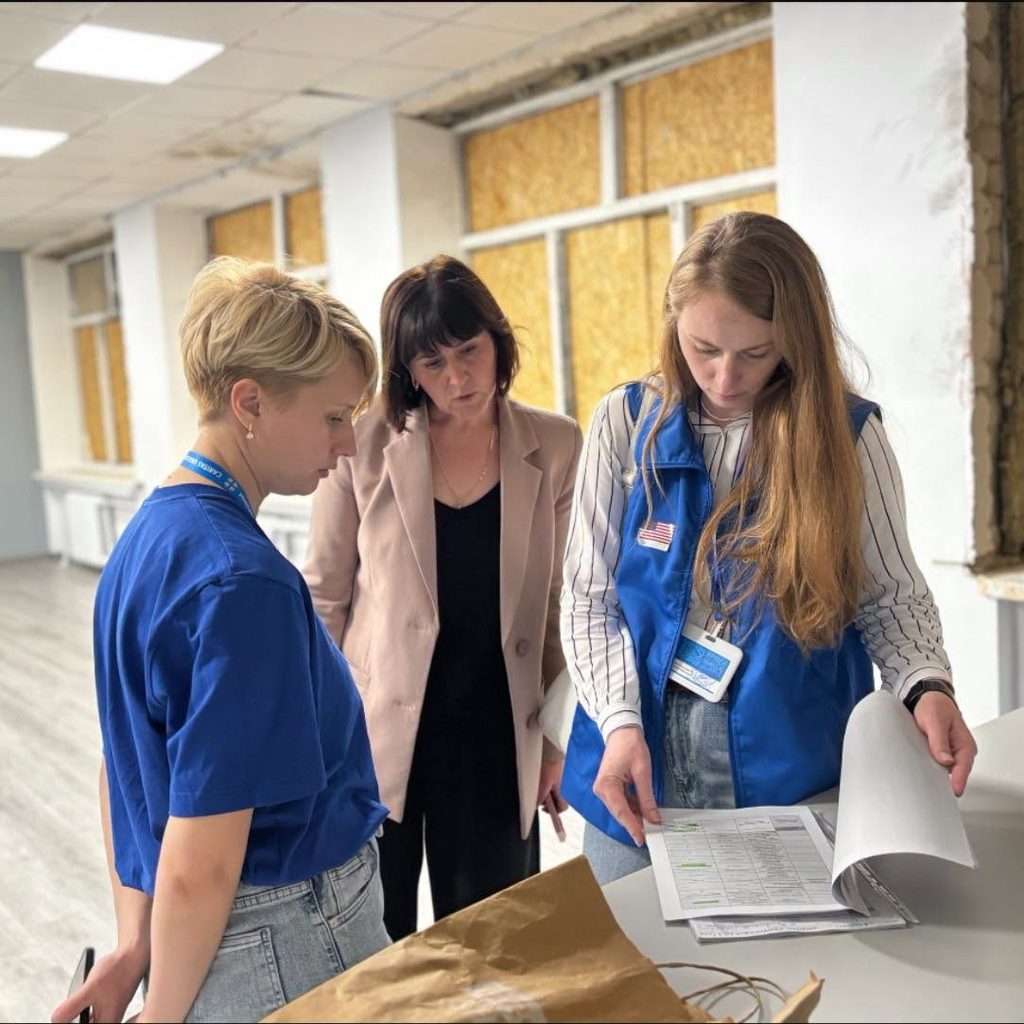
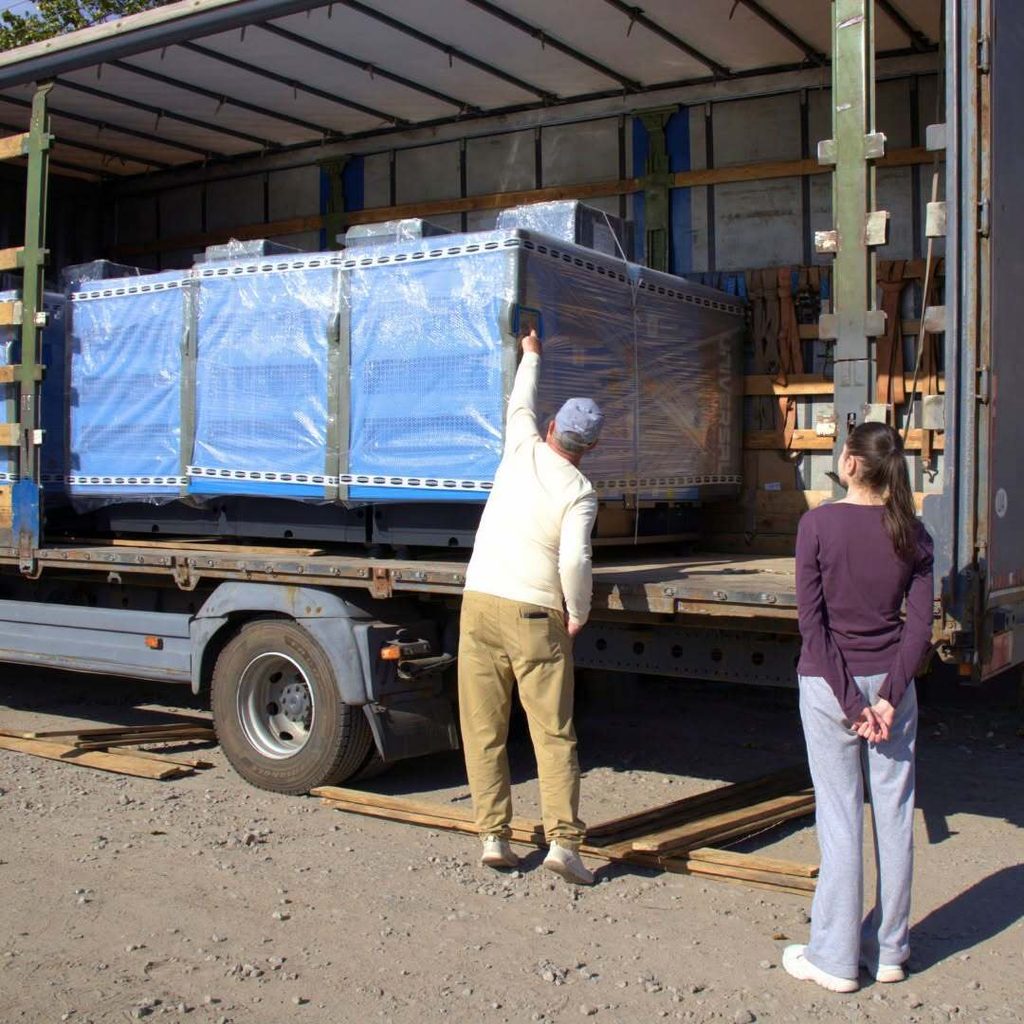
For example, damaged windows are being replaced at a polyclinic in Kharkiv to restore the building’s thermal envelope and reduce heat loss.
In other communities, support includes supplying coal briquettes to social institutions for heating. In Chernihiv Oblast, fuel has already been delivered to a residential care unit in the village of Nekhaivka and to institutions in the Berezna community.
In Dnipropetrovsk Oblast, repair and rehabilitation work is underway at healthcare facilities in Zhovti Vody and Lykhivka.
Beyond preparations for the heating season, Caritas Ukraine also helps communities keep essential facilities operating during power outages.
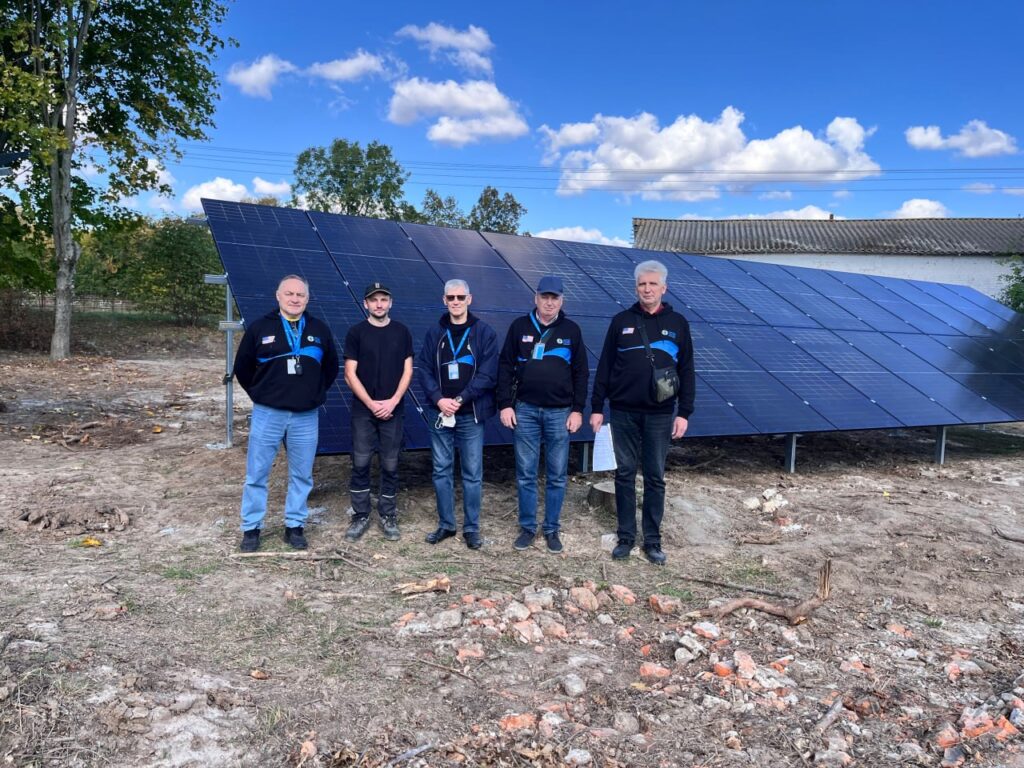
Under the project’s Water, Sanitation and Hygiene (WASH) component, generators are provided to medical and social institutions, as well as water supply and wastewater facilities in frontline communities. In Kyiv Oblast, solar power plants installed with project support are already operating and supplying electricity to water infrastructure facilities.
This winter, warmth for Ukrainian families means more than the temperature inside their homes. It means being able to stay at home with their children, preserve the food they have grown, and access essential services at hospitals and social institutions.
Behind this support is solidarity that reaches across thousands of kilometers, yet can be felt close to home — in a warm house, a protected household farm, and the ability to face another winter of war with greater confidence.
The Multi-Sectoral Assistance to People Affected by the War in Ukraine project is implemented by Caritas Ukraine thanks to the generous support of the American people through the United States Government. The content of this publication is the sole responsibility of Caritas Ukraine and does not necessarily reflect the views of the United States Government.