
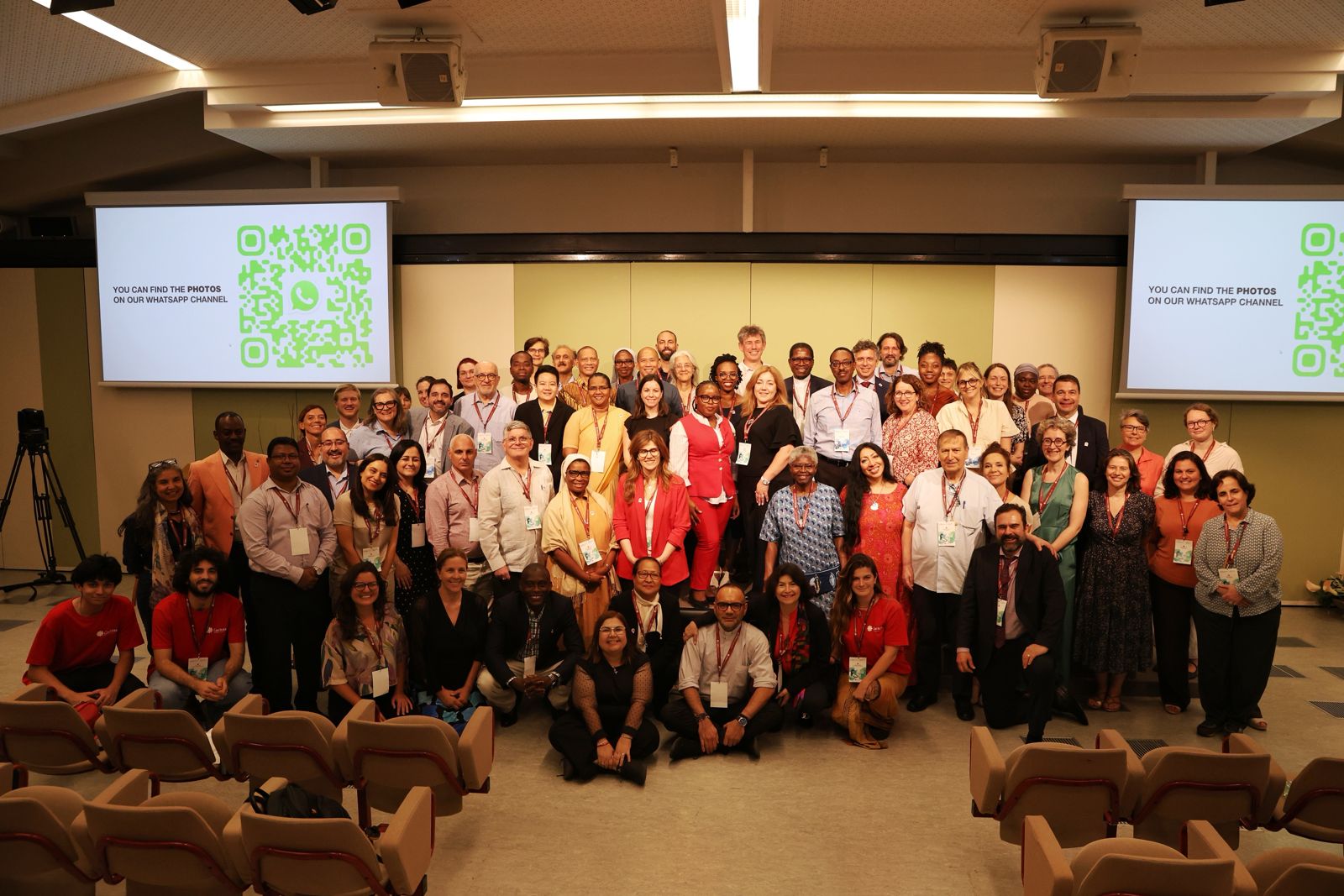
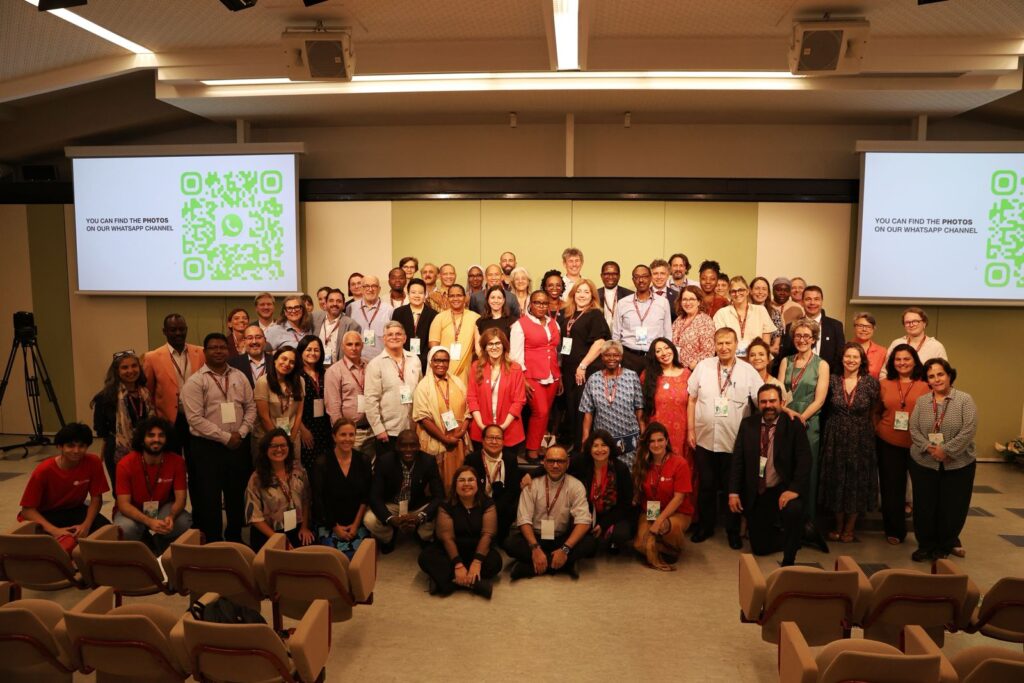
The gathering brought together representatives of Caritas member organizations, international institutions, and partner humanitarian organizations from 28 countries across Africa, Asia, the Middle East, and the Americas. Caritas Ukraine was represented by Khrystyna Semegen-Bodak, Head of the Healthcare Program.
The conference opened with a message from Pope Leo XIV, delivered by Cardinal Pietro Parolin, Vatican Secretary of State, in which the Holy Father encouraged participants to continue bringing God’s mercy to those who suffer.
Over three days, participants examined some of the most pressing challenges facing humanitarian healthcare today, including the ethical use of artificial intelligence, the impact of climate change on vulnerable communities, access to healthcare in conflict zones, and the growing importance of mental health as an integral part of humanitarian response. Discussions also addressed the Ebola outbreak, HIV among orphaned children, chronic malnutrition in Venezuela, and the consequences of healthcare funding cuts in many parts of the world. Strengthening partnerships with international organizations was another key focus.
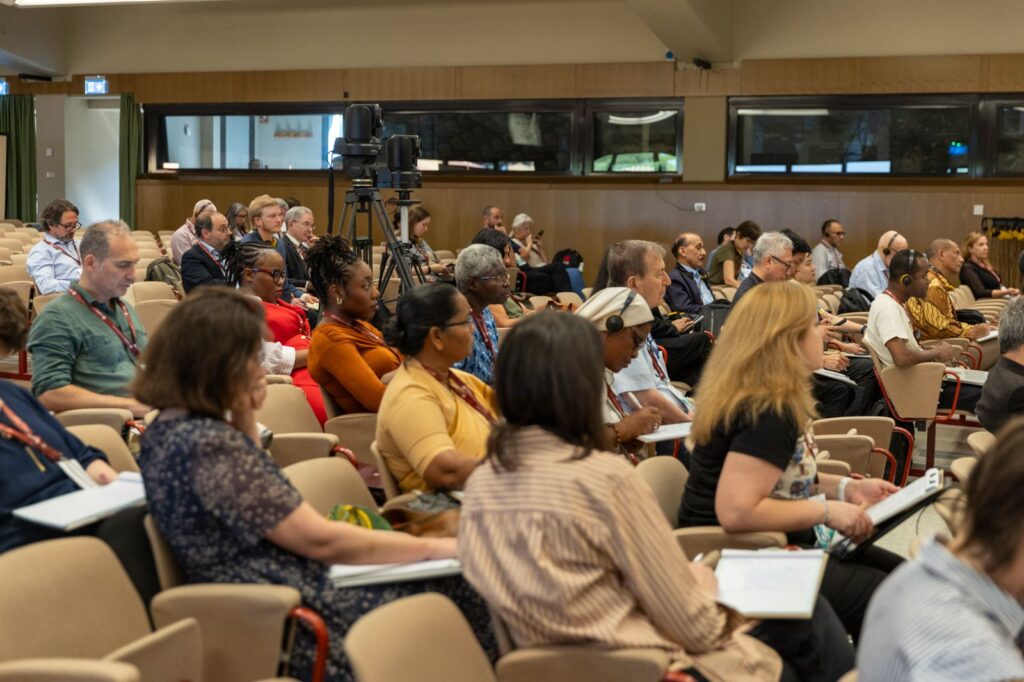
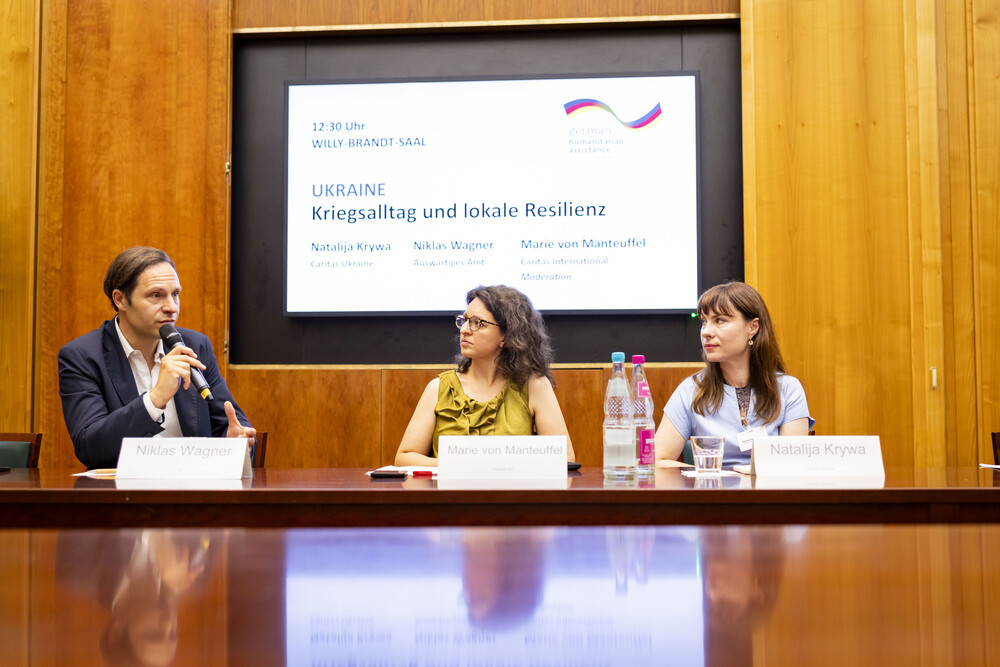
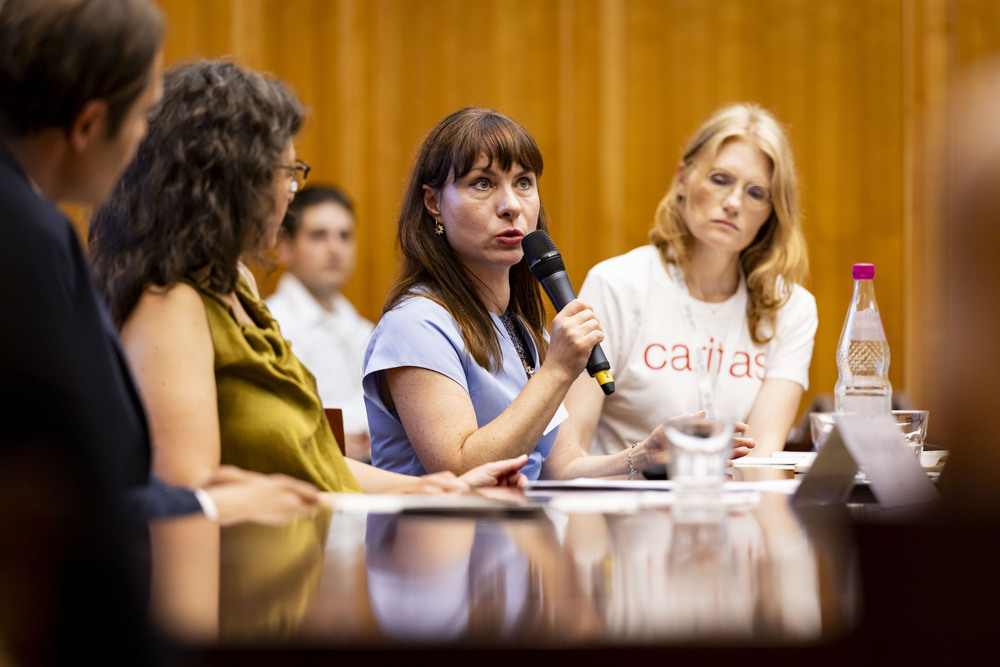
Speaking during a panel on healthcare in armed conflict, Khrystyna Semegen-Bodak presented Ukraine’s experience after more than four years of full-scale war, describing the daily reality of air raid alerts, continuous insecurity, and the immense strain placed on the country’s healthcare system.
Reflecting on the conference, she emphasized its multidisciplinary approach.
“In one room, health professionals from 28 countries came together, bringing medical, legal, economic, and political perspectives. Our shared goal was to shape the future of healthcare together“
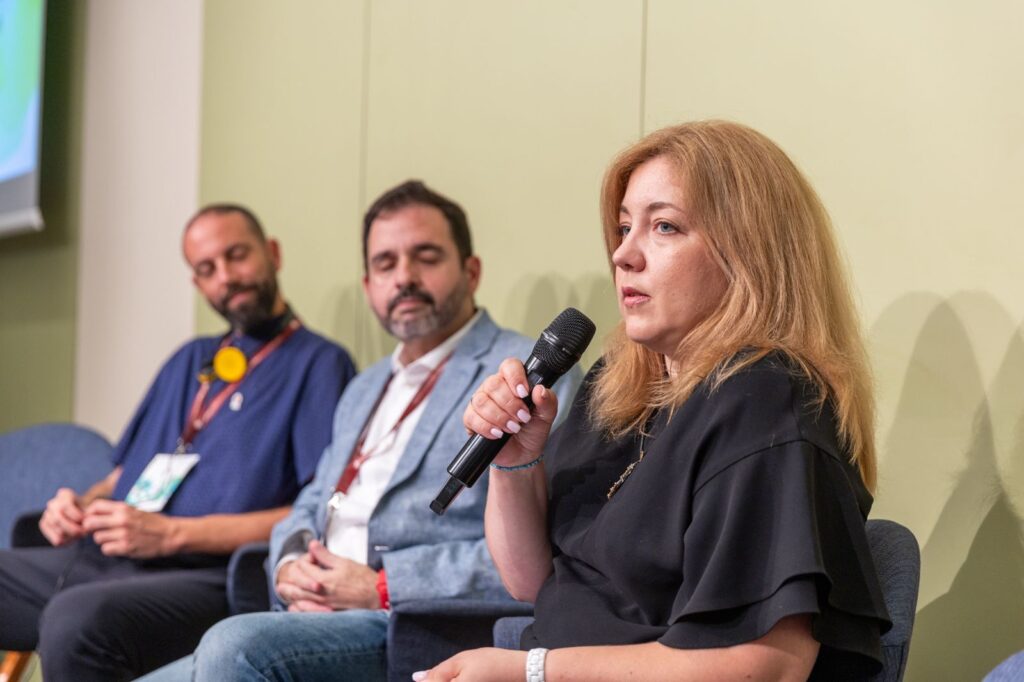
She noted that one message echoed throughout the conference:
“The phrase repeated several times that best captured the spirit of the event was: ‘There is no health without mental health.’ This is not merely a slogan, but an approach embedded in the Caritas model of care that integrates medical, psychological, social, and spiritual support. For us at Caritas Ukraine, it was an important affirmation that the sustainable healthcare model we are building follows this same vision, recognizing health as everything a person needs to live a full life.“
Her remarks reflected the statistics she presented during the panel. After more than four years of war, approximately 70 percent of Ukrainians report experiencing mental health difficulties, yet only one in ten has access to the support they need. More than 2,600 medical facilities have been damaged or destroyed by Russian attacks, while over 300 healthcare workers have been killed since the beginning of the full-scale invasion.
In response, Caritas Ukraine has made mental health support a core component of all its healthcare programs. Today, specialized mental health services are available through 11 Caritas medical centers across the country.
Ukraine’s experience resonated strongly with representatives from other countries where Caritas serves communities affected by conflict, humanitarian crises, and fragile healthcare systems.
The conference is expected to conclude with the adoption of a Declaration and a Roadmap that will define the strategic direction of Caritas health programs worldwide. Caritas Ukraine’s active contribution to this process demonstrates that Ukraine’s experience is helping shape the international conversation on humanitarian healthcare.