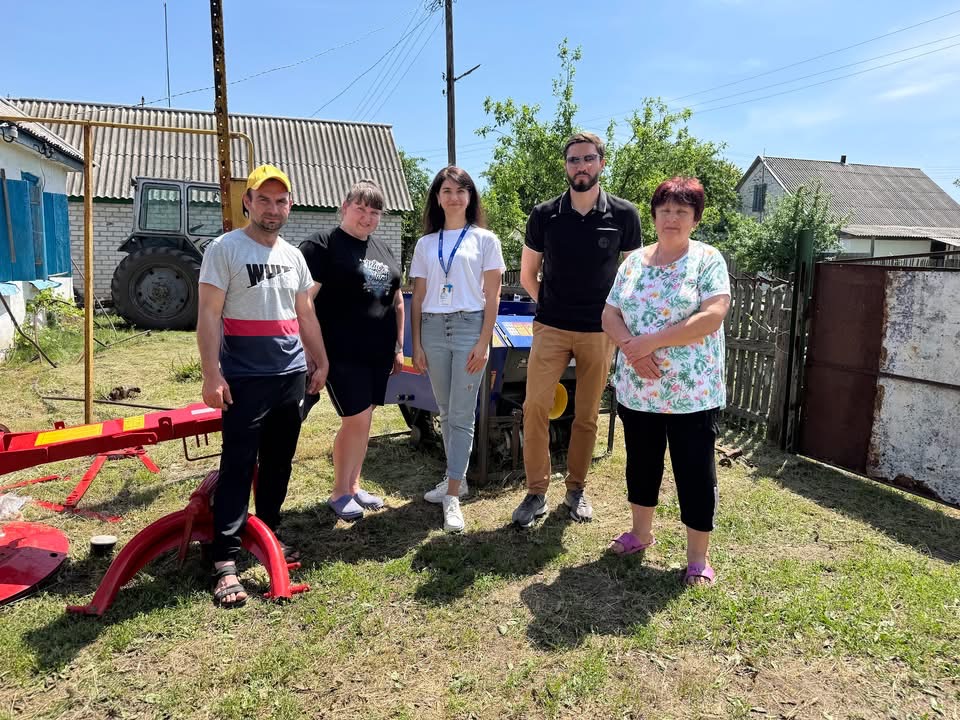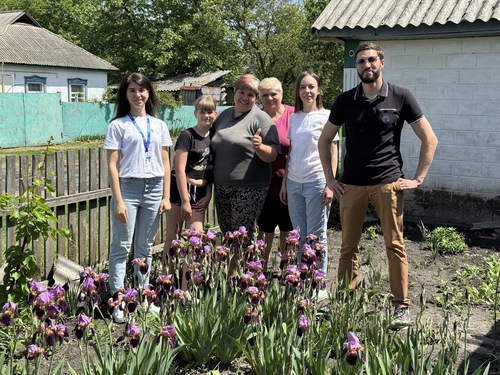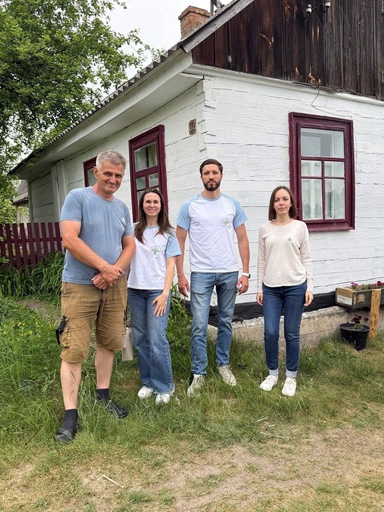

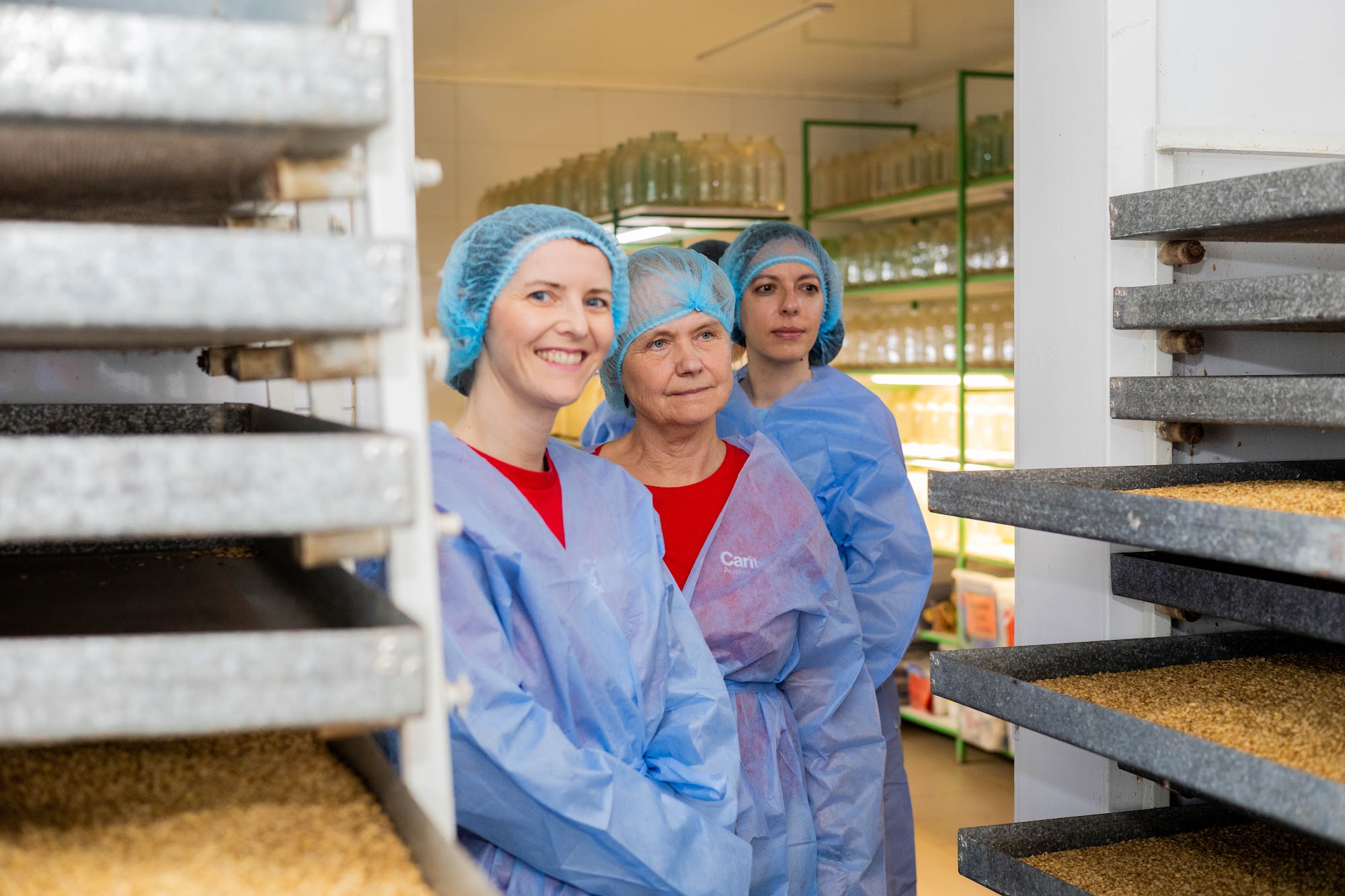
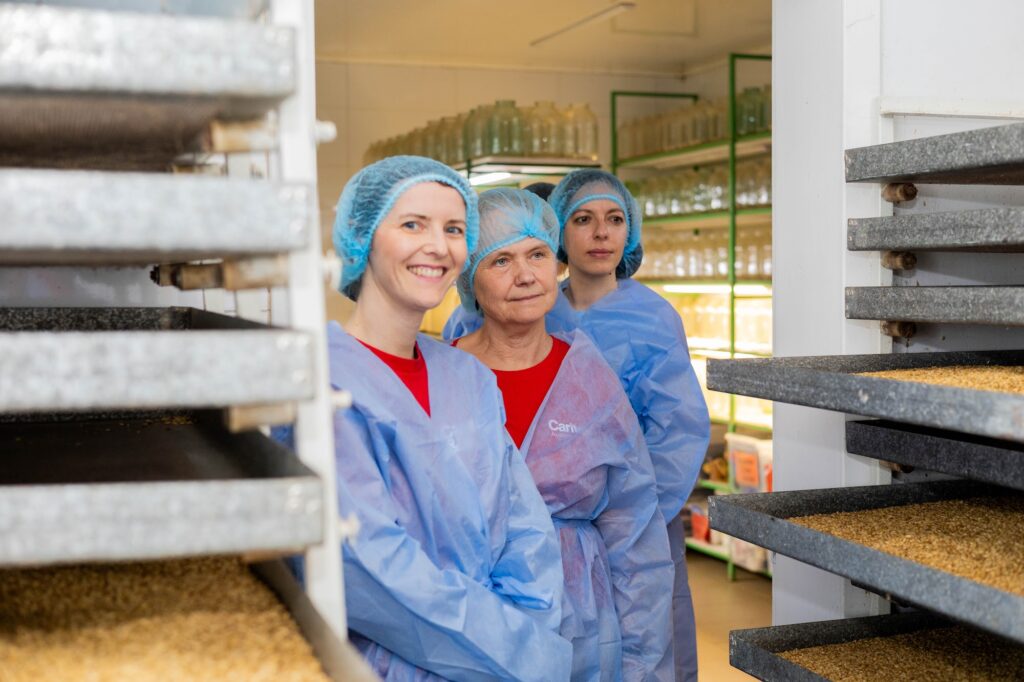
In Poltava region, part of the programme took place at the Caritas Poltava office, while other visits were held directly in communities where families are already developing their farms and businesses with support from the third phase of the AGRIS project, AGRIS3.
The first part of the visit focused on families that had received business grants to develop their livelihoods. These grants, worth up to UAH 185,000, were provided to help people start, restore or expand agricultural businesses.
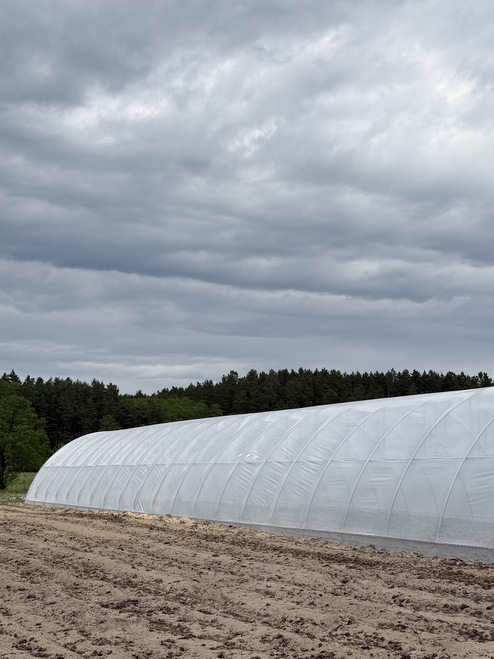
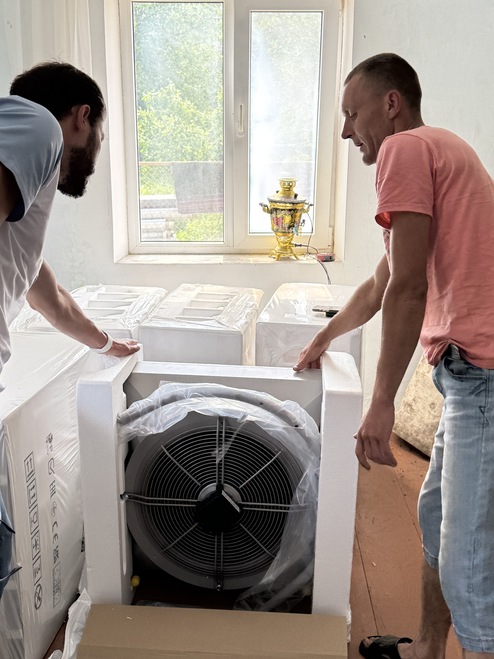
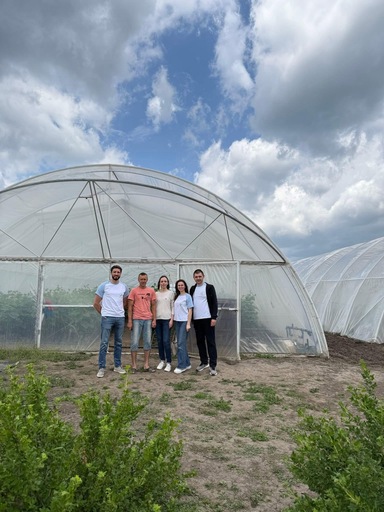
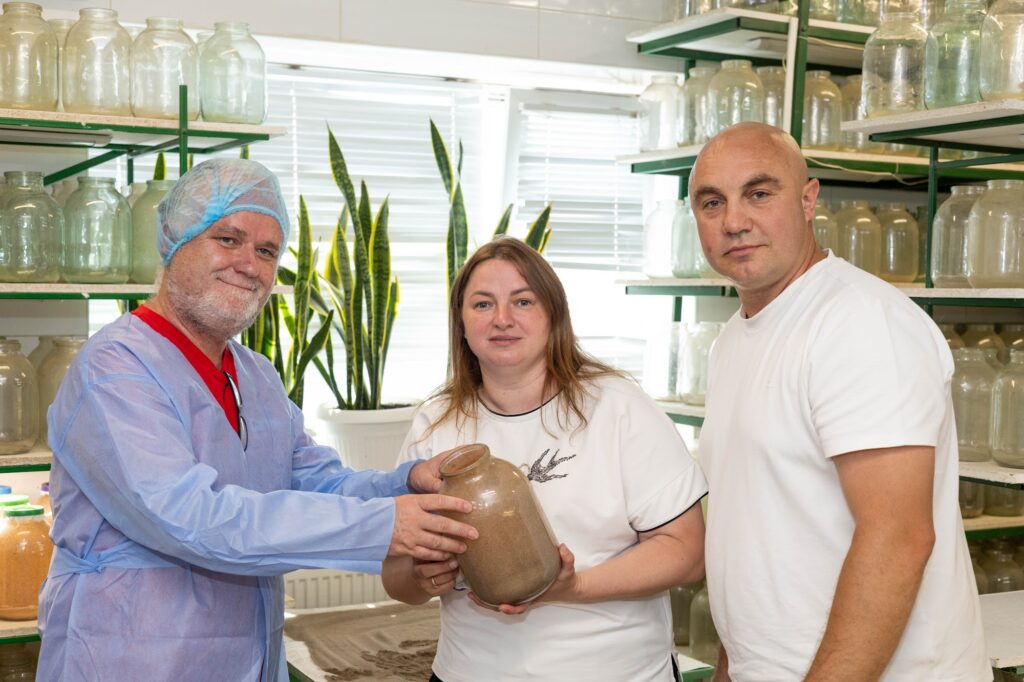
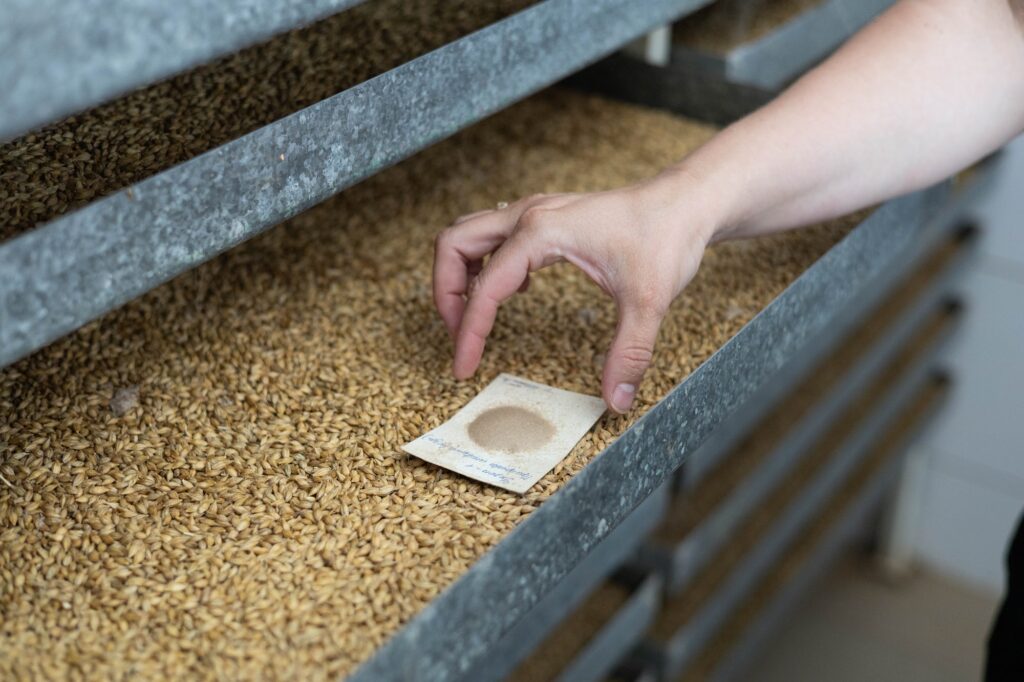
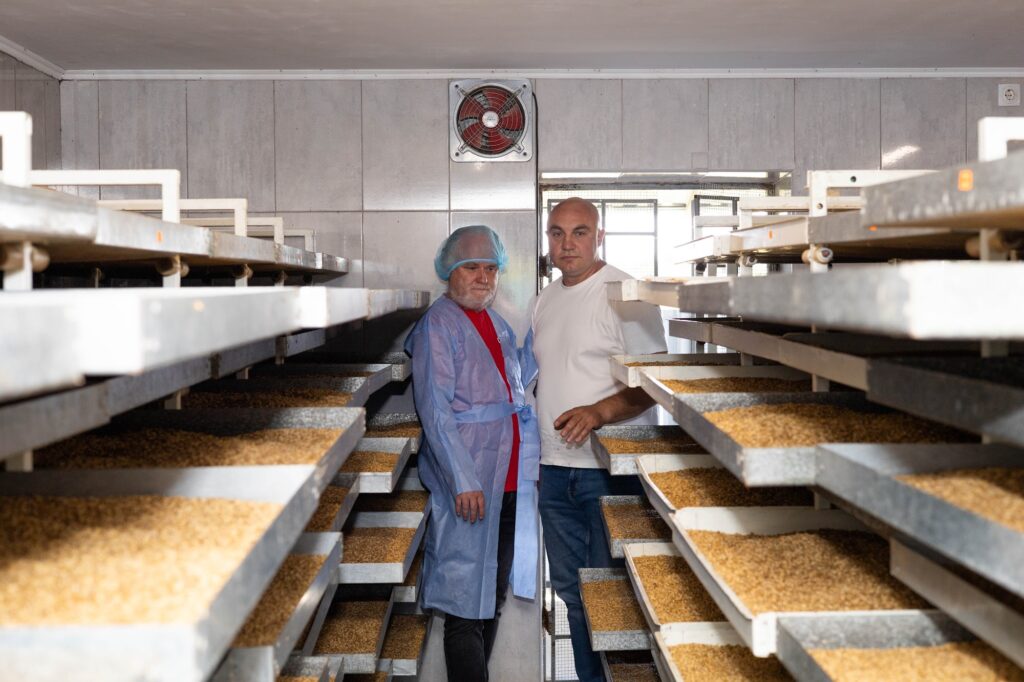
Among the grant recipients was the Heroim family, who run a business in a field unfamiliar to most people: breeding Trichogramma, a tiny beneficial insect used as a natural biological crop protection agent against agricultural pests. Through AGRIS3, the family invested grant funding in the development of their business, BioBalance, enabling them to strengthen production capacity and create better conditions for future growth.
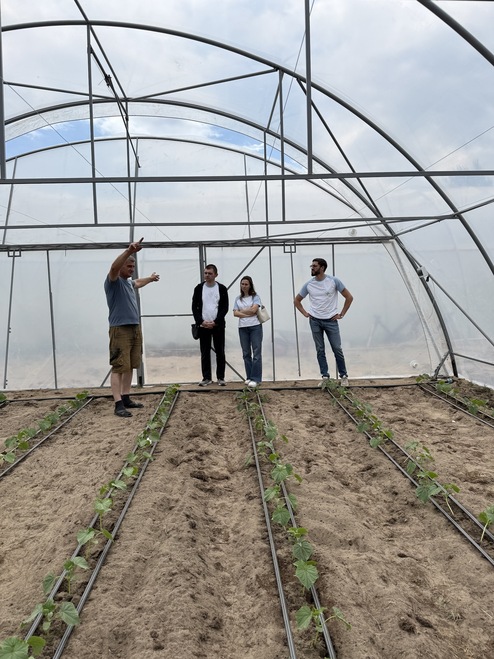
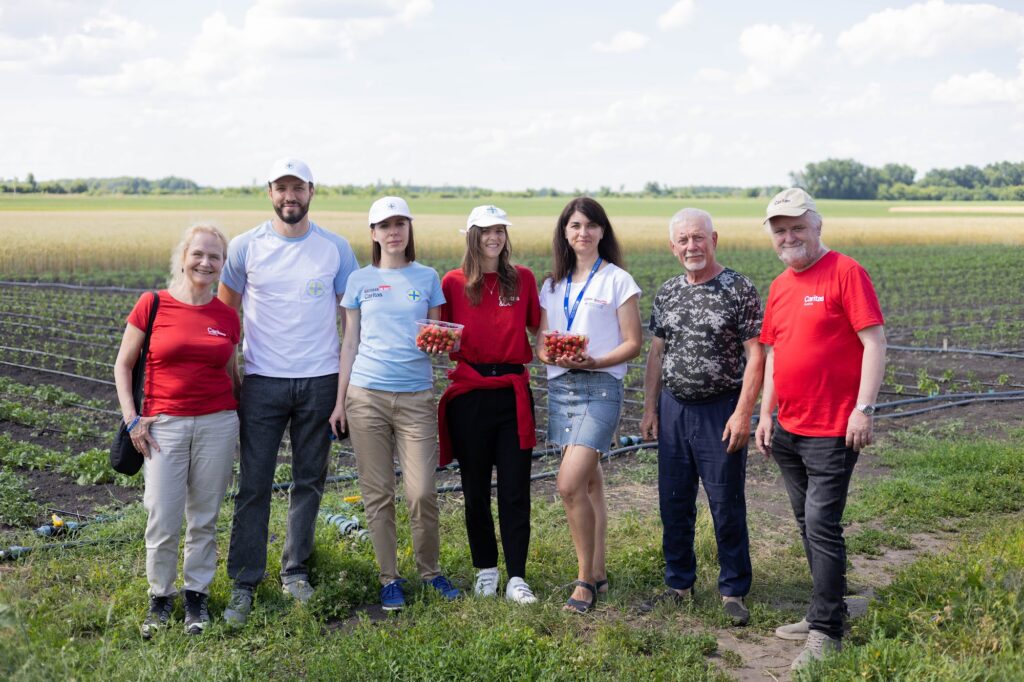
The partners also visited Yurii Kushnir, founder of the family farm “Strawberry Paradise”. According to Yurii, support provided through the project accelerated the farm’s development. Today, the business continues to grow year by year, supplying local communities and residents of Poltava with fresh produce.
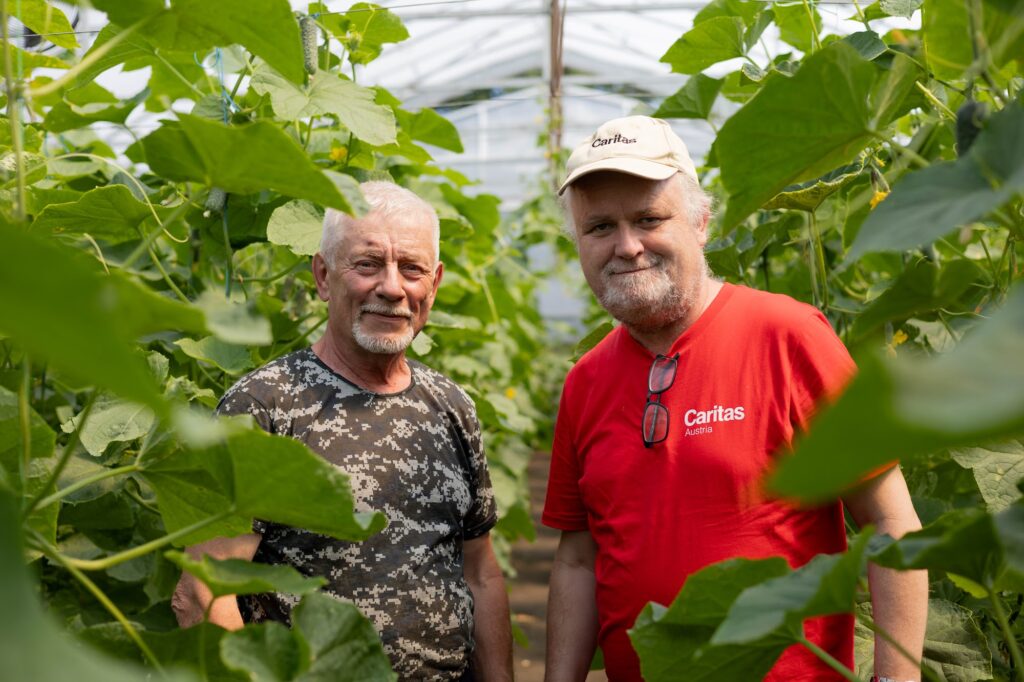
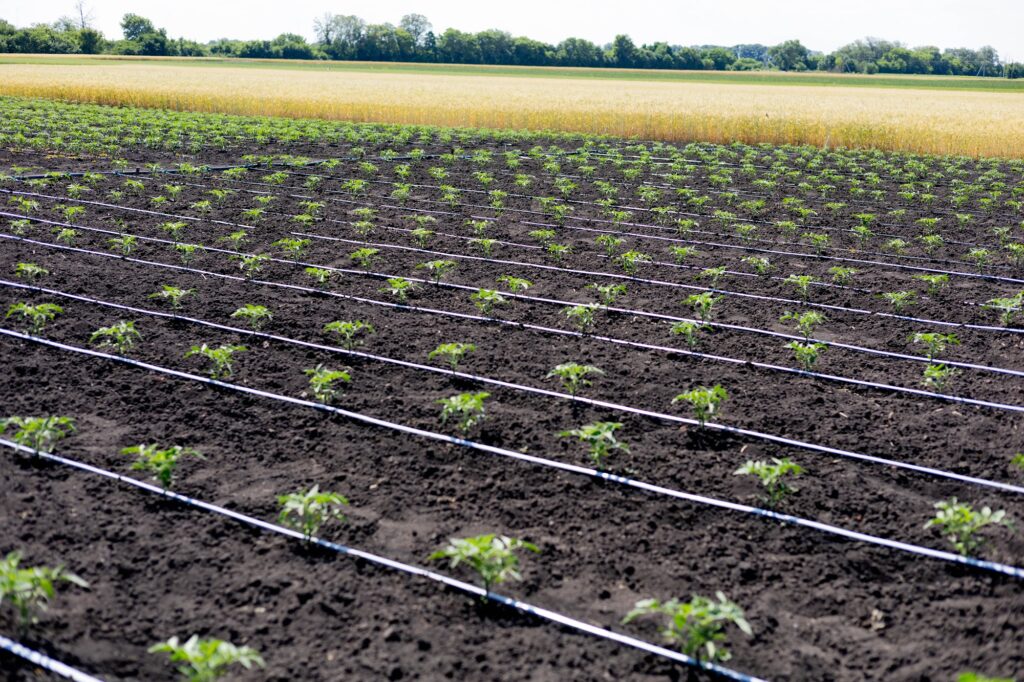
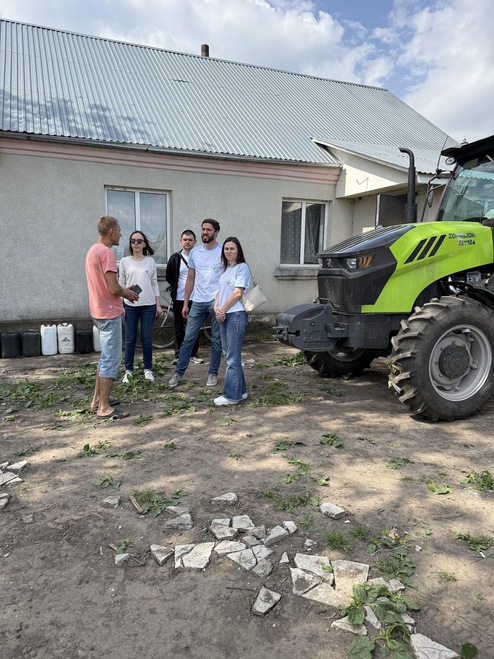
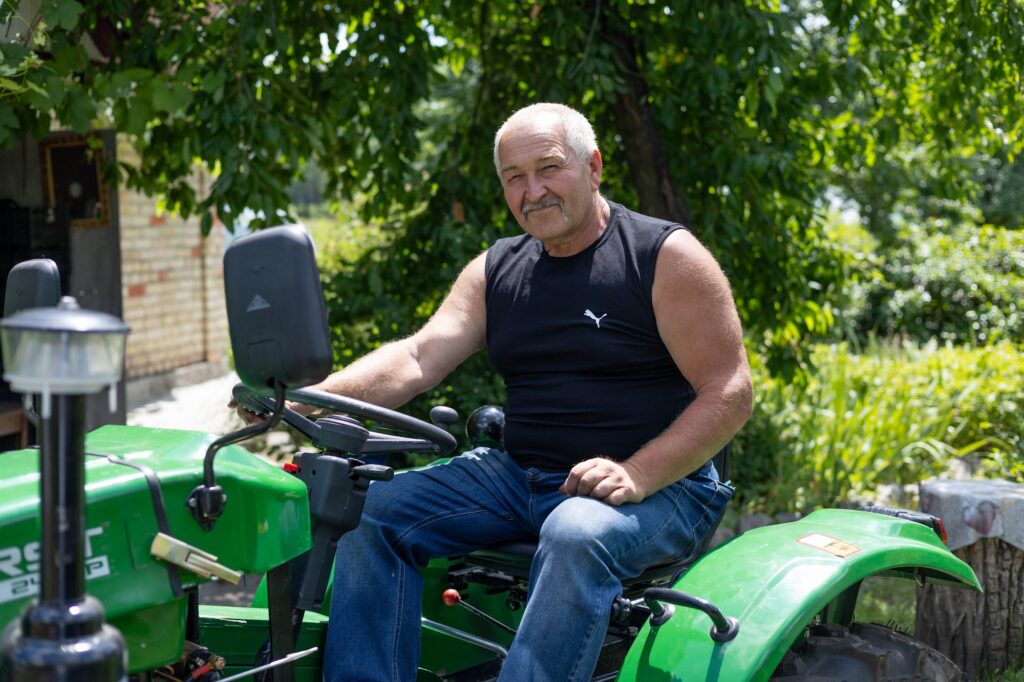
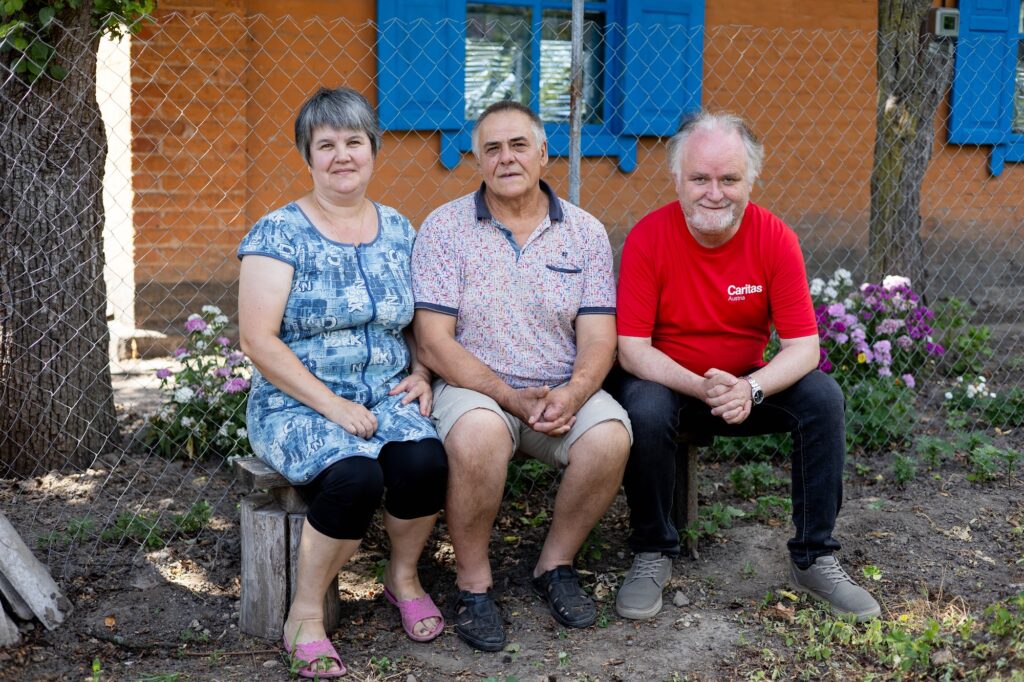
Valentyna Shaforostova and her husband relocated to Poltava region from Soledar. Back home, both had spent their entire working lives employed by an agricultural enterprise. After settling in a private home in their new community, they decided to return to the work they knew best: farming.
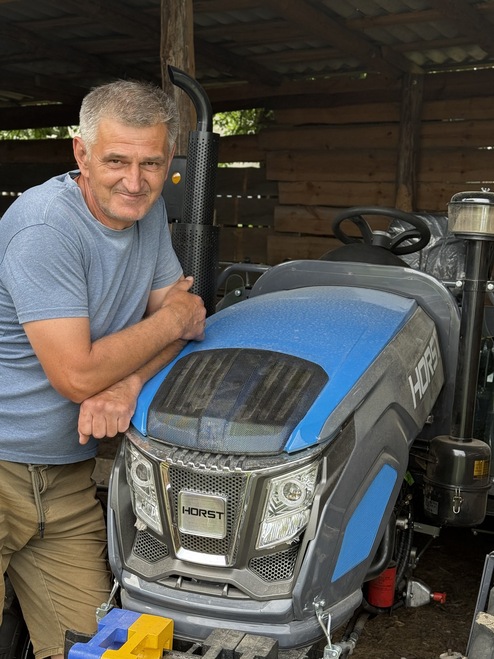
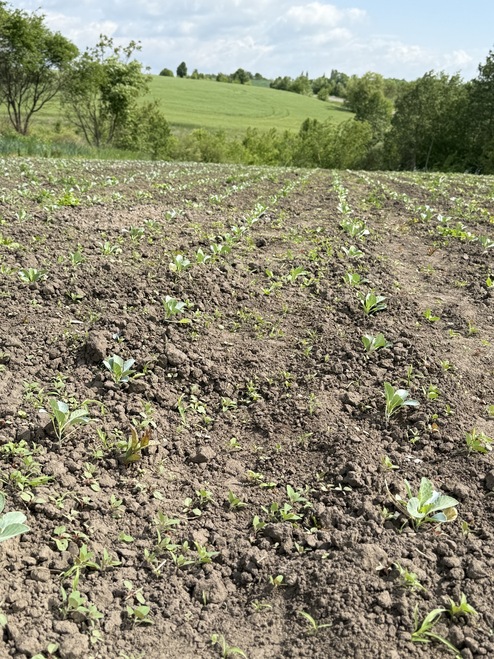
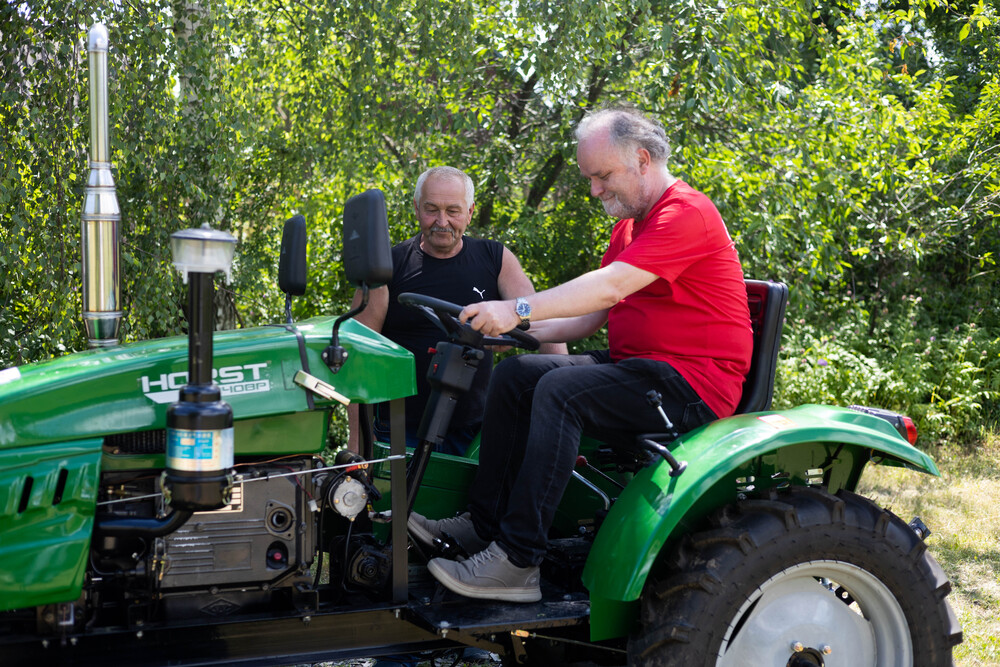
To develop their household enterprise, the family needed a tractor and additional agricultural equipment. Thanks to support from Austrian partners, they were able to purchase both. They now plan to expand the area under potato cultivation and gradually grow their farming business.
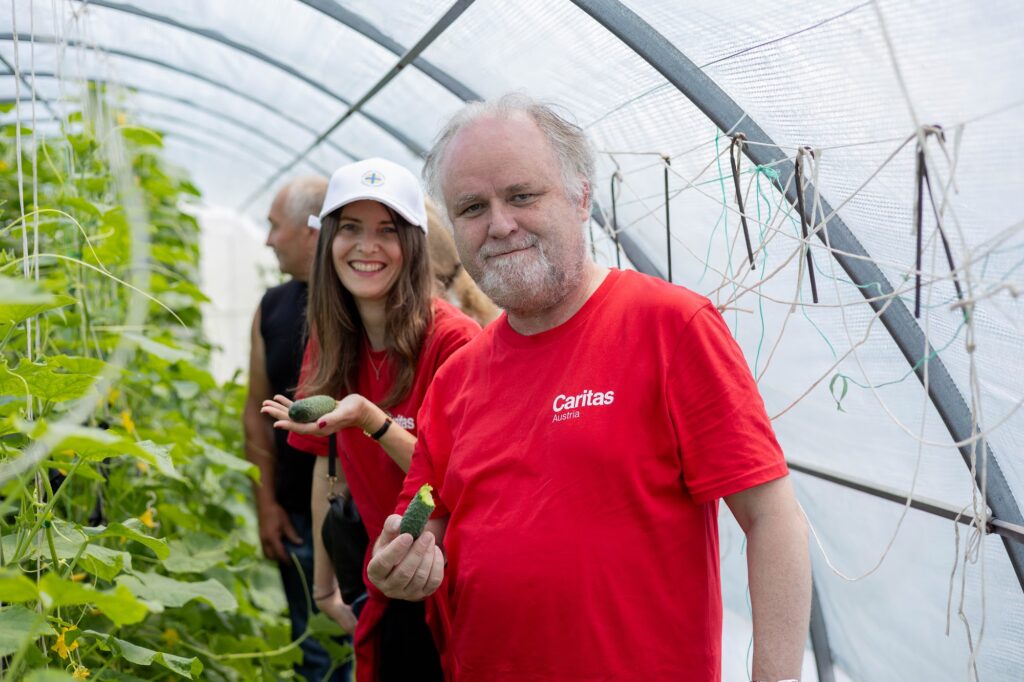
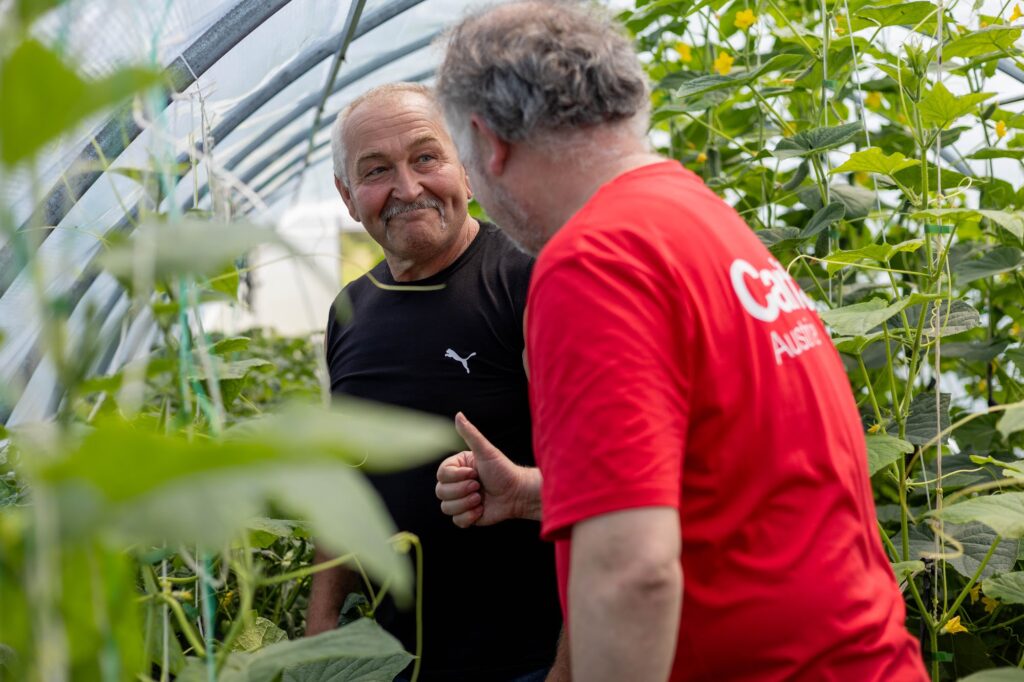
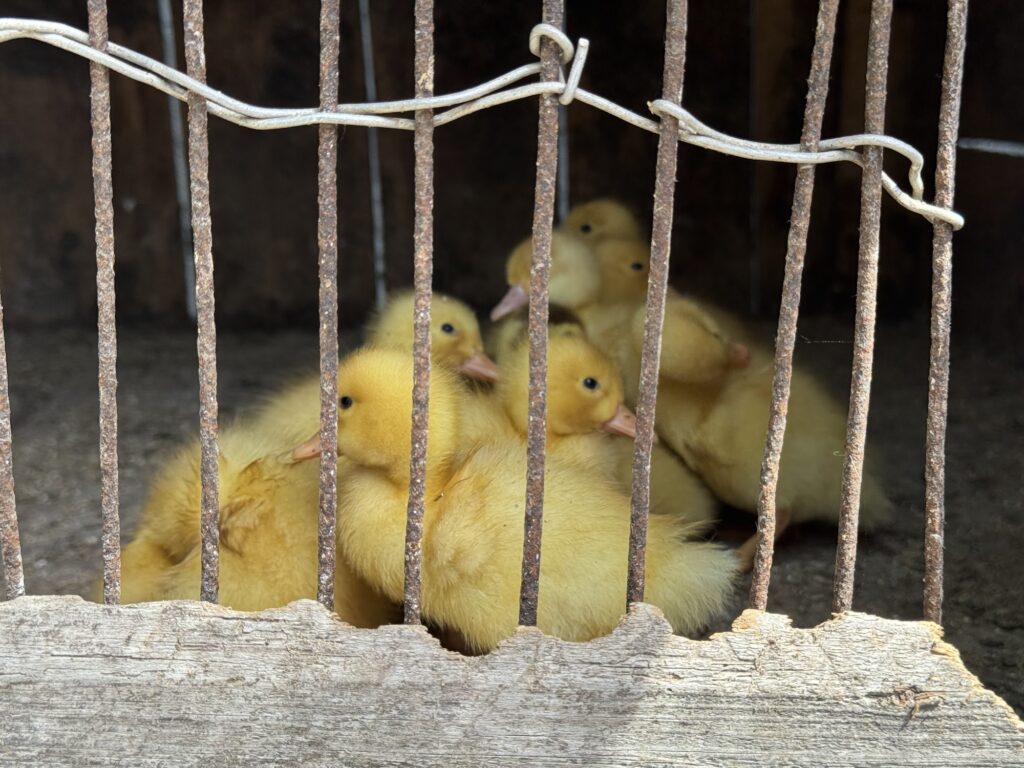
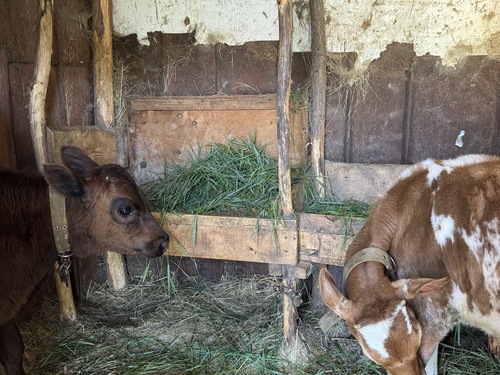
During the visit, the partners also met recipients of microgrants. Among them were families forced to flee their homes because of the war and rebuild their lives elsewhere. With project support, they purchased tractors, cultivators and other farming equipment, established small-scale agricultural activities, and began growing vegetables and raising poultry. For many, their household farms have become not only a source of food for their families but also a first step towards restoring their livelihoods and achieving greater financial independence.
Nadiia, together with her husband and children, left Sumy region when shelling became too frequent. The family found refuge in her parents’ house in Poltava region, small but a place they could call their own.
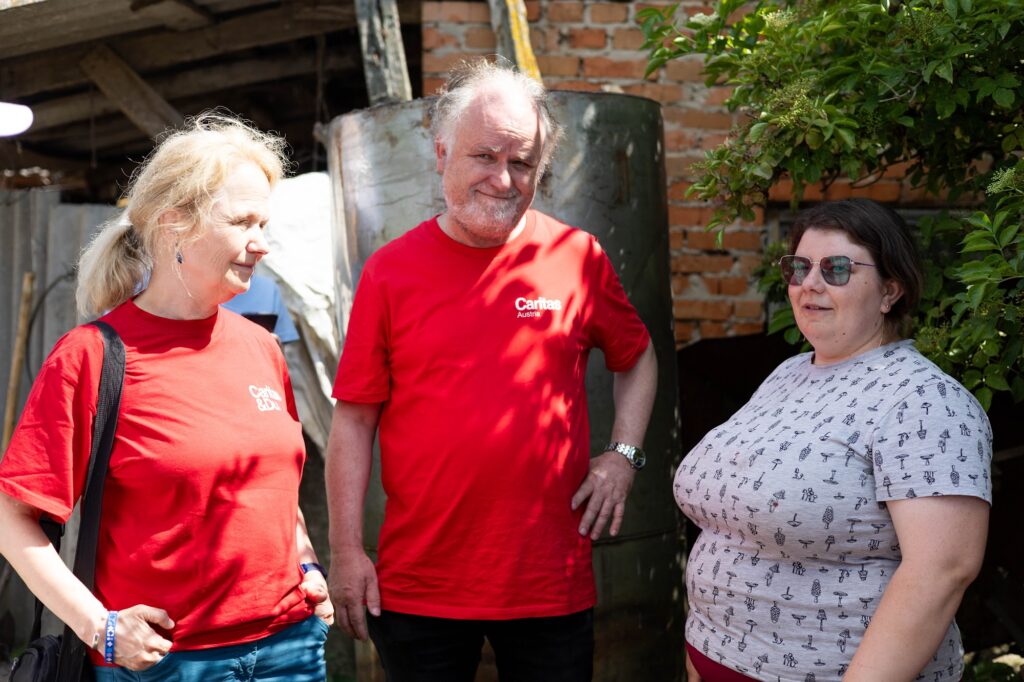
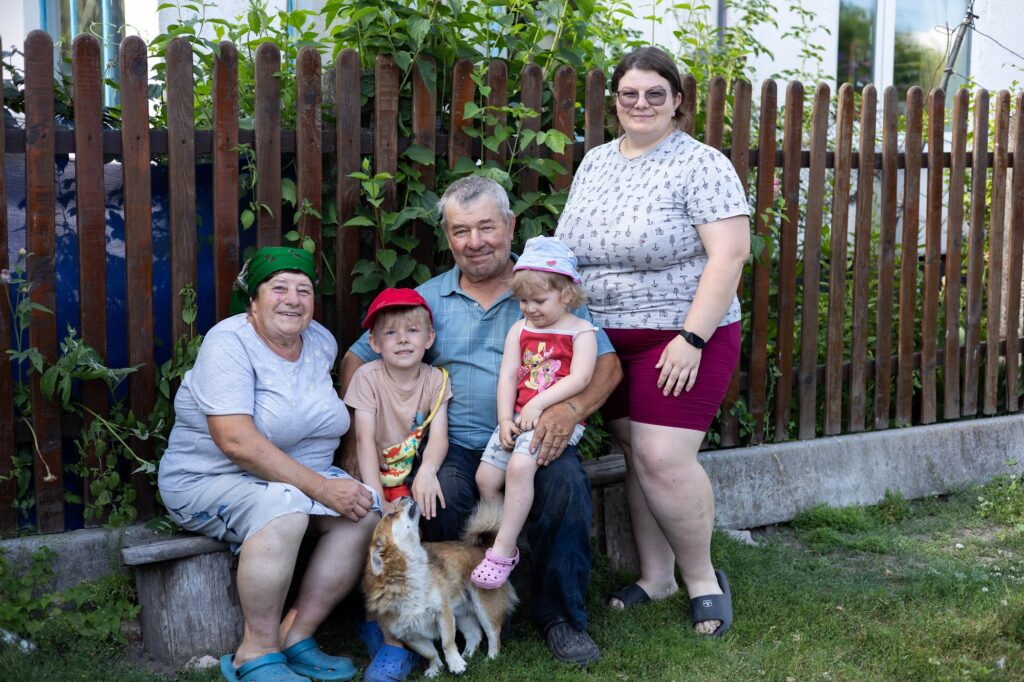
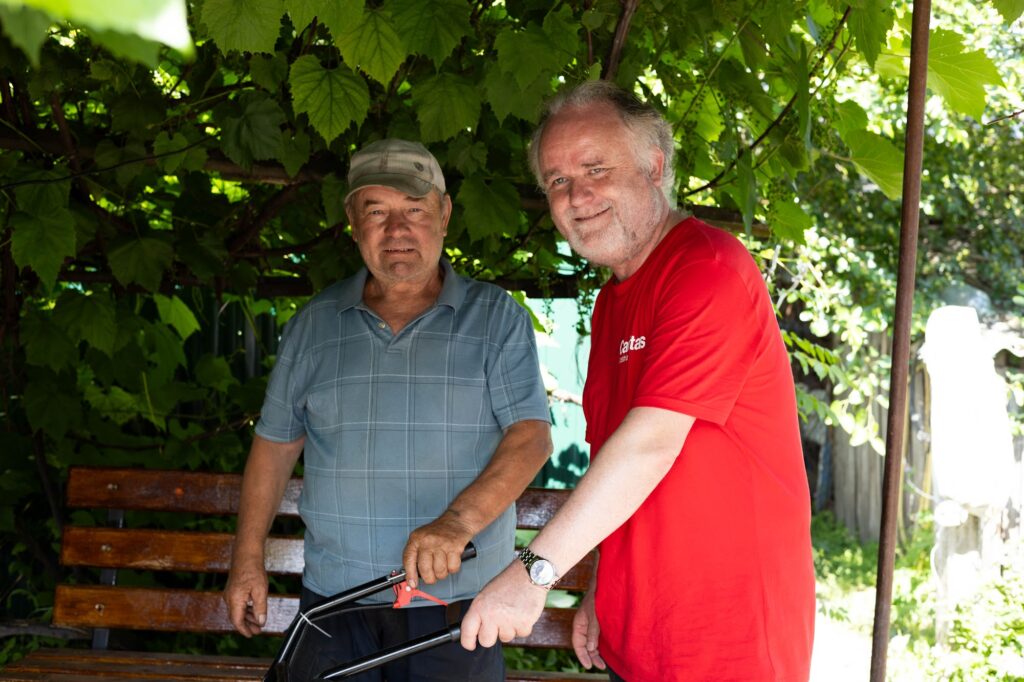
After receiving a microgrant through AGRIS3, the family planted a vegetable garden and purchased a cultivator, chicks and animal feed. Employment opportunities in the village are scarce, so farming has become a way for them to provide food for their family and gradually rebuild their lives in a new place.
Svitlana moved to Poltava region from Toretsk with her children. Later, her husband joined the family after being demobilised from military service. He had defended Ukraine since 2014 and was discharged on medical grounds following severe injuries.
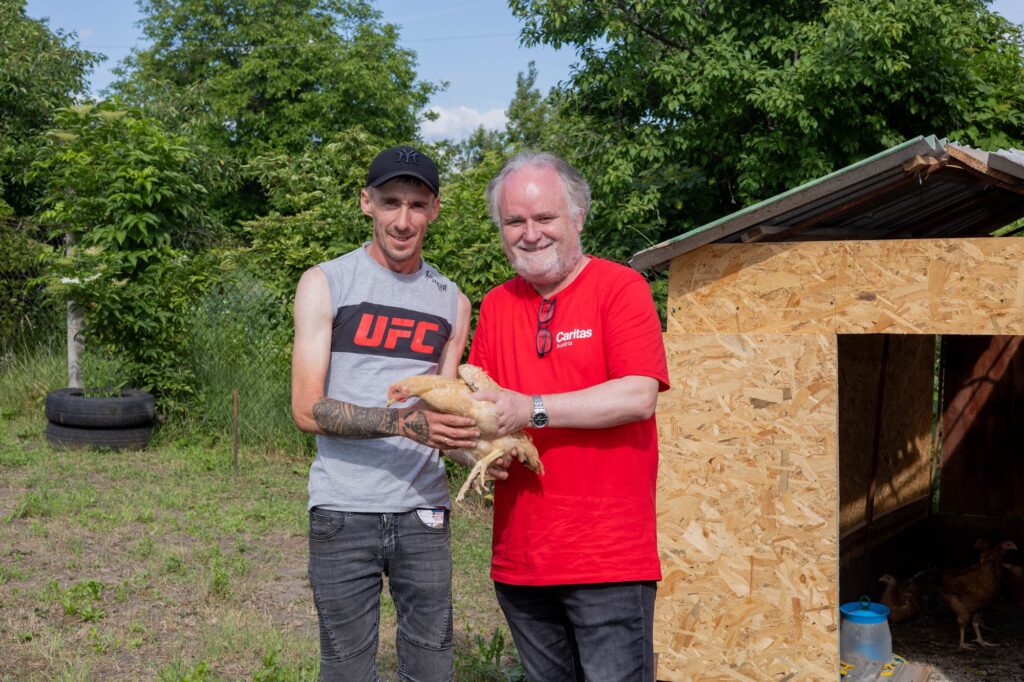
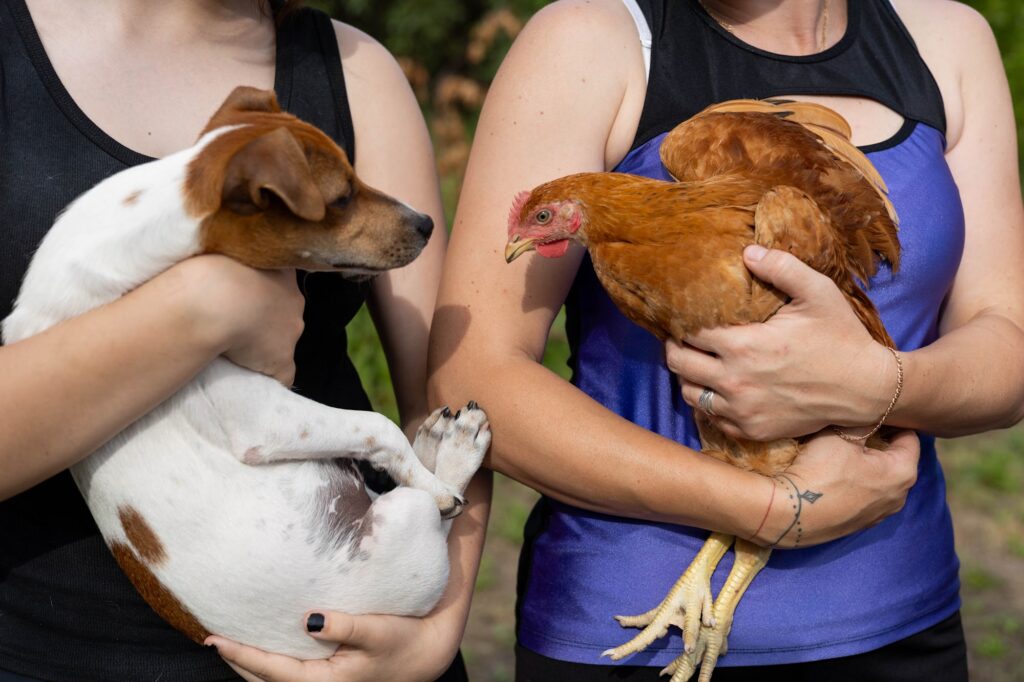
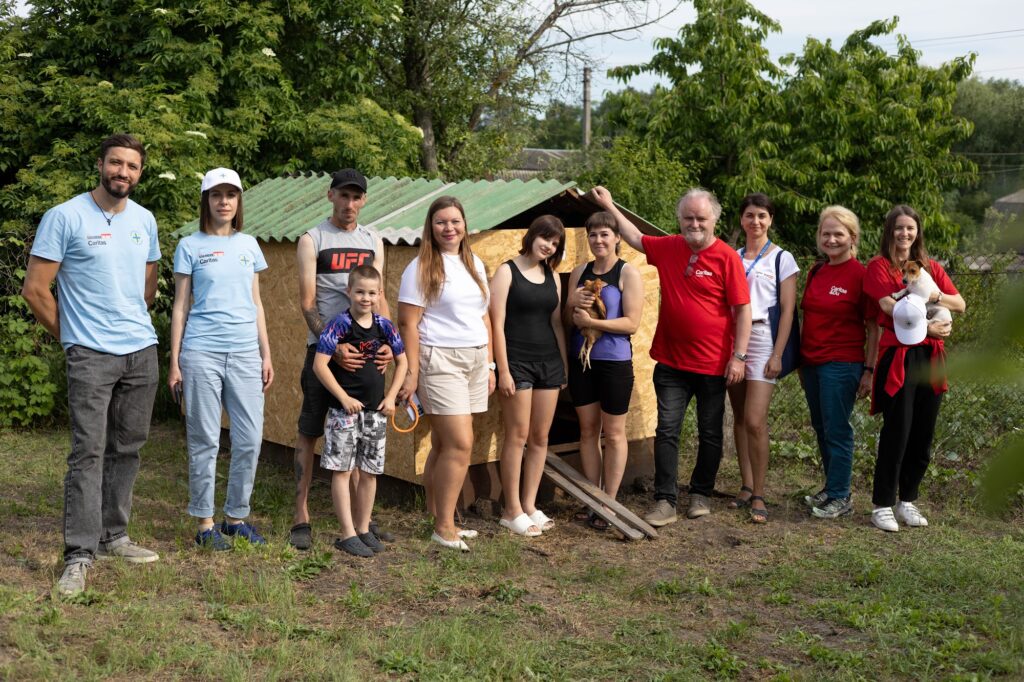
Using grant funding, the family set up a small poultry facility and purchased chicks. Today, they run their own household farm and provide their family with fresh poultry meat.
Following his two-week visit to Ukraine, Andreas Knapp, Secretary General for International Programmes at Caritas Austria, spoke with Austrian broadcaster ORF about what he had witnessed in Ukraine and the support being provided to people affected by the war.
ORF interviewer: You mentioned support for children as well as agricultural projects such as AGRIS3, which essentially help people help themselves. Why is this so important? Is the food situation in Ukraine really that difficult?
Andreas Knapp: Food is available. The main challenge is that many people have lost their income, their property and everything they owned. They have been forced to rebuild their lives from scratch. That is why projects that create sources of income are critically important.
We are grateful to our partners for this visit and for their many years of support for people in Ukraine.
The AGRIS3 project, “Sustainable Agricultural Development and Strengthening Rural Livelihoods for Vulnerable Households in Rural Areas,” is implemented by Caritas Poltava in partnership with Caritas Ukraine, with financial support from Caritas Austria and the NACHBAR IN NOT Foundation.