


Caritas Ukraine Hosts Expert Discussion on Housing Recovery
On November 5, Caritas Ukraine’s Housing Solutions Program hosted a case study presentation and expert discussion titled “Integrated Housing Solutions for Community Recovery” in Kyiv.
The event took place as part of the First Ukraine Annual Housing Conference (Annual Housing Conference 2026), which brought together representatives of government authorities, international organisations, donors, financial institutions and civil society.
How can Ukraine move from temporary housing assistance to systemic solutions? What do communities need to plan and manage their own housing recovery? And how can housing programmes remain sustainable after donor funding comes to an end? These questions were at the heart of the discussion.
The expert discussion brought together:
- Iryna Noha — Moderator and Head of the Housing Solutions Programme at Caritas Ukraine;
- Pavlo Frolov — Member of the Ukraineʼs Parliament;
- Bronwen Moore — Country Representative of Catholic Relief Services (CRS) in Ukraine and Moldova;
- Alina Moskalenko — Director of the Housing Institute NGO.
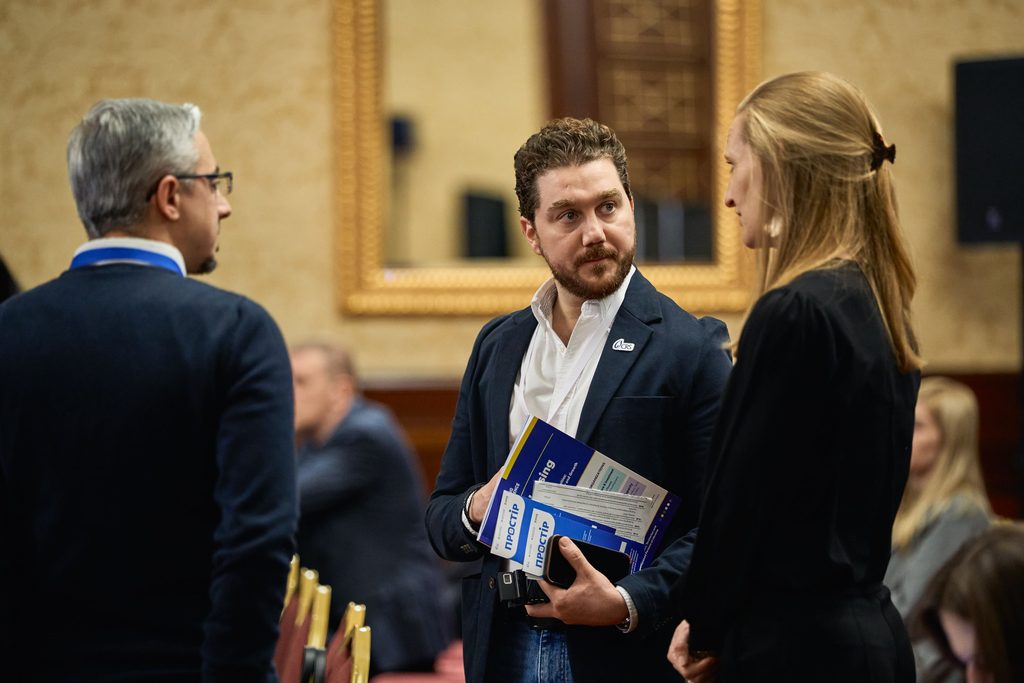
From Immediate Needs to Long-Term Solutions
During the session, participants were introduced to the experience of the “Human-Centred Housing Solutions and Systems Strengthening for Sustainable Recovery” (PROSTIR) project, implemented by Caritas Ukraine in the Skorokhodove and Kotelеva communities of Poltava Oblast, in partnership with Catholic Relief Services (CRS), Caritas Poltava and the Housing Institute.
The project serves two communities with a combined population of approximately 22,000, providing direct housing assistance while strengthening local housing systems. Its activities include comprehensive assessments of residents’ housing needs, housing stock inventories, rental assistance, improvements in housing energy efficiency, the development of local housing strategies and the preparation of investment projects.
A preliminary housing needs assessment in the Skorokhodove community has highlighted the importance of developing solutions that take into account residents’ immediate housing needs, their financial circumstances and their ability to remain in the community over the long term.
“Providing someone with housing today does not necessarily mean that their housing needs have been addressed in the long term. We may be able to help a family pay their rent for several months, but what happens when that support ends? Will they be able to afford their accommodation independently? Will they have the opportunity to remain in the community? This is why we need to move beyond individual assistance measures towards integrated housing solutions that consider not only people’s needs, but also the resources and capacities available within the community itself,”emphasised Iryna Noha, Head of the Housing Solutions Programme at Caritas Ukraine.

Government, Communities and International Partners: Roles and Responsibilities
Pavlo Frolov, Member of the Ukrainian Parliament, contributed to the discussion on the role of national housing policy and the mechanisms needed to transform local housing initiatives into long-term programmes. The discussion focused on financing, the roles and responsibilities of local authorities, access to reliable data, and building institutional and management capacity.
“Territorial communities play an exceptionally important role in implementing housing policy, as it is at the local level that people’s needs are identified and where communities are best placed to respond to them. The role of the state is to establish a coherent strategic framework that enables communities to make effective use of available resources and implement systemic housing solutions. It is essential that every decision is based on reliable data, an assessment of actual needs and the transparent use of resources,” said Pavlo Frolov.

Alina Moskalenko, Director of the Housing Institute NGO, focused on the practical aspects of housing planning. The discussion explored how housing needs assessments, analysis of available housing resources and local strategies can provide a foundation for concrete projects aimed at delivering affordable and social housing.
“Effective housing policy begins with understanding the actual situation and the needs of people in each community. It is important not only to assess the existing housing stock, but also to identify who needs housing, what resources are available to the community and which solutions would be most effective. Such assessments should form the basis for developing local housing strategies, planning investments and implementing sustainable housing solutions that respond to residents’ real needs,” said Alina Moskalenko.
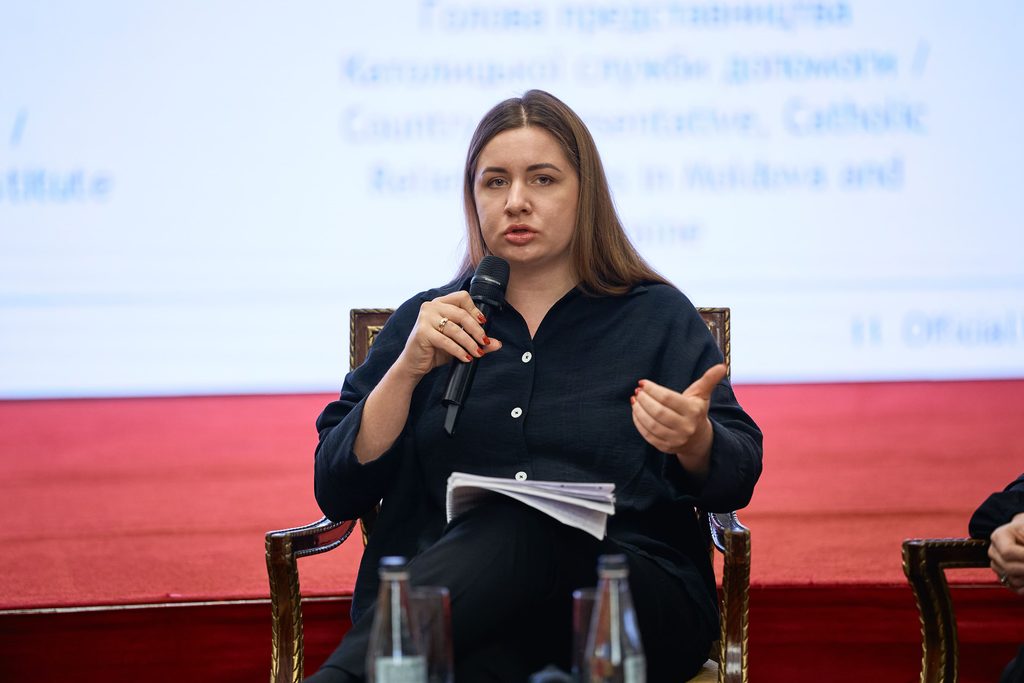
Bronwen Moore, Country Representative of Catholic Relief Services (CRS) in Ukraine and Moldova, highlighted the role of international partners in housing recovery. In particular, she addressed how humanitarian assistance can lay the foundations for long-term housing solutions while strengthening communities’ capacity to set their own priorities and manage housing resources.
“CRS greatly values its partnership with Caritas Ukraine. We have been working with Ukraine since 2017, and following the start of the full-scale invasion in 2022, we significantly expanded our support to respond to people’s urgent needs. At the same time, it is important for us not only to provide immediate assistance, but also to create the conditions for long-term recovery, including in the housing sector. We place particular emphasis on the sustainability of our initiatives, ensuring that their outcomes continue to benefit communities in the future,” said Bronwen Moore.
What Is Needed for Sustainable Housing Recovery?
The approach underpinning the PROSTIR project involves considering three interconnected elements when developing housing solutions: people’s actual needs, the housing and property resources available to communities, and their institutional capacity to manage and maintain housing.
This approach makes it possible to view housing recovery not simply as a collection of individual renovation projects or assistance programmes, but as an integral part of communities’ long-term development.
Implementing this approach requires coordinated efforts by the government, local communities, international partners and civil society organisations. This collaboration is essential to ensuring that housing solutions remain accessible, effective, and sustainable over time.

Tags
More news
“The mystery of encounter”: Caritas Ukraine meets hundreds of evacuees from occupied Oleshky
In late October, hundreds of people were brought out of occupied Oleshky in the Kherson region during a limited ceasefire.
Russian Attack Damages Caritas Building in Kramatorsk
On October 17, 2026, a Russian attack involving guided aerial bombs (KABs) damaged a Caritas building in Kramatorsk, Donetsk region.
Psychological First Aid in simple terms — “Being there for someone when they need it most”
What do you say to someone who has just lost their home? In situations like these, we are often afraid of saying the wrong thing.