


The Return of Ukrainians as a Strategic Driver of Recovery
On 24 June, as part of the Ukraine Recovery Conference 2026 in Gdańsk, the official side event “Rebuilding Ukraine Together: A Coordinated Approach to Return as a Strategic Driver of Economic Recovery and Demographic Resilience” took place.

Бренд і комунікації
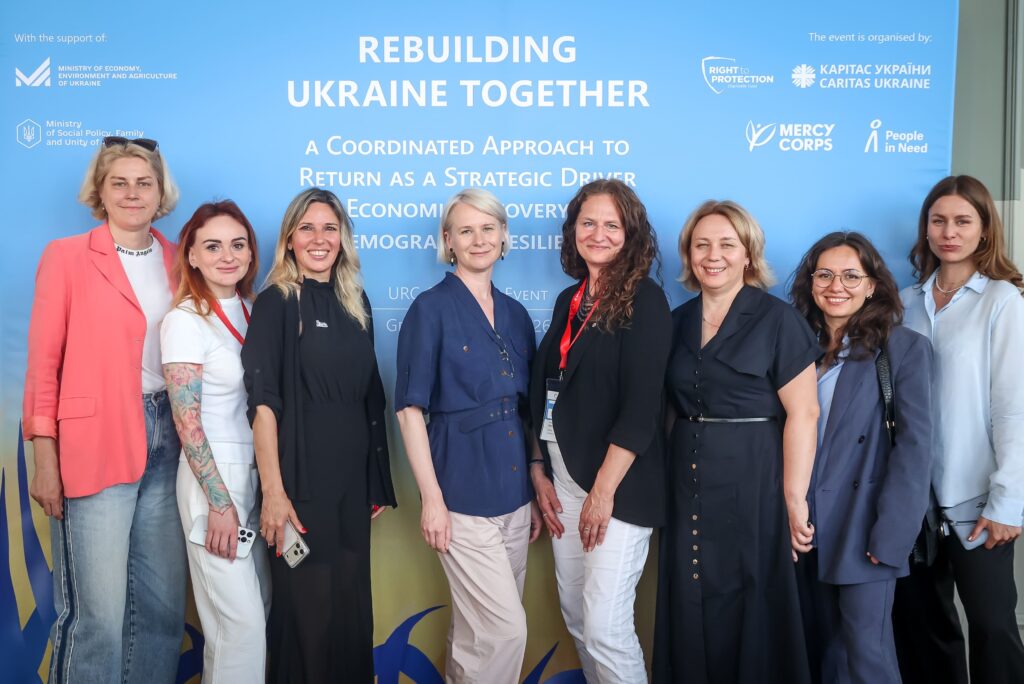
Caritas Ukraine co-organized the event together with the Right to Protection Charitable Foundation, Mercy Corps, and People in Need, with the support of the Ministry of Economy, Environment and Agriculture of Ukraine and the Ministry of Social Policy, Family and Unity of Ukraine.
The event brought together representatives of the Government of Ukraine, the European Union, EU Member States, international organizations, local authorities, civil society, academia, and the private sector. Participants discussed how to develop a coordinated approach to supporting Ukrainian citizens at every stage of the journey—from making the decision to return to successful reintegration into their communities.
At the heart of the discussion was a fundamental question: what truly determines people’s decision to return to Ukraine? People do not simply return to a country—they return to a place where they can access housing, employment, education for their children, essential services, opportunities to join a community, and confidence in their future.
The discussion was moderated by Yevhen Hlibovytskyi, Director of the Frontier Institute.
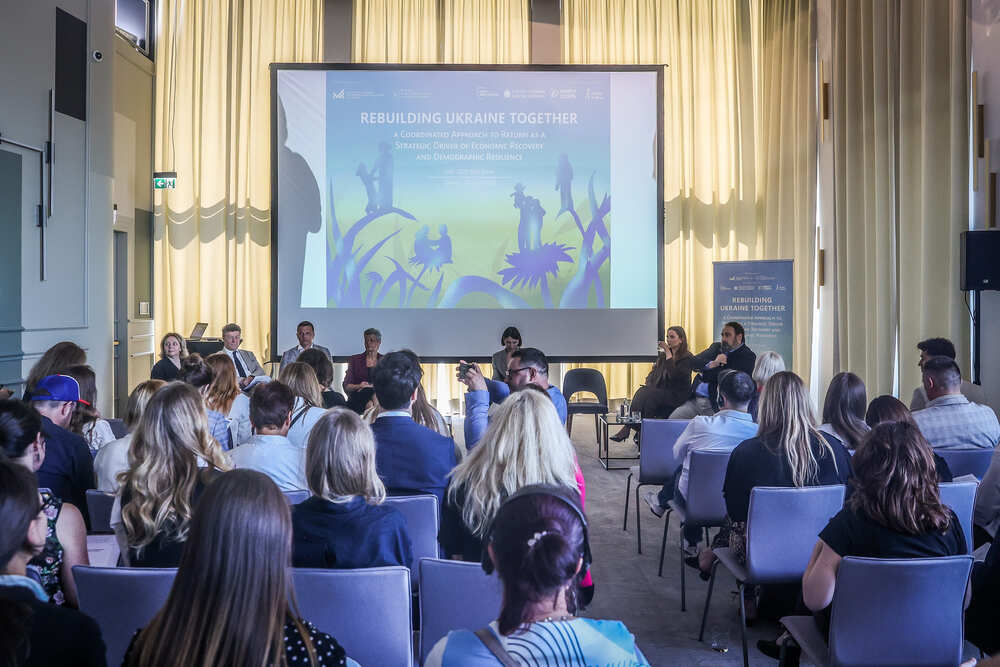
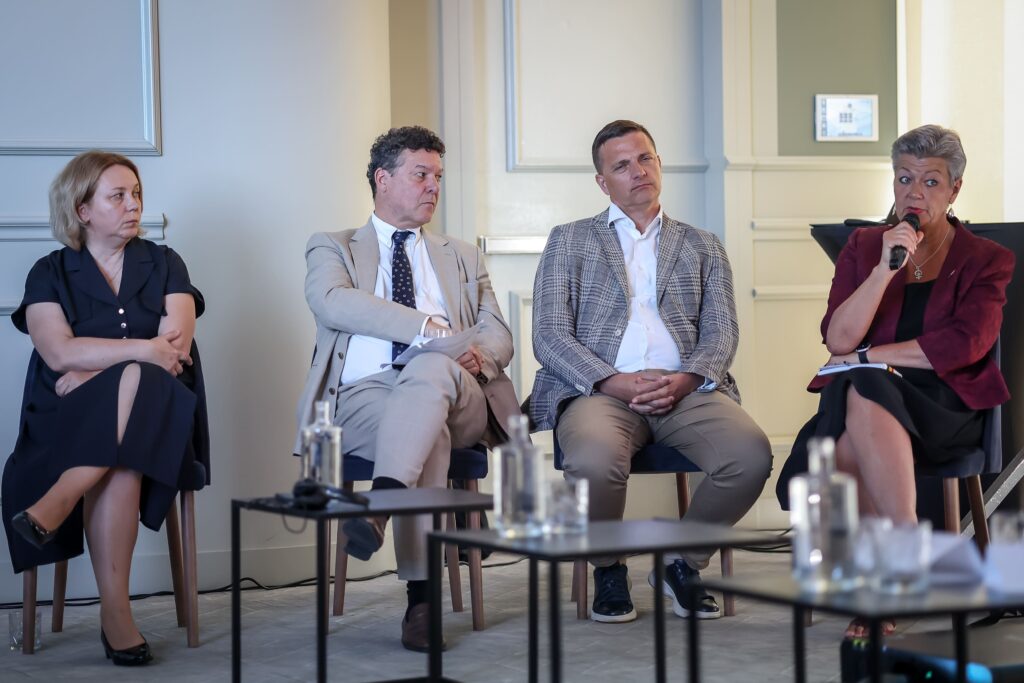
Speakers included Nadiia Kovalchuk, Programme Director at the Right to Protection Charitable Foundation; Dariia Marchak, Deputy Minister of Economy, Environment and Agriculture of Ukraine; Ilona Havronska, Deputy Minister of Social Policy, Family and Unity of Ukraine; Ylva Johansson, EU Special Envoy for Ukrainians; Philippe Leclerc, Director of the Regional Bureau for Europe at UNHCR; Dennis Bazilevych, Director of Government Relations at Nova Post Global; and Sofiia Kochmar, Head of Demographic Projects at the Frontier Institute.
Caritas Ukraine was represented by Tetiana Stawnychy, President of Caritas Ukraine; Iryna Maievska, Head of the Safe Migration and Counter-Trafficking Program; Vasyl Mikula, Head of the Livelihoods Program; and Iryna Noha, Head of the Housing Program.
During the discussion, Tetiana Stawnychy emphasized that this issue did not begin in 2022 for Ukraine. Long before the full-scale invasion, Ukrainians had extensive experience of labor migration, while civil society organizations were already supporting people returning from abroad and facilitating their reintegration.
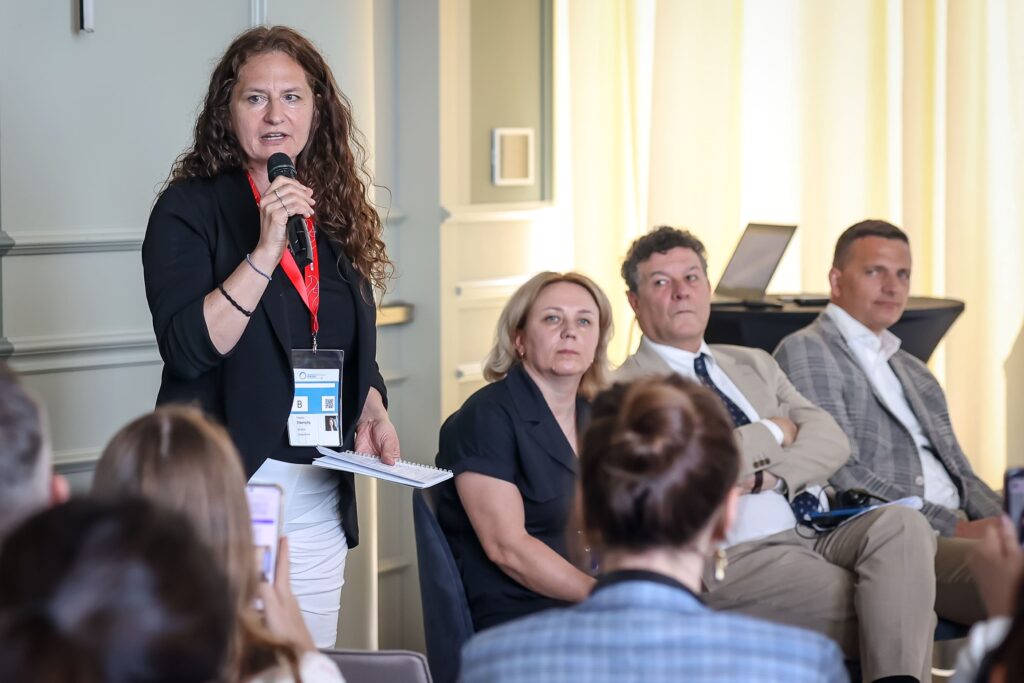
«Caritas is a network of organizations deeply rooted in local communities while also being part of a global confederation. We have been working on the return and reintegration of labor migrants since 2005. That represents twenty years of valuable experience, which should also be taken into account when discussing the return of Ukrainians today.
Since 2022, many of our partners abroad have also been supporting Ukrainians in different countries. As we build a comprehensive reintegration system, it is essential not to lose the expertise already developed by organizations working on the ground. They should become an integral part of a broader ecosystem, connected with Unity Hubs and other Ukrainian initiatives abroad,» said Tetiana Stawnychy.
Iryna Maievska highlighted the strength of the Caritas network and the importance of providing comprehensive support to people wishing to return home.
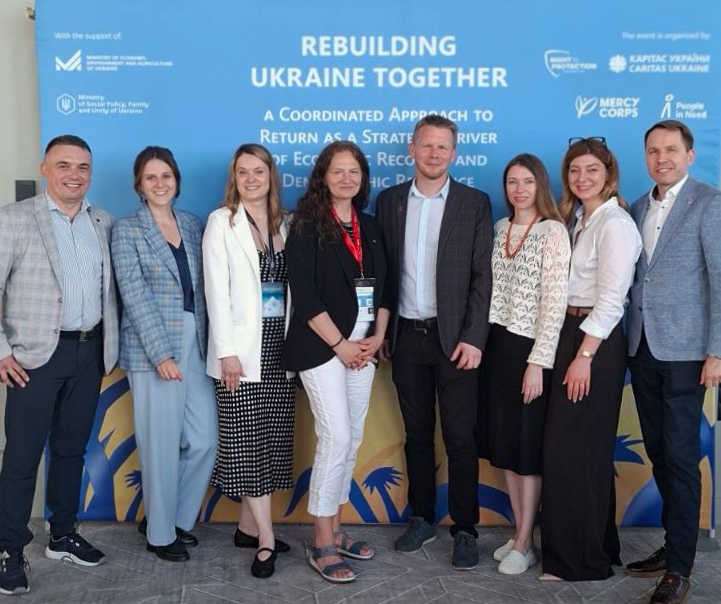
«At this event, Caritas was represented by colleagues from several national organizations—Ukraine, Poland, Belgium, and Germany. Our network is one of our greatest strengths, and we continue to reinforce it to ensure support reaches everyone who needs it. In the context of return and reintegration, we are building partnerships and coordinated systems at different levels so that assistance is timely, comprehensive, and accessible.
The relevance of this work is reflected in the growing number of requests we receive from people seeking support to return home. None of these requests will be left unanswered, because every Ukrainian matters,» said Iryna Maievska.
Another key focus of the discussion was Ukraine’s demographic situation and the conditions required to make return sustainable. Iryna Noha stressed that housing must become an integral part of reintegration and community recovery policies.
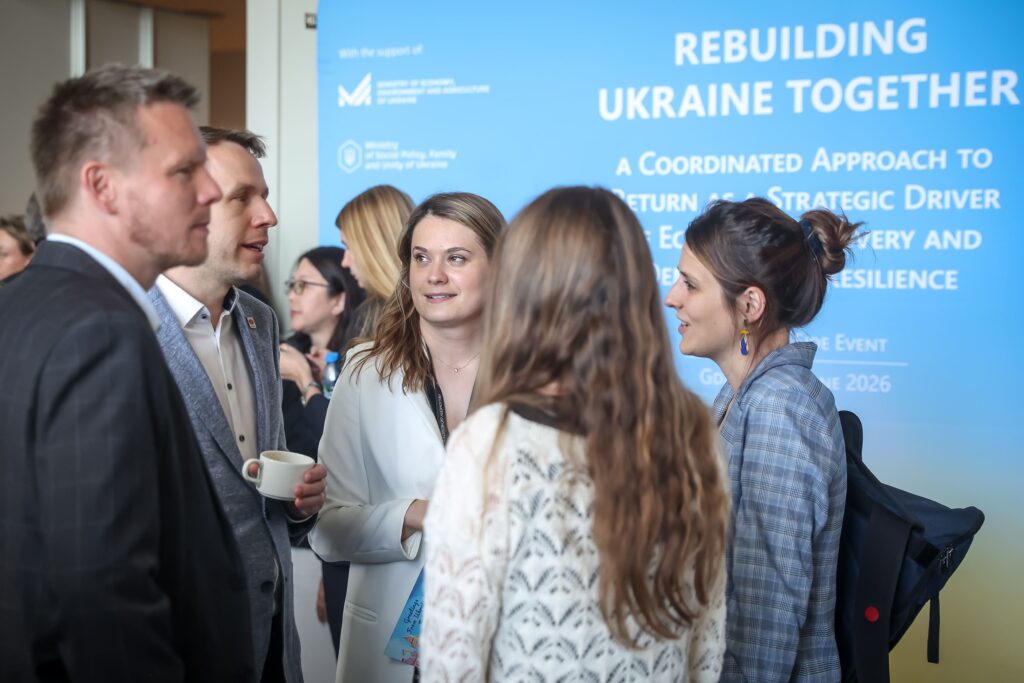
«The Frontier Institute’s research, Who Will Come Back? Ukraine’s Demographic Frame for Return Policy, presented during the discussion, shows that around 29 million people currently live in Ukraine, while more than 4.37 million Ukrainians remain under temporary protection in EU countries, and over 4 million continue to live in temporarily occupied territories.
At the same time, only 43% of Ukrainians abroad are currently considering returning, while 36% do not plan to return for the time being. This demonstrates that return will not happen automatically once the war ends. People make decisions when they clearly understand the conditions they will return to: security, access to housing, quality public services, and prospects for their children.
That is why sustainable housing solutions must become a core component of Ukraine’s reintegration policy and community recovery efforts. By investing in housing, we invest not only in reconstruction but also in preserving and bringing people back to their communities,» said Iryna Noha, Head of the Housing Programme at Caritas Ukraine.
The return of Ukrainians is also directly linked to the country’s economic recovery. It is not only about people’s willingness to come back, but also about ensuring real opportunities for employment, entrepreneurship, and long-term development.
«People’s decision to build their lives in Ukraine depends not only on their desire to return but also on the opportunities available to them here. People return to places where they have access to housing—or the possibility to rent it—as well as employment, education, healthcare, grant opportunities, and transparent conditions for starting and running a business.
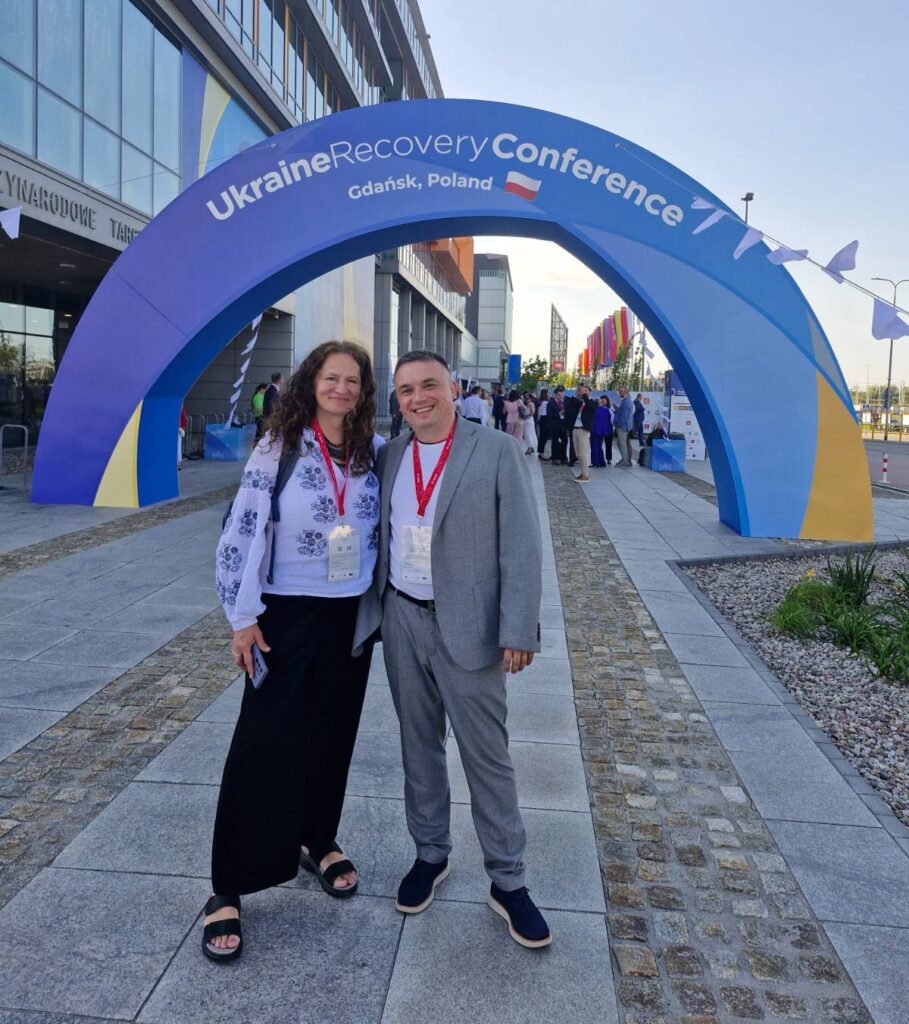
Our task is to continue creating more opportunities for people to build dignified and prosperous lives at home. That is why the Livelihoods Program supports people through vocational training, new professional skills, grant assistance, and mentoring. We will continue working with our partners and joining efforts to support those who need it most in restoring their economic self-reliance,» said Vasyl Mikula, Head of the Livelihoods Program at Caritas Ukraine.
For Caritas Ukraine, this discussion has a strong practical dimension. The organization accompanies people throughout different stages of their journey—from crisis to stabilization, from temporary shelter to durable housing solutions, from unemployment to restored livelihoods, and from isolation to active participation in community life.
We extend our sincere thanks to our partners and all participants for this meaningful discussion. Ukraine’s recovery is impossible without its people. Our shared responsibility is therefore to build systems that enable people to return, reintegrate, work, create, and live with dignity.
Tags
More news
Practical solidarity: Caritas partners meet for Country Forum
On September 23, 2026, representatives of “Caritas Ukraine,” “Caritas-Spes Ukraine,” and their partners held a Country Forum.
When every minute counts, but rushing can put lives at risk
How Caritas Rapid Response teams organise assistance in the aftermath of attacks.
Water through calm and air-raid alerts
Water at the tap depends on an entire system: wells, pumps, electricity, water networks and treatment facilities.