


Where Hope Is Stronger Than War
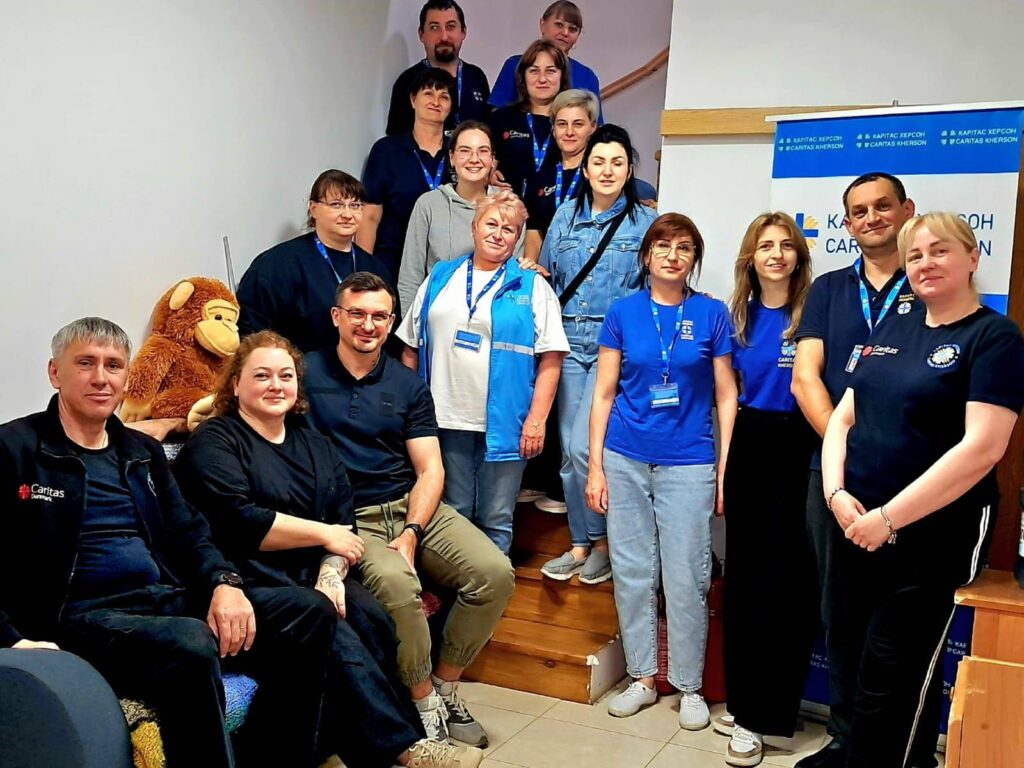
Recently, I returned from a trip to southern Ukraine. Together with colleagues, we visited Zaporizhzhia, Kherson and Mykolaiv regions, where we met with the teams of Caritas Zaporizhzhia, Caritas Kherson, Caritas Beryslav and Caritas Mykolaiv.
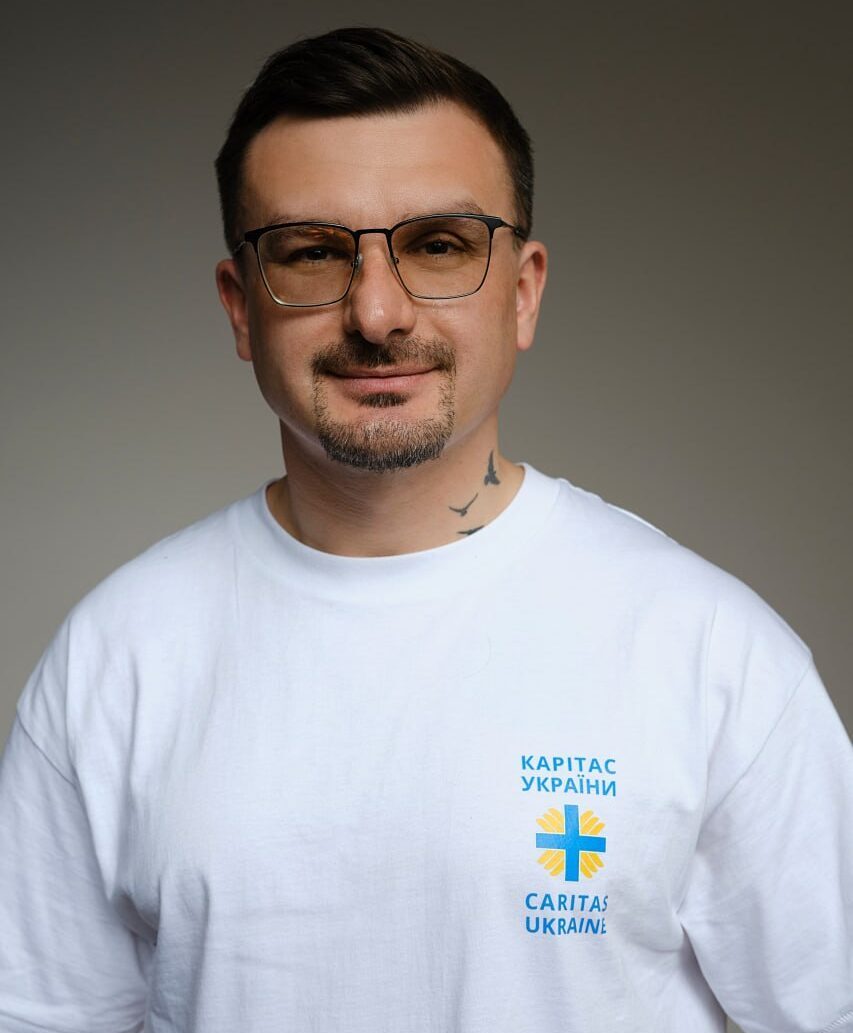
Керівник програми грошової і ваучерної допомоги міжнародного благодійного фонду Карітас України
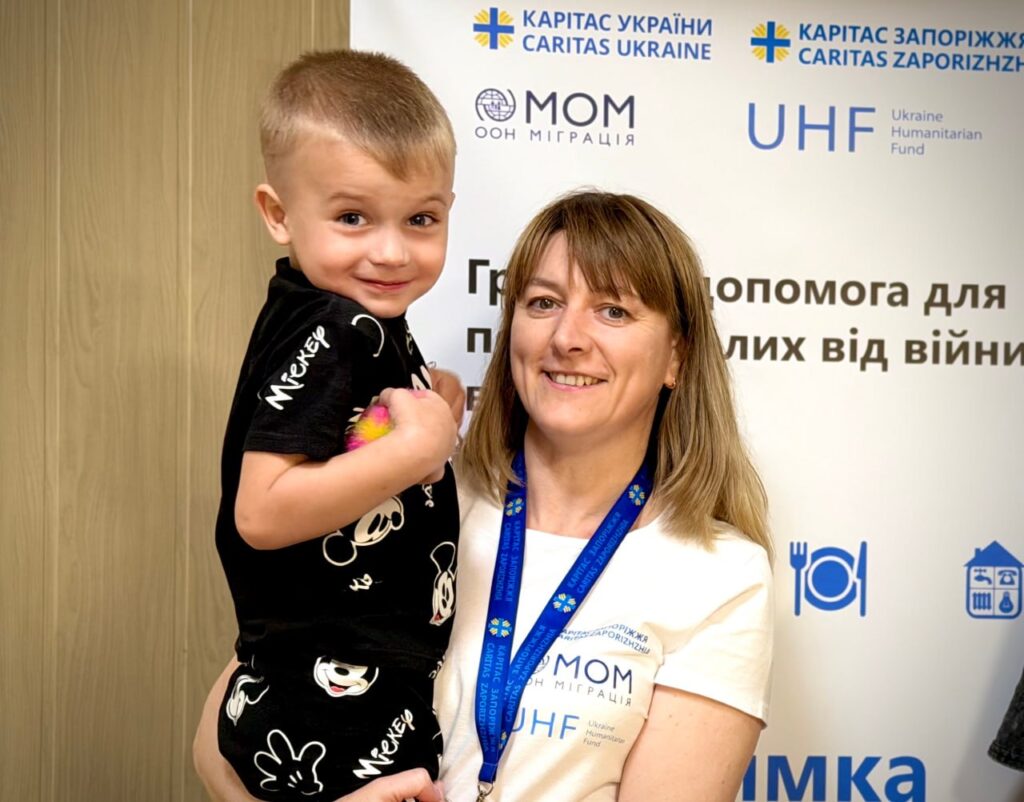
The purpose was to launch a new joint cash assistance project with IOM, supported by the Ukraine Humanitarian Fund, for people most affected by the war.
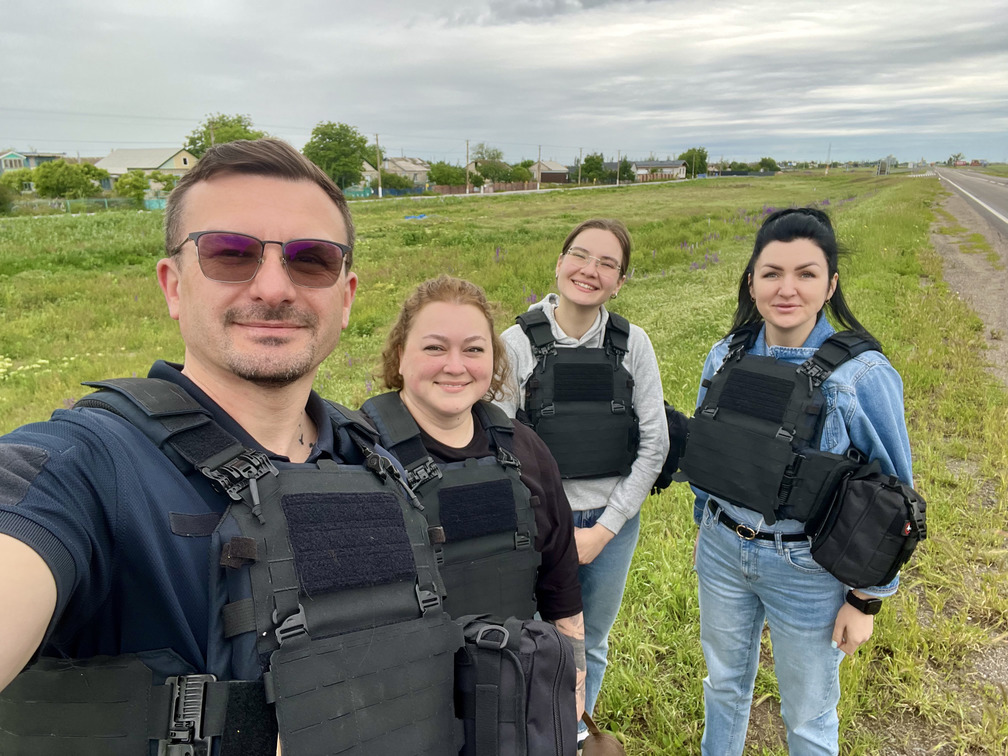
However, we returned home not focused on project indicators or implementation plans, but on the people behind them.
Southern Ukraine today is a land of contrasts. Boundless steppes and red poppies stand alongside houses with shattered walls and destroyed roofs. The bright summer sky is crossed by drones. On the roads, anti-drone nets have become as familiar as road signs.
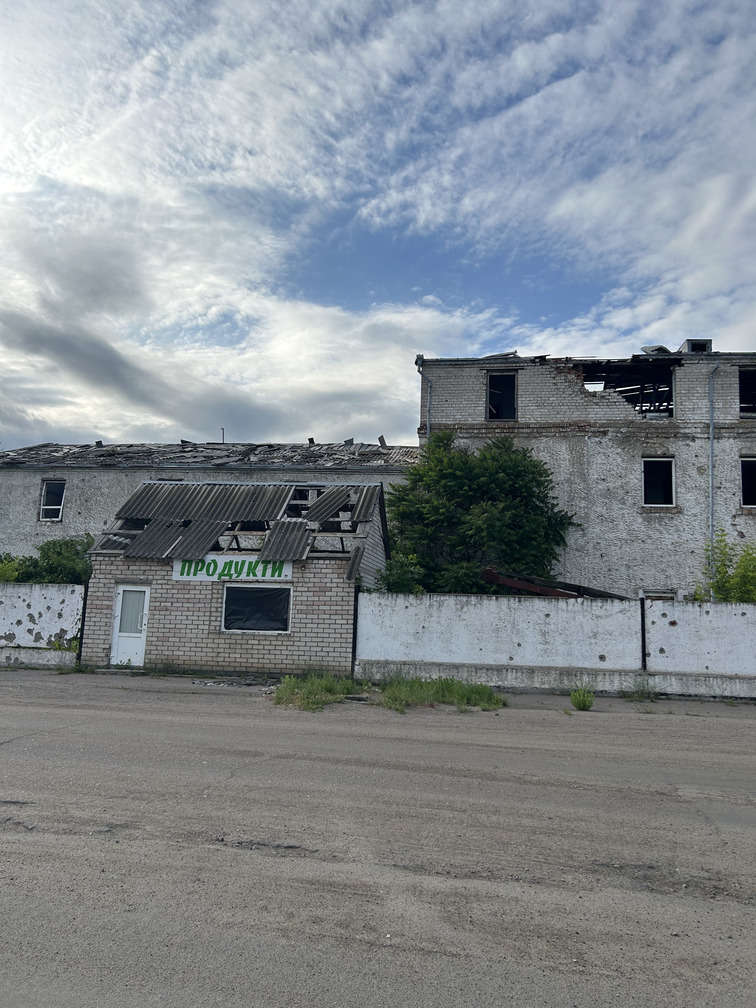
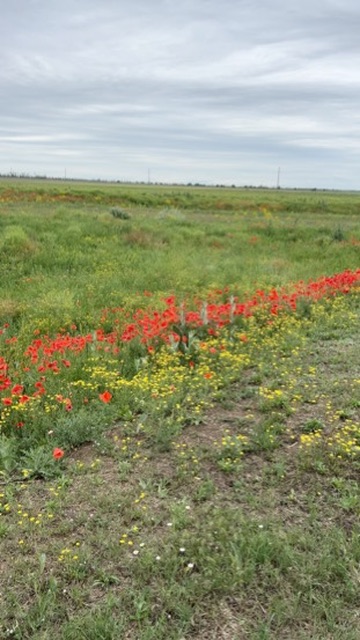
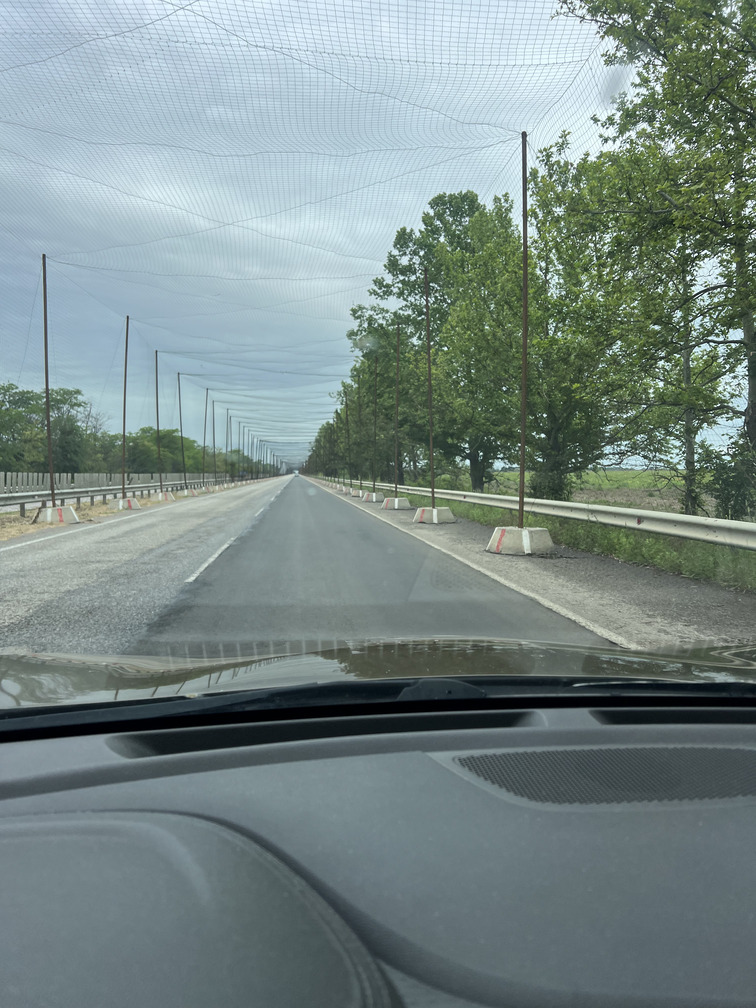
We saw schools, hospitals and residential buildings left without windows, roofs or even entire walls. We saw settlements where traces of hostilities are visible at every step. At the same time, we met people who continue to plant flowers near their homes, tend their gardens, welcome guests and plan for the future.
One of the most emotional visits was to Velyka Oleksandrivka in Kherson region. We listened to stories of people who lived through the occupation. Eight months without regular access to food, medicine or communication with the outside world. Eight months of fear and uncertainty.
One woman spoke about that time very calmly, almost without emotion. Then she shared: “I dreamed about a meat sandwich.” This brief phrase is a reminder of how quickly war can change a person’s life. How simple dreams become when survival depends on the most basic needs.
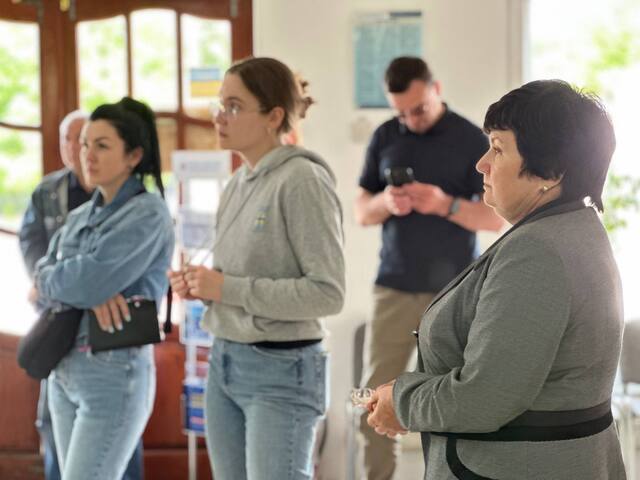
We heard stories about the loss of loved ones. About evacuation under shelling. About people who risked their lives to reach a shop or a pharmacy. About those who did not survive to receive assistance or have a chance to leave.
At the same time, we witnessed extraordinary strength.
The strength of local Caritas staff who work in communities every day under constant threat of shelling. The strength of volunteers who know almost every family in their settlement. The strength of residents who, despite everything they have been through, have not lost the ability to help their neighbours, support one another and find motivation to move forward.
During such trips, you come to realize that humanitarian assistance is much more than figures in reports or project budgets.
Behind every cash transfer there is a real person.
An elderly woman who can buy essential medicines.
Parents who can purchase food for their children.
A family that has just evacuated and is starting life from scratch.
A person whose home was damaged by shelling and who is trying to restore at least part of a normal life.
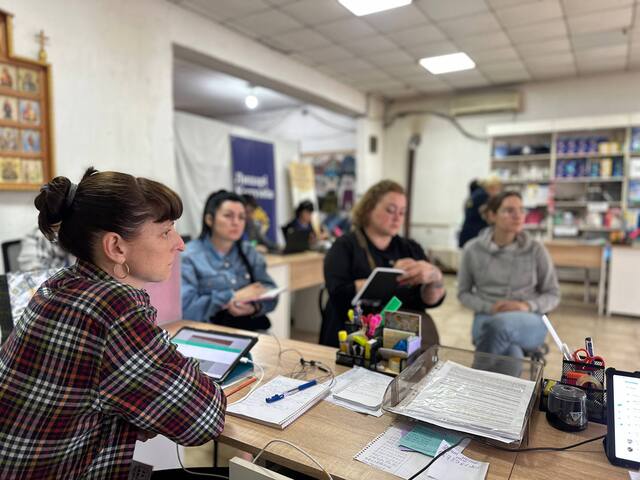
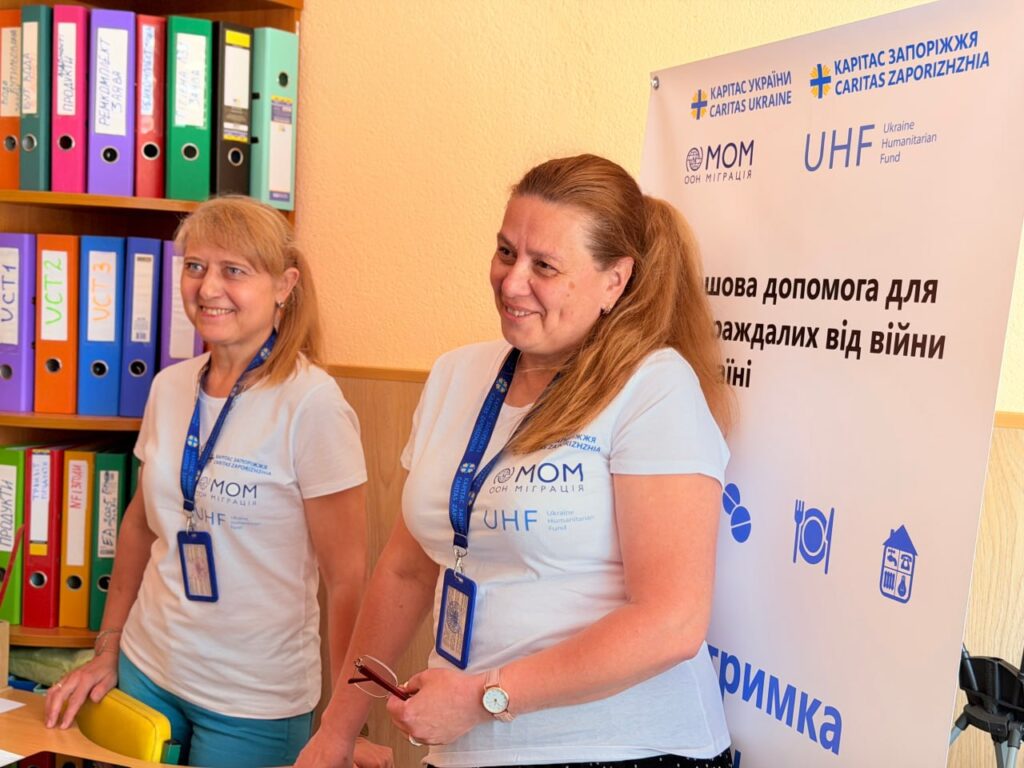
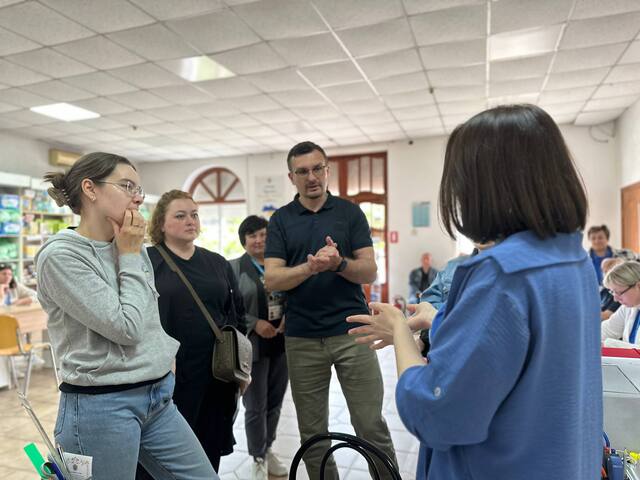
It is for such people that the Unified Cash Transfers programme, which we are launching together with IOM, was created. It is aimed at supporting residents of frontline communities, newly displaced families and households directly affected by shelling. This assistance cannot eliminate the consequences of war. It will not return lost homes or heal all wounds. But it gives people the opportunity to decide for themselves what they need most and provides the resources to get through a difficult period with dignity.
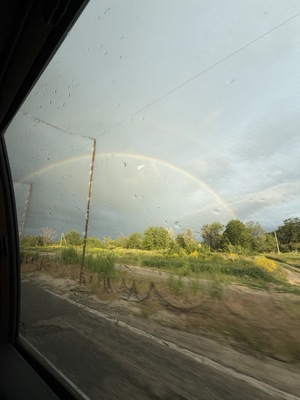
Perhaps the most symbolic moment of our trip happened on the way to Velyka Oleksandrivka. We were driving under anti-drone nets that have become part of the local landscape. The sky was overcast after the rain. Suddenly, a rainbow appeared above the road. It stretched over land that has endured occupation, shelling, loss and pain. That moment, it felt like a very precise metaphor for everything we had seen over those few days.
The war has left deep scars in southern Ukraine. It has changed the lives of thousands of people. It reminds of itself every day through the sounds of explosions, destroyed buildings and stories of loss.
But it has not taken the most important things.
Humanity.
Mutual support.
Faith.
Hope.
That is why, after this trip, we returned with a strong conviction: despite all the challenges, southern Ukraine stands not only because of humanitarian assistance, international support or the work of local organizations.
It stands thanks to its people.
People for whom hope is still stronger than war.
Tags
More news
Practical solidarity: Caritas partners meet for Country Forum
On September 23, 2026, representatives of “Caritas Ukraine,” “Caritas-Spes Ukraine,” and their partners held a Country Forum.
When every minute counts, but rushing can put lives at risk
How Caritas Rapid Response teams organise assistance in the aftermath of attacks.
Water through calm and air-raid alerts
Water at the tap depends on an entire system: wells, pumps, electricity, water networks and treatment facilities.