


When every minute counts, but rushing can put lives at risk
How Caritas Rapid Response teams organise assistance in the aftermath of attacks.

Фахівчиня з комунікацій
After an attack, the clock starts ticking. Information is still coming in, emergency services are already at the scene, and the Rapid Response team — before it has even set off — must answer a series of critical questions: What has happened? Is the area safe? Where is the nearest shelter? How many people may need support, and what equipment will be required?
Who takes responsibility? What does it mean to serve one’s community? And, ultimately, what is each of us prepared to do within our own capacity? Stanislav Fedorchuk, Caritas Ukraine’s Lead Rapid Response Expert, explains how emergency assistance is organised — and what lies behind the decision to help others.
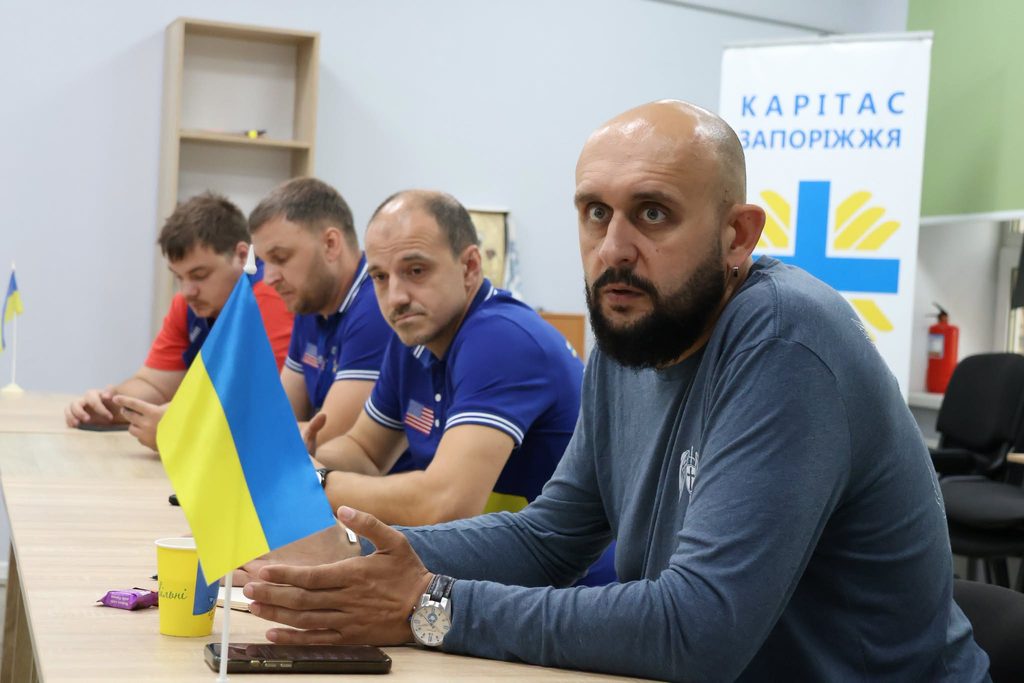
Rapid Response operates under the project “Multi-Sectoral Assistance to War-Affected People in Ukraine”, implemented by Caritas Ukraine and its local partner organisations with support from the U.S. Government. Between July and August 2026, more than 600 people received assistance from local teams following air strikes.
Step one: the alert. Who notifies the team that a response is needed?
When Rapid Response was launched in spring 2026, one of the first priorities was to establish a mechanism for sharing information with government emergency services. Local Caritas organisations signed Memorandum of Understanding with units of the State Emergency Service of Ukraine (SESU), providing details of their teams, available resources and response capabilities.
It soon became clear, however, that relying on a single notification channel was not enough.
Information about an incident may come from SESU, local authorities, military administrations, crisis response centres or designated contact persons. The essential requirement is that the team works with verified information from an official source.
— We expected SESU to be our main source of information. But we soon realised just how important local communities are. Government emergency response relies heavily on local authorities, so we need to establish working relationships with everyone involved, Stanislav explains.
Notification procedures may vary from region to region.
Caritas Kamianske team developed its own step-by-step notification procedure: the relevant services have the coordinator’s contact details, and she initiates internal coordination as soon as an alert is received.
Caritas Chernihiv decided to supplement its regular informal communication with the relevant authorities by introducing a formal notification mechanism through official correspondence.
— We realised something important: we cannot assume that information will always reach us through the same channel. We need to know in advance who is responsible for emergency response in each community — and make sure they know who we are.
The geographical reach of assistance also matters. Larger humanitarian organisations tend to concentrate considerable resources in major cities, while smaller communities may have far fewer sources of support following an attack. Caritas Rapid Response therefore also seeks to reach places where assistance is less readily available.
Step two: the alert has come in. What happens before the team can set off?
— The first decision is about safety. Wanting to help does not give us the right to disregard the risks faced by the people we send to the scene.
The local security manager assesses the situation, considering the nature of the incident, ongoing threats, the proposed route, nearby infrastructure, the availability of shelter and whether the team can work safely. A concise operational briefing is prepared for each response, setting out the verified facts needed to make a decision, without speculation or unnecessary detail.
— First, we assess the risks, check the conditions on the ground and obtain approval for the response. Speed matters in a crisis, but speed without discipline can create another crisis.
Rapid Response aims to provide emergency assistance within 48 hours of an emergency. But speed must never come at the expense of safety: the team sets off only once the risks have been assessed, its readiness confirmed and deployment authorised.
Step three: how does the team decide what to take?
— We need to have a reasonably clear picture of the scale of the incident. If we know that five blocks of flats have been damaged, there could potentially be hundreds of people affected. That changes how we calculate the resources we need. The team works through a checklist to determine what should go in the vehicle.
A Rapid Response kit may include:
- drinking water;
- hot drinks and light, ready-to-eat food;
- a mobile tent;
- a generator;
- lighting;
- power banks and phone-charging equipment;
- equipment for internet access and communications;
- first-aid kits and supplies;
- personal protective equipment;
- equipment for use in cold weather.
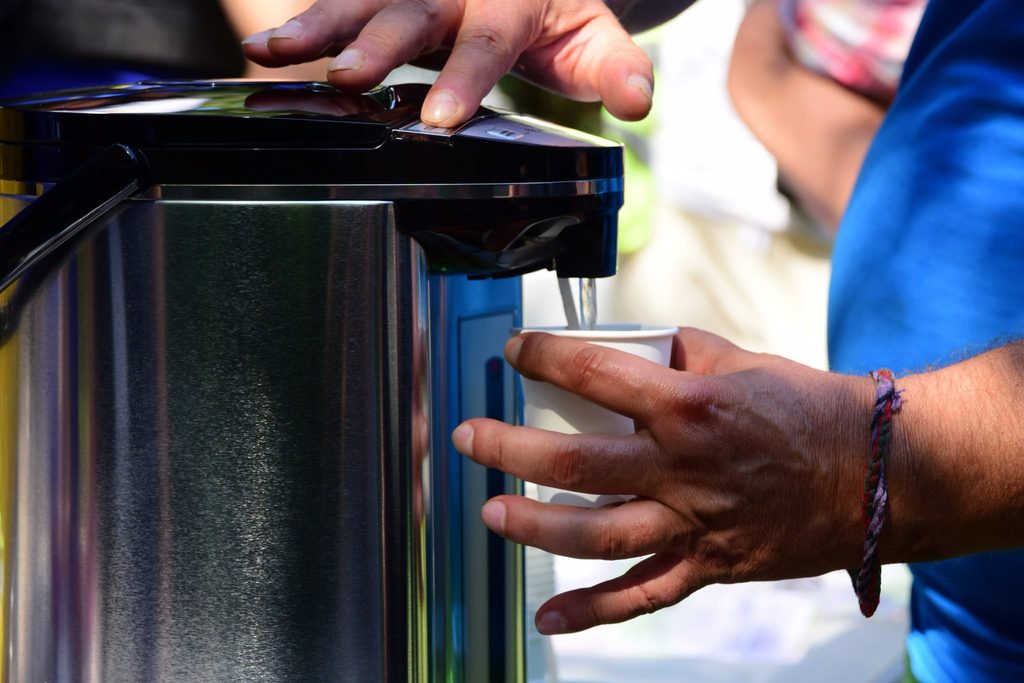
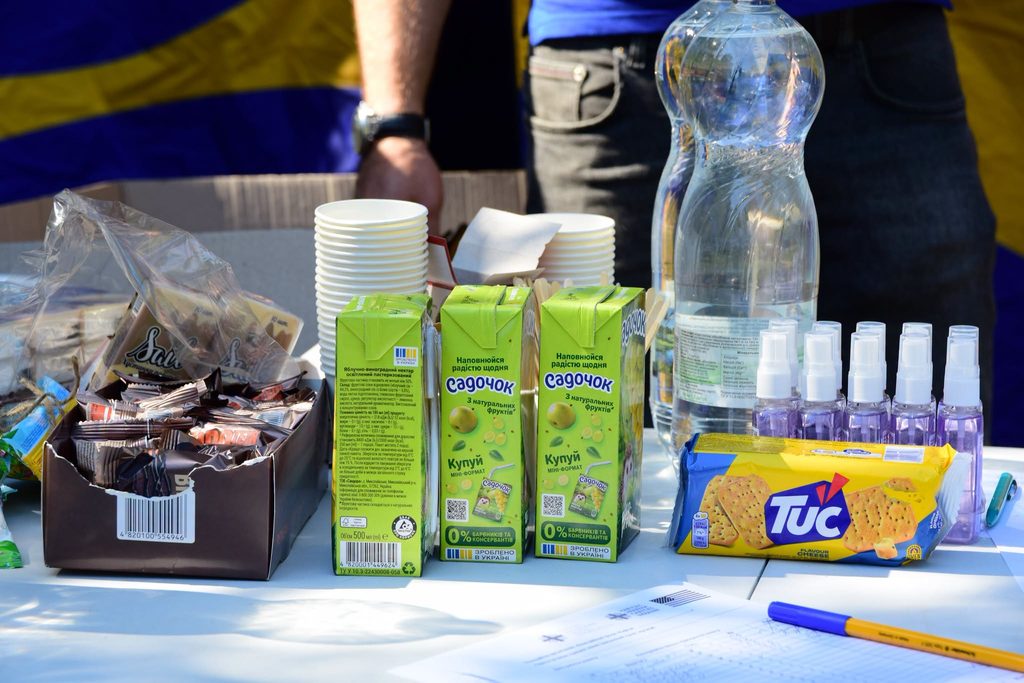
Step four: arrival. Setting up the mobile support point
On arrival, the coordinator’s first priority is safety: identifying a suitable location for the mobile support point and checking where the nearest shelter is.
As the threat of further strikes often remains, the team agrees on a safe working location with the relevant services at the scene. Only then does it set up the mobile support point.
An insulated mobile tent can be ready for use in approximately 5–7 minutes.
In summer, people may spend hours queuing in the heat while waiting to complete paperwork. In winter, those same hours are spent in the cold. A phone battery can run out just when someone needs to call their family, photograph the damage to their home, find important documents or receive an update from the authorities. This is why access to water, warmth, electricity and communications matters so much in the first hours after an attack.
For example, in Zaporizhzhia, following Russian attacks, the Caritas team set up a mobile support point where people affected could get hot drinks and a snack, charge their phones and find out which services and organisations they could contact for further assistance.
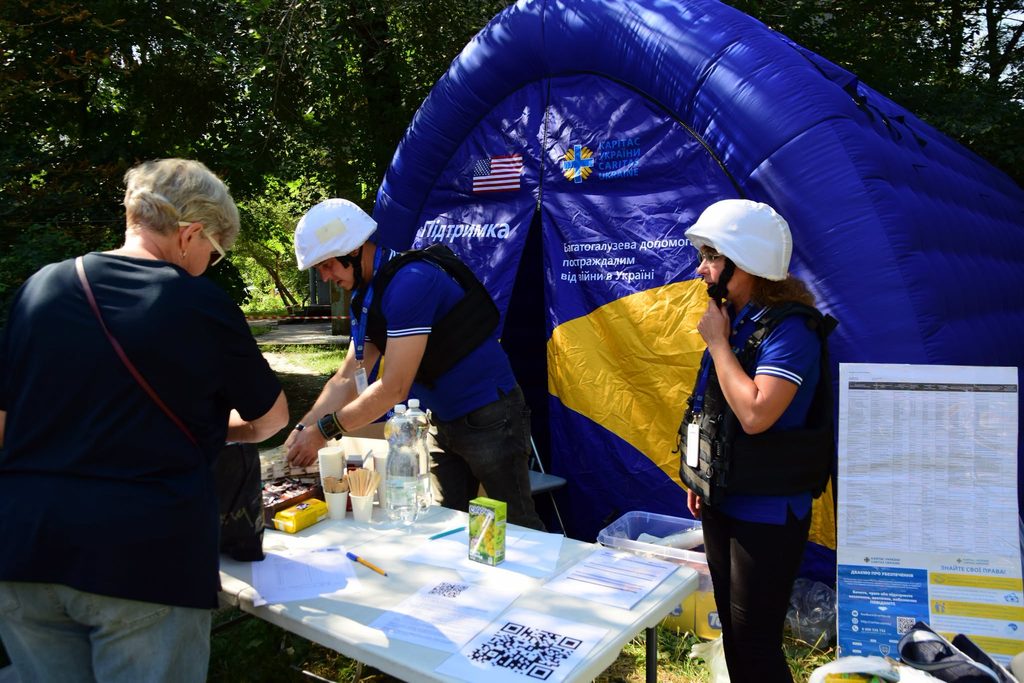
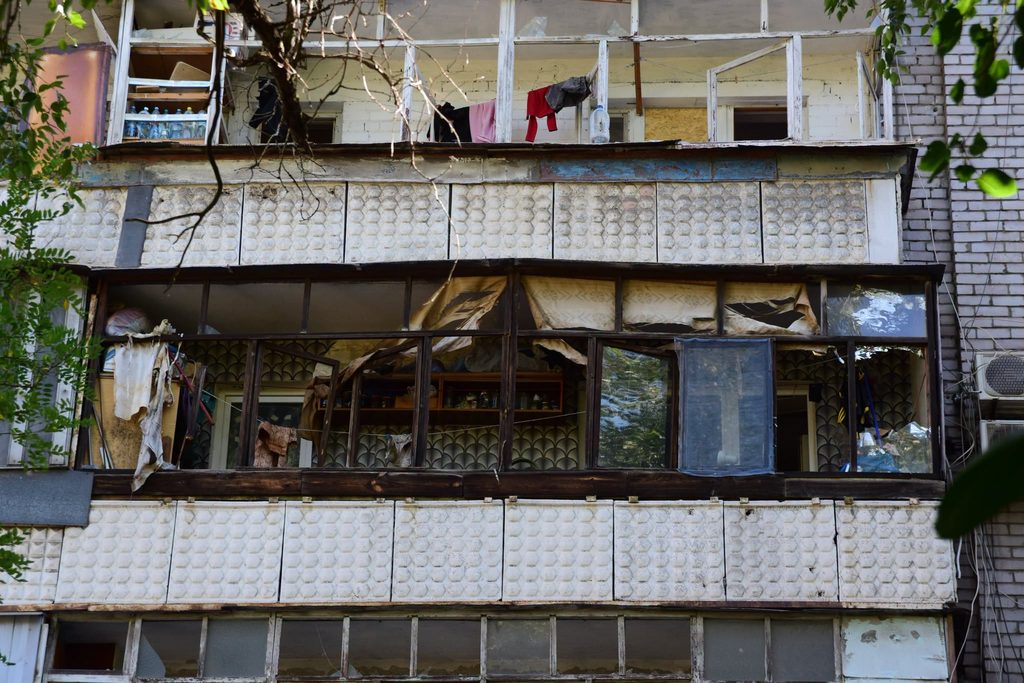
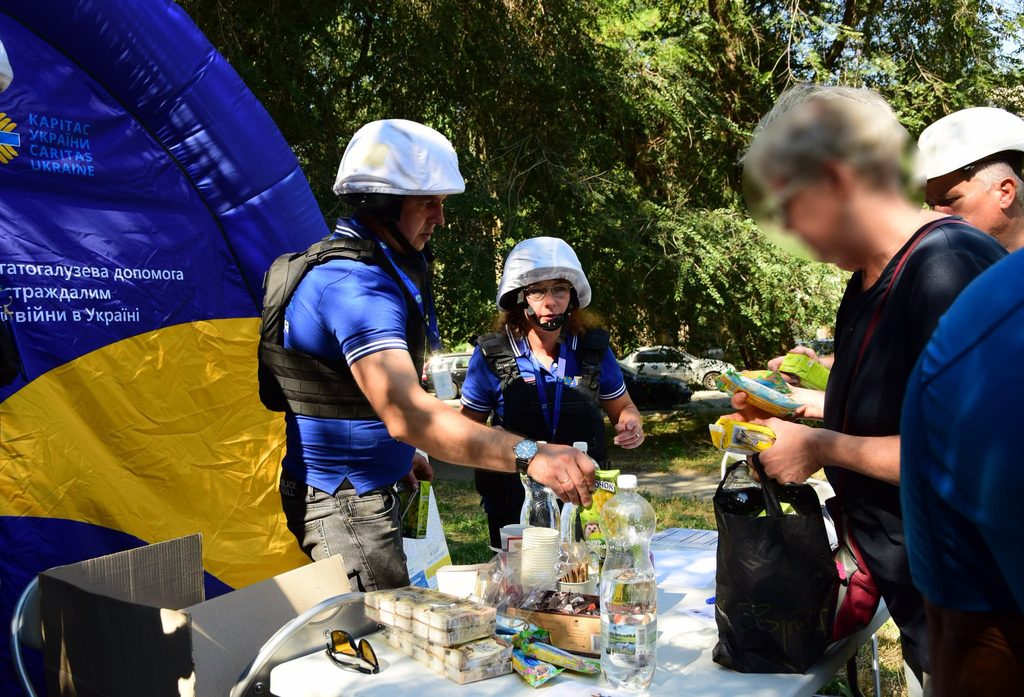
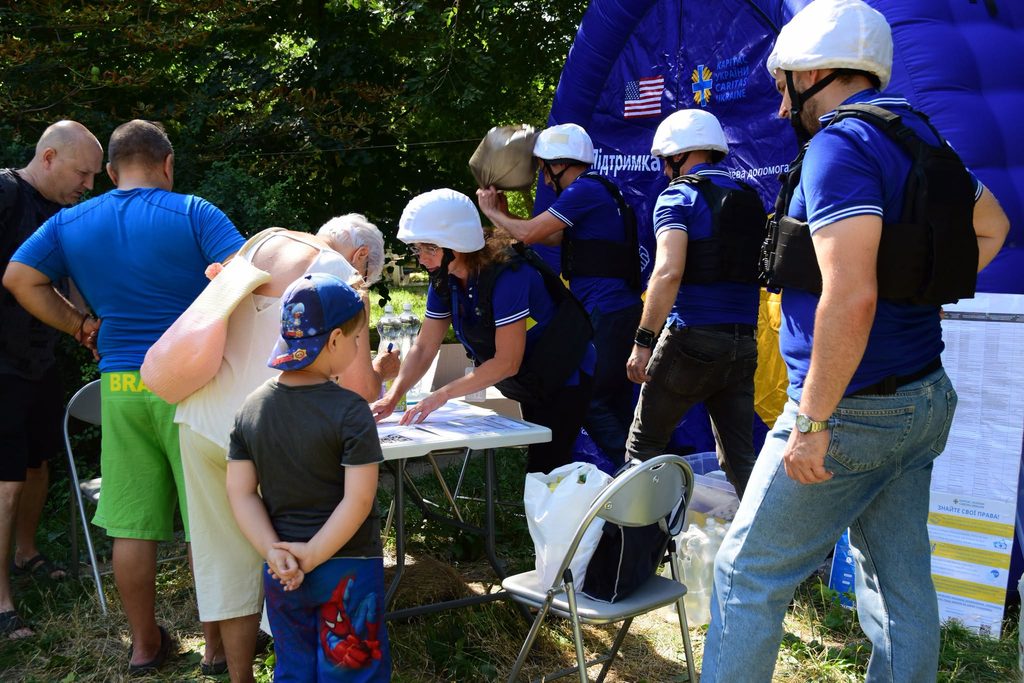
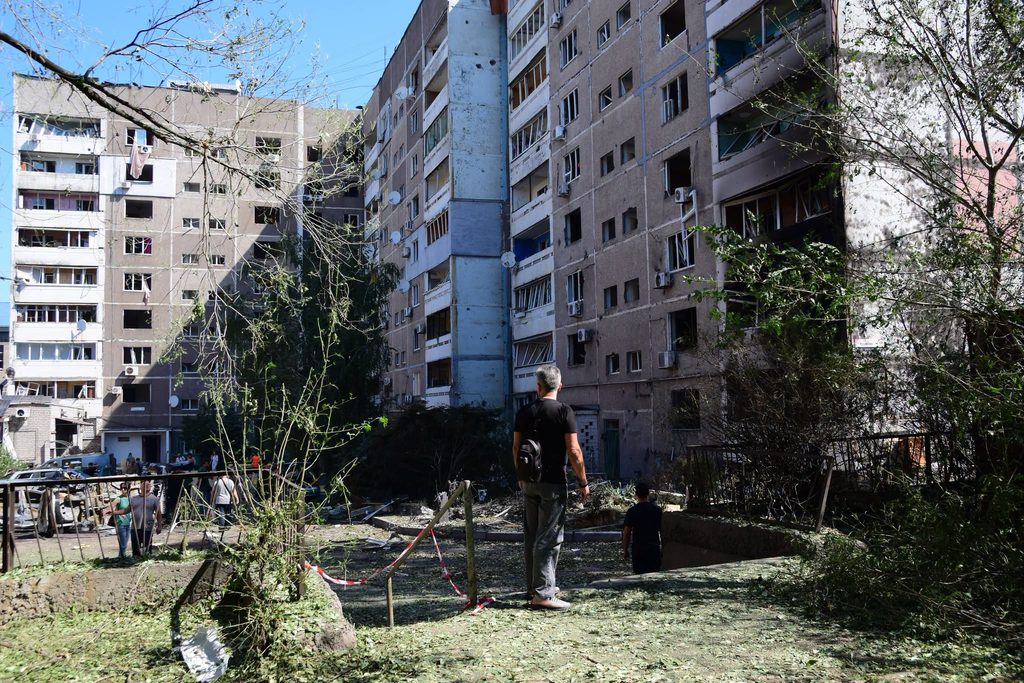
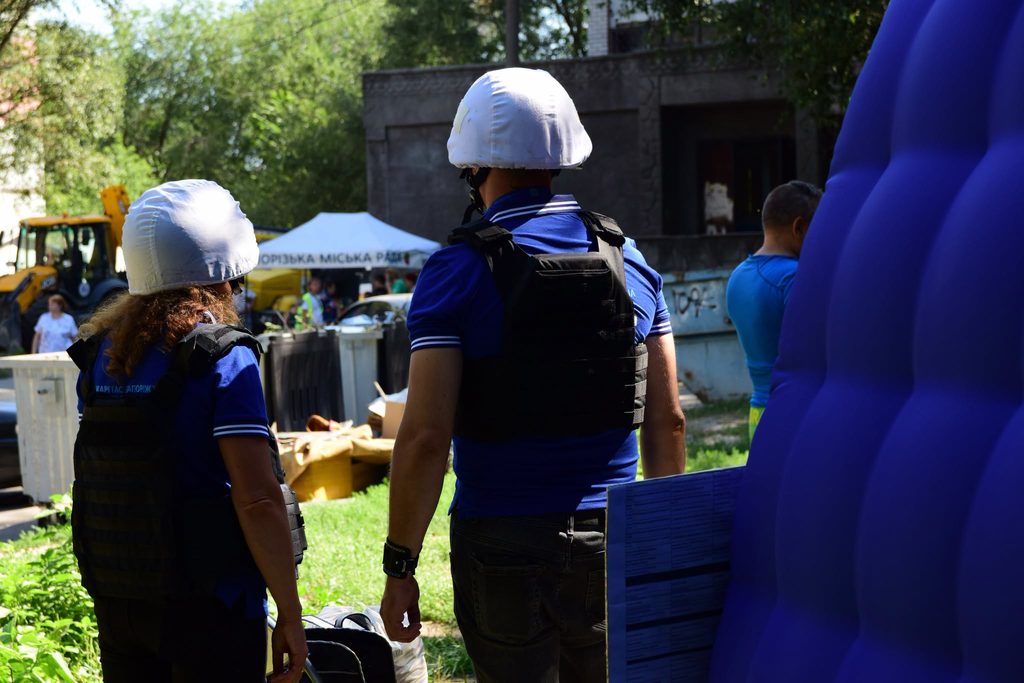
If needed, the mobile support point can also be used by those working for hours in the aftermath of an attack: rescuers, medical personnel, utility workers, police officers and representatives of humanitarian and volunteer organisations.
Step five: support. Why is Rapid Response about more than tea, food and tents?
Material assistance is the most visible part of a mobile support point’s work. But the role of Rapid Response goes much further.
— I tell the team: our main task is not simply to make someone a cup of tea. Of course we will do that. If someone is cold, we will help them get warm. If they have not eaten for hours, we will give them something to eat. But if, afterwards, they are still just as overwhelmed and have no idea where to turn with their particular problem, we have only done part of our job.
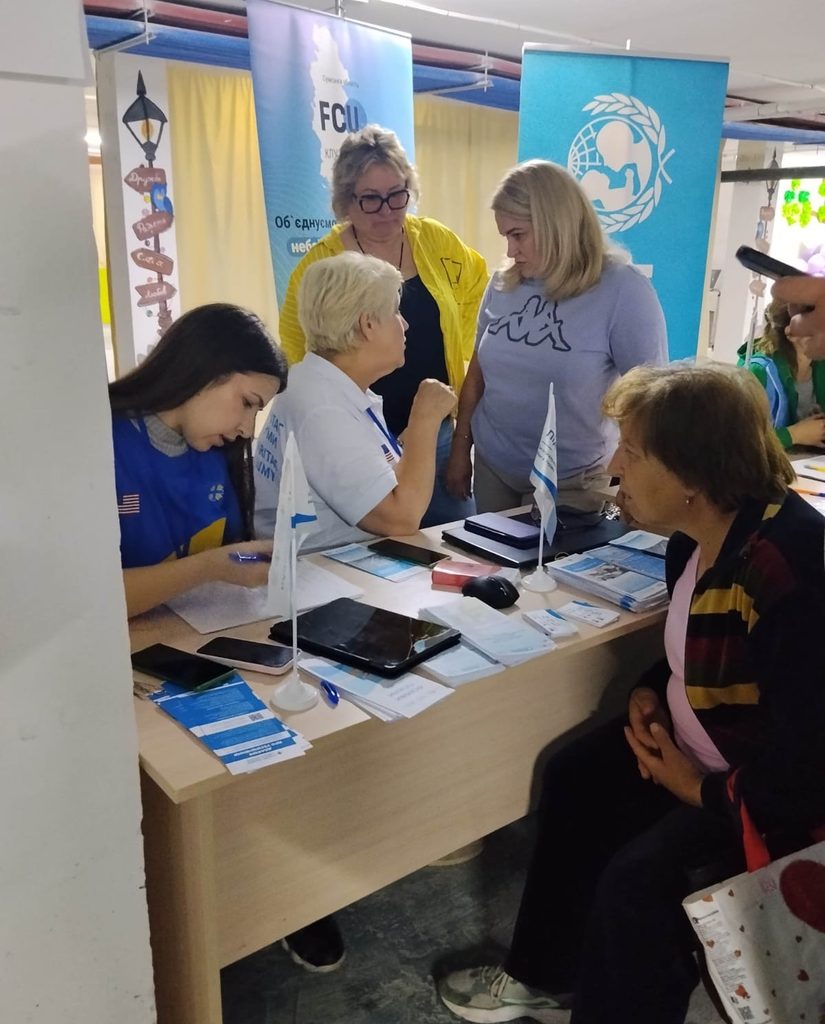
On 2 July 2026, in Kryvyi Rih, following a missile strike on a residential area, the local Caritas Rapid Response team worked near the municipal emergency response centre. In the heat, and with so many people affected, residents spent hours queuing. Some already knew the general procedure for reporting damage to their homes, but still needed support after another attack.
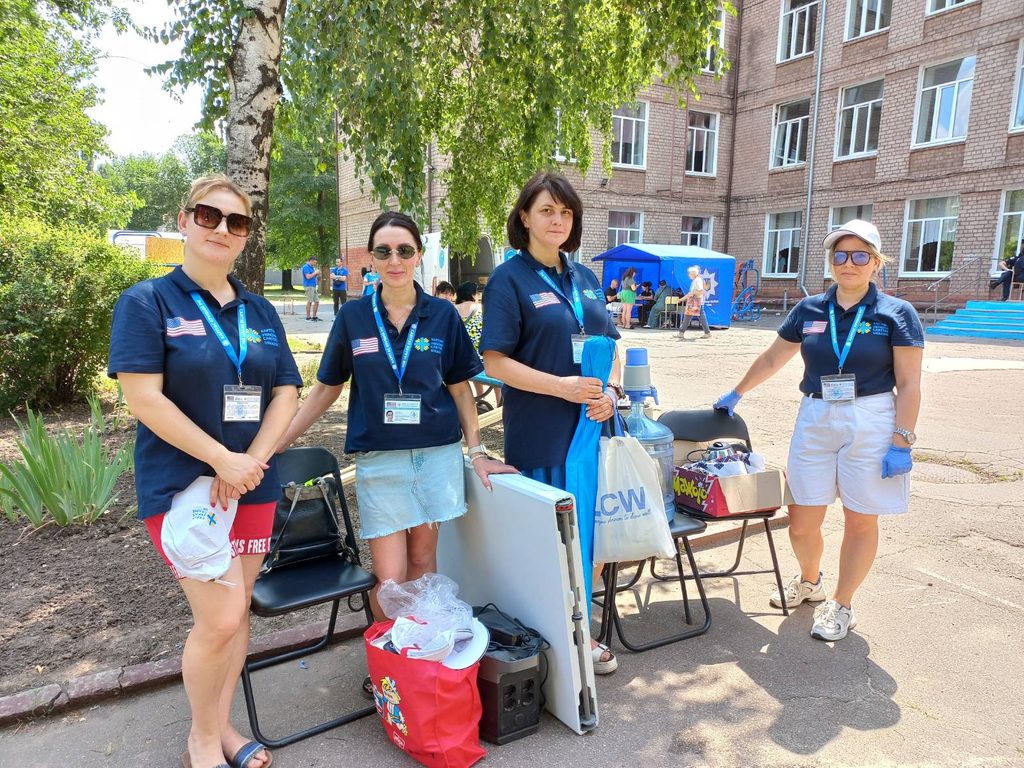
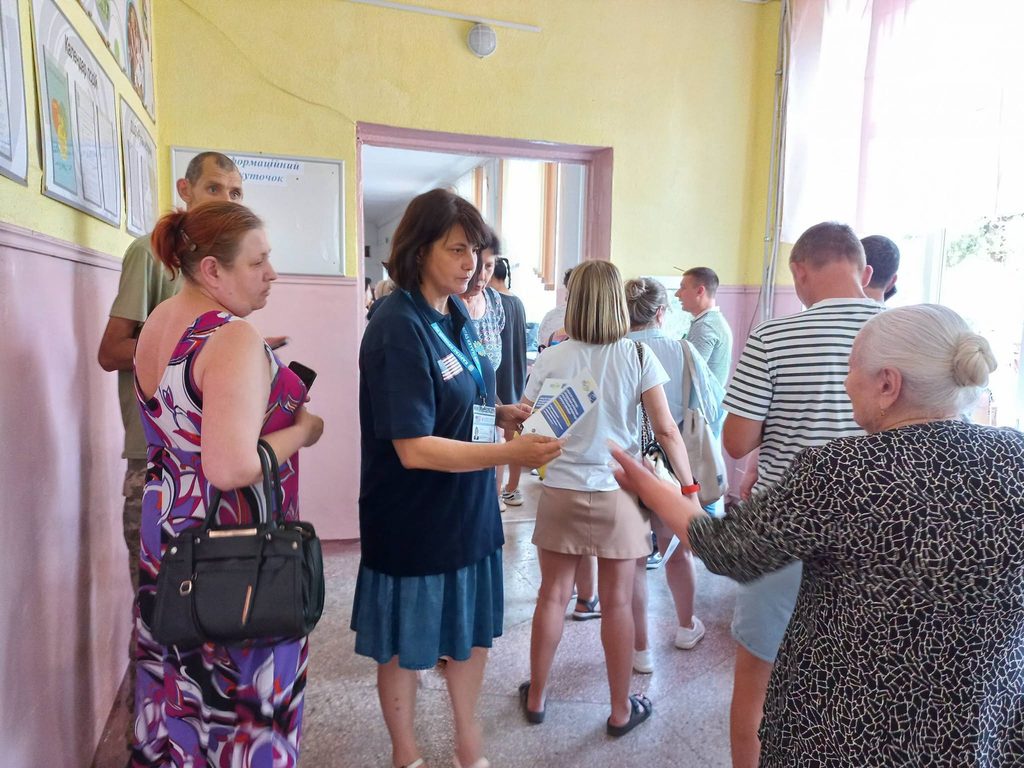
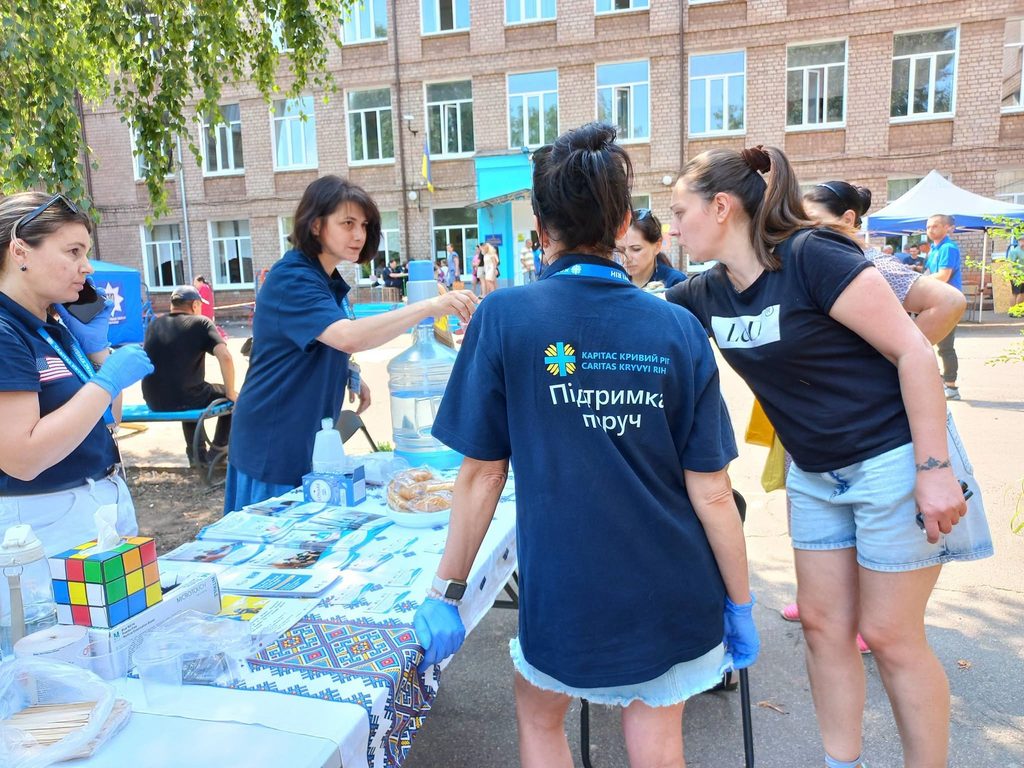
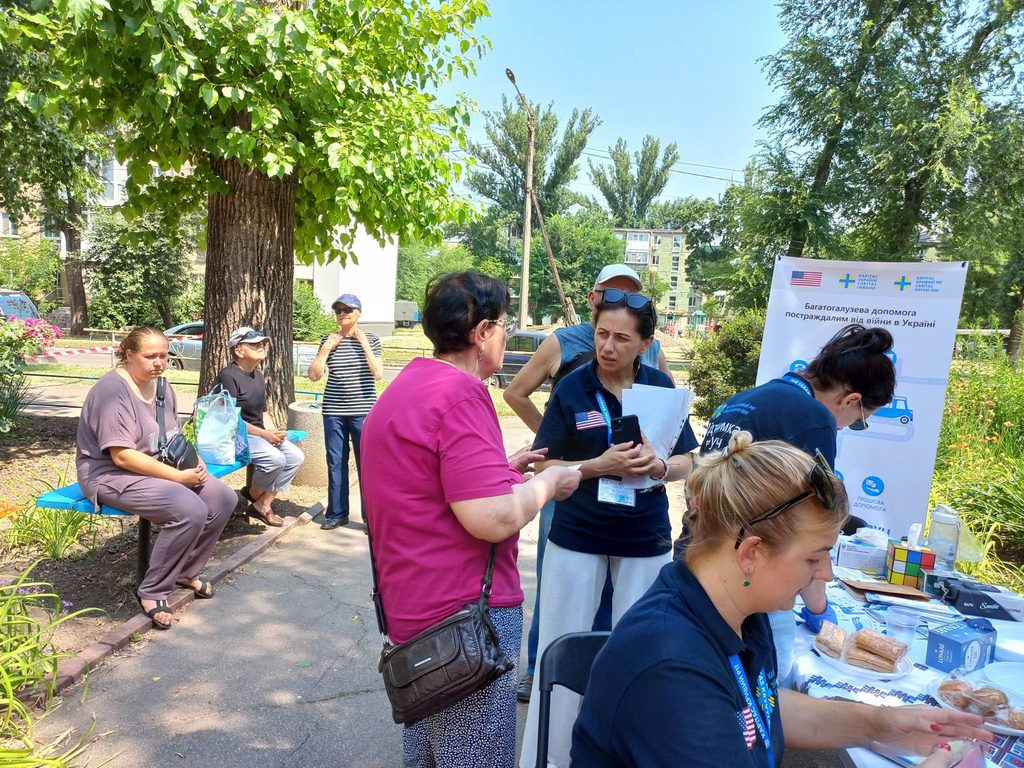
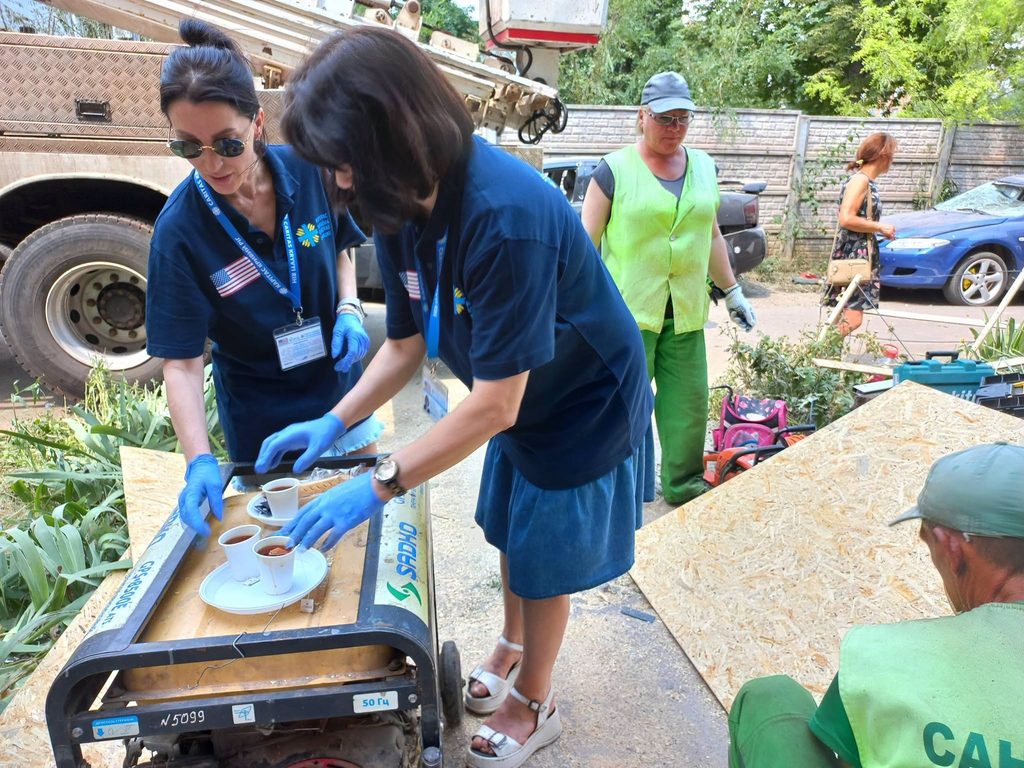
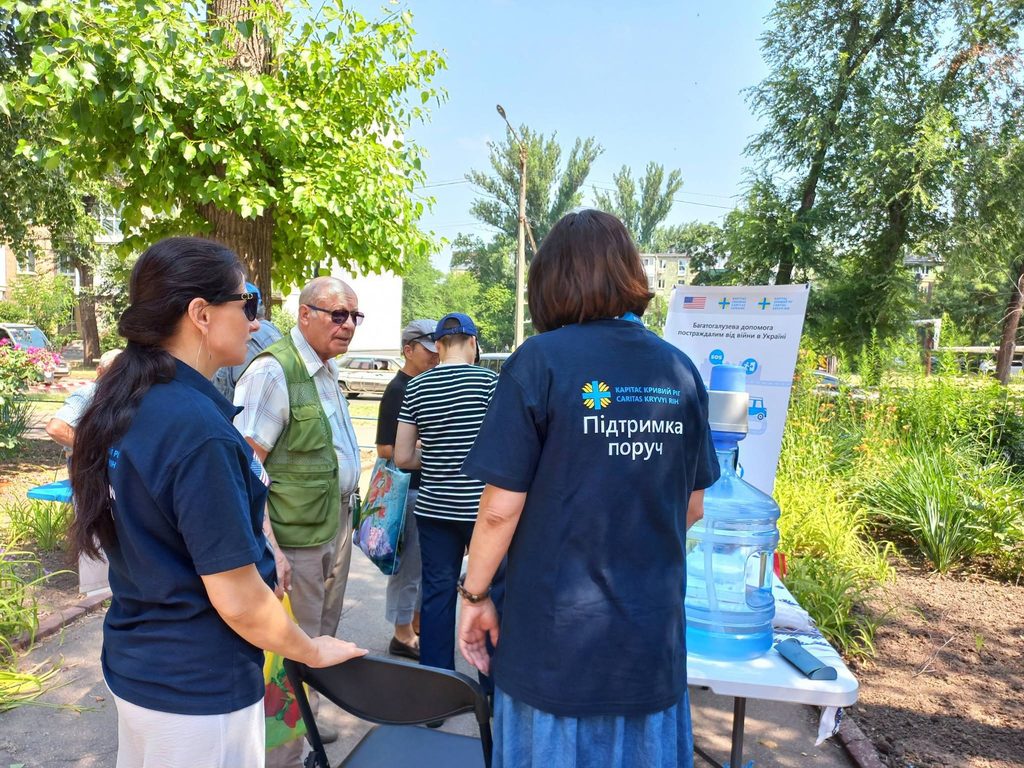
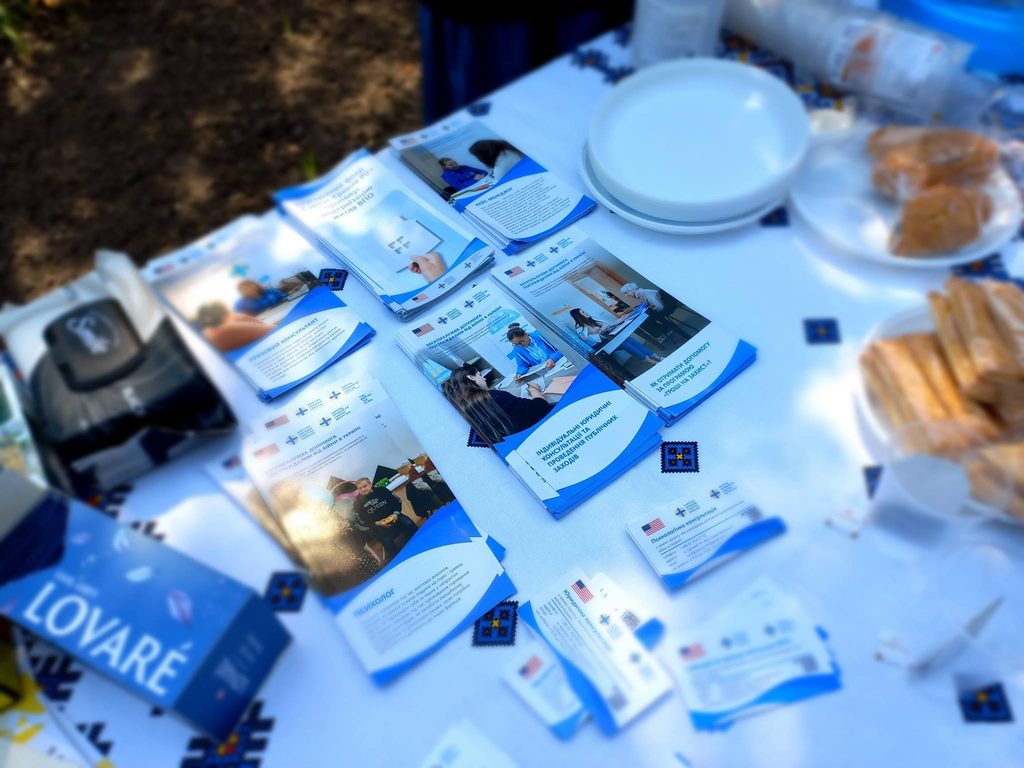
Rapid Response also provides information, practical guidance and psychosocial support. The Caritas team explain what steps to take if a home has been damaged or destroyed, provide information about government and non-governmental assistance programmes, and help people identify which service or programme to approach.
Where needed, individuals may be referred to:
- a Caritas Crisis Centre;
- legal assistance;
- psychological or social support;
- cash assistance programmes;
- other organisations or government services, depending on their individual needs.
— What matters to me is treating each person as an individual. Not seeing people simply as ‘those affected’ and giving everyone the same information, but recognising the person in front of us. Do they understand what they need right now? Are they able to make the necessary phone call themselves? Can they explain their situation? Who exactly are we referring them to? That is what social work is about.
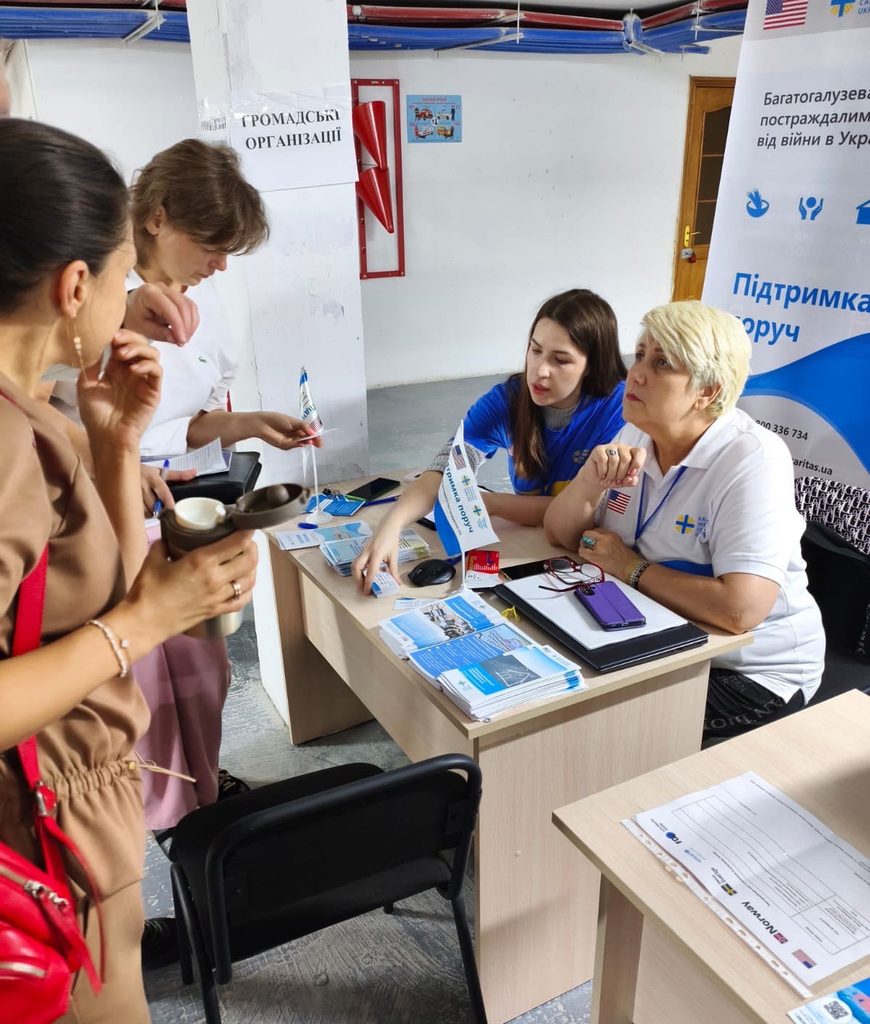
Step six: psychological support. What if someone cannot put their needs into words?
— The first thing is to listen. We must not arrive with ready-made answers. Through conversation, we need to understand how the person is coping, what they are able to do for themselves at that moment and where they need support.
Caritas teams apply psychological first aid principles, for which staff receive specialist training. Their role is not to replace a psychologist, but to establish contact with people affected by an attack, listen to them, identify their immediate needs and, where necessary, refer them to an appropriate specialist.
According to Stanislav, people can respond very differently to a crisis. One person may quickly regain their composure and begin organising others. Another may freeze. Someone else may repeat the same action over and over or struggle to make even a simple decision. There is no single response that applies to everyone.
— Every one of these people has their own situation. One needs information. Another needs crisis counselling. A third needs to charge their phone because they cannot contact their family. And all of this is happening at the same time.
Who can cope with such work?
— The greatest strength of Rapid Response is its people. For me, there is absolutely no question about that.
A local team typically comprises around five people, led by a coordinator. It includes social workers and a driver, with a psychologist and other specialists brought in depending on the circumstances. Some team members have extensive volunteering experience. Others are veterans or former military personnel. Teams in Chernihiv, Kharkiv, Kamianske, Sumy and Mykolaiv, for example, include people who have served in the armed forces.
Experience alone, however, is not enough without regular training.
Teams receive training in:
- psychological first aid;
- first aid;
- safety and security;
- working in high-risk environments;
- engaging with children;
- working with veterans;
- supporting other groups who may need additional attention during a crisis.
Some teams have already completed six or seven training courses. Stanislav has met the teams in person and led practical simulation exercises, during which they set up tents, checked equipment and rehearsed potential response scenarios.
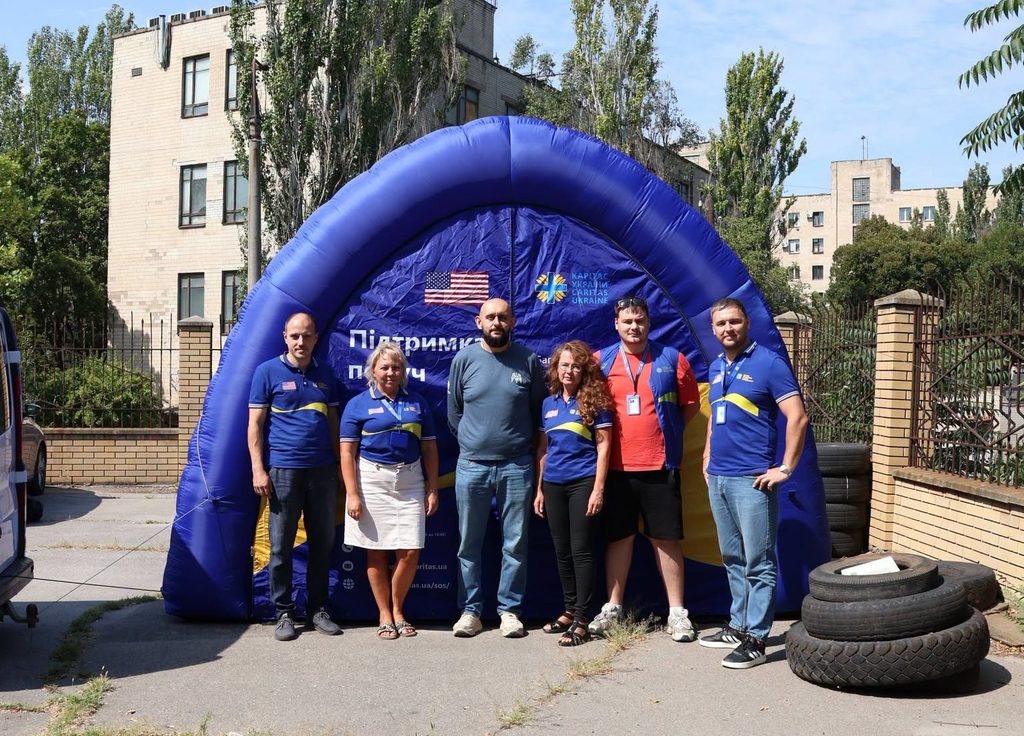
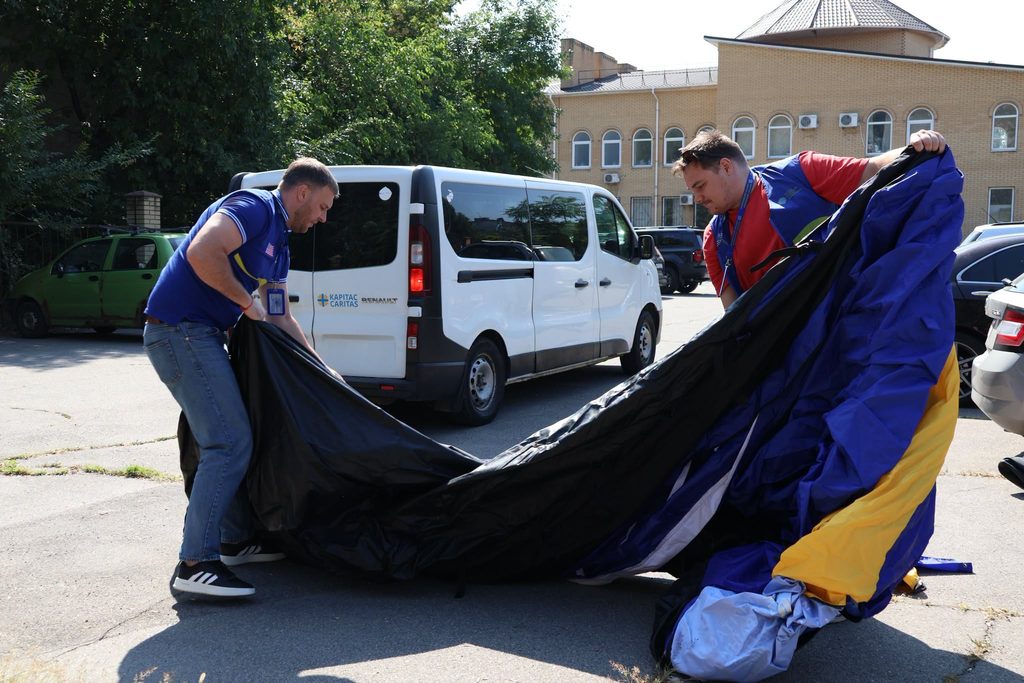
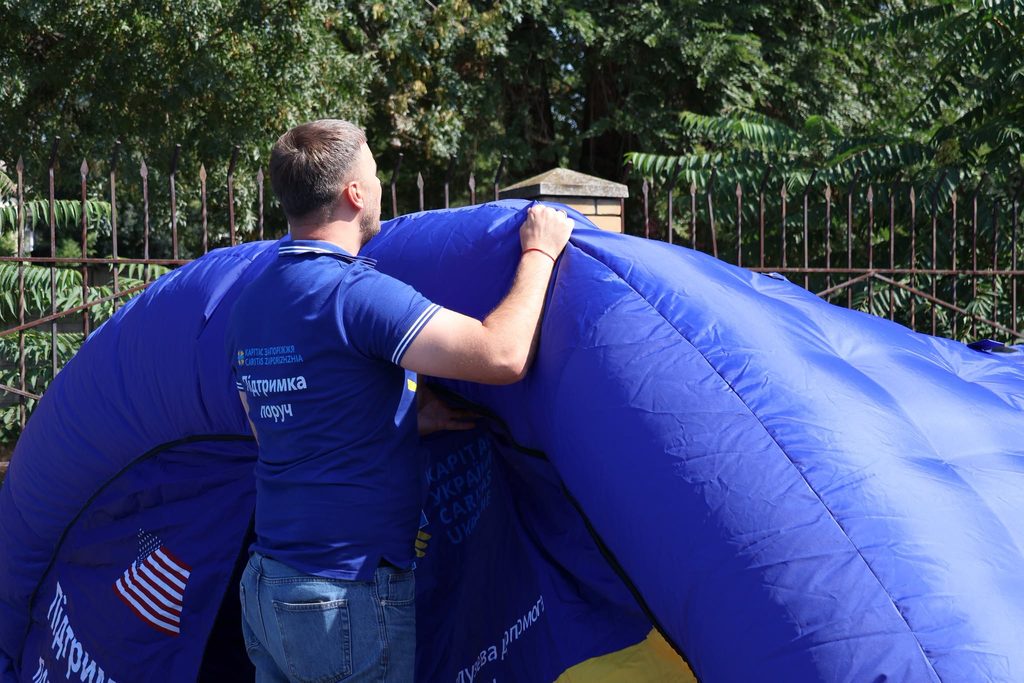
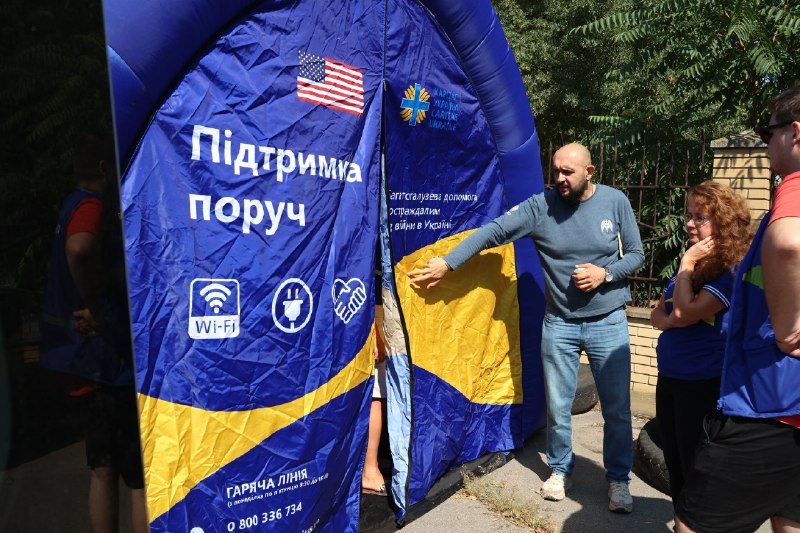
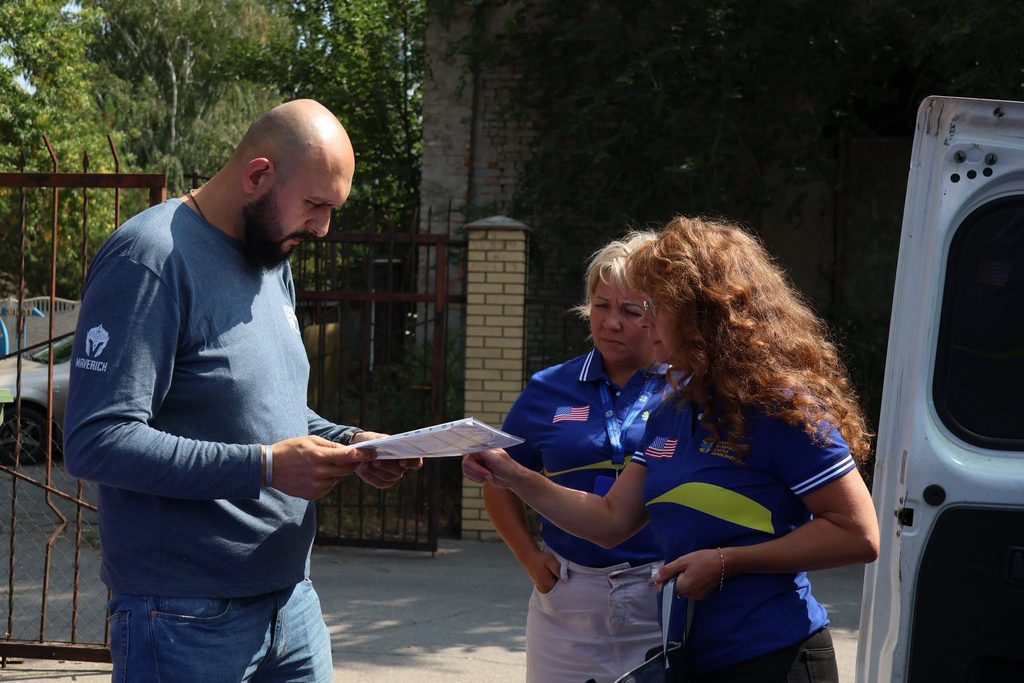
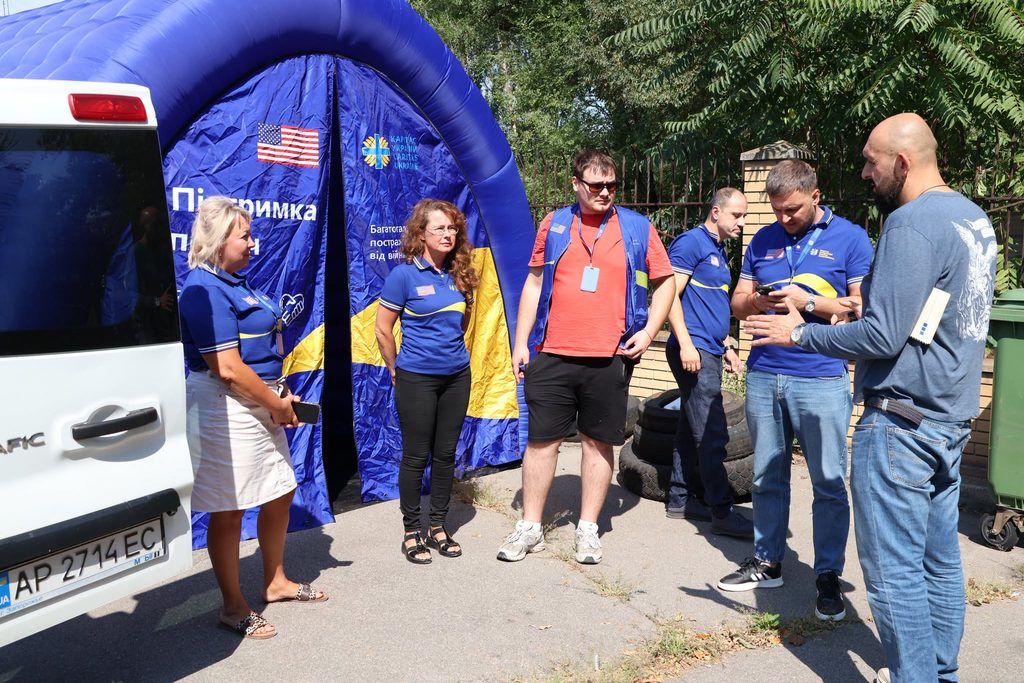
Testing the Rapid Response mobile tent.
— What I find particularly encouraging is when people ask further questions. When someone asks not ‘What have I been told to do?’ but ‘What happens if the circumstances change?’ or ‘How would we help in this particular situation?’, I know they are genuinely engaged in the work. You can learn a set of instructions, but you cannot create motivation by giving orders.
Stanislav himself sees expertise and hands-on experience as inseparable:
— For me, being a lead expert is not simply about having a job title. You earn credibility by knowing your subject and working through it in practice alongside the team. That shared experience matters to me because it means we speak the same language.
Does the Rapid Response team only deploy after attacks?
— We are already looking more broadly at responding to the consequences of attacks. Take a prolonged power cut or disruption to district heating in winter, for example. There may not have been an explosion immediately beforehand, but an entire community could be left without heating for hours or even days, creating an urgent need for assistance.
Rapid Response is preparing to operate in situations beyond the immediate aftermath of air strikes. Ahead of the cold season, teams are preparing insulated mobile tents, heaters, independent power supplies and personal warming items.
Rapid Response is gradually moving beyond a single ‘attack–deployment’ scenario. Its purpose is to ensure that teams are equipped and ready to support communities when essential services are severely disrupted.
The effects of the war are cumulative. After years of attacks, the strain is felt simultaneously by emergency services, local authorities, medical staff, rescuers, utility providers, humanitarian organisations and residents themselves.
— The state and its services simply cannot be the sole providers of every kind of support. What matters is that we do not duplicate each other’s efforts, but understand our respective roles. For me, Rapid Response is one form of work that serves society, allowing us to contribute what we are uniquely placed to offer.
If you had to sum up Rapid Response in two words, what would they be?
— A form of service.
Not everyone should go to the scene of an attack — doing so requires training, coordination and clearance from security specialists. But the conversation with Stanislav takes us beyond Rapid Response to a question that the war, in different ways, poses to each of us: what are we prepared to take responsibility for within our own capabilities?
We did not choose the circumstances in which we must seek an answer. But we can choose how we act. And, ultimately, it is through those actions that we reveal what we live for.
Tags
More news
Water through calm and air-raid alerts
Water at the tap depends on an entire system: wells, pumps, electricity, water networks and treatment facilities.
Getting away from shelling is only the first step: How full-cycle evacuation works
Getting away from shelling is only the first step. For families living near Ukraine’s front line, evacuation can also require accessible transportation, a place to stay, medical care — and a plan for what happens after the vehicle stops.
Living side by side does not make a community: How integration activities bring people together
Sometimes, the impact of an activity only becomes visible once it is over: people are in no hurry to leave and begin making plans to see one another again.