


Living side by side does not make a community: How integration activities bring people together
Sometimes, the impact of an activity only becomes visible once it is over: people are in no hurry to leave and begin making plans to see one another again.

Фахівчиня з комунікацій
Sometimes, the impact of an activity only becomes visible once it is over: people are in no hurry to leave and begin making plans to meet again. This is how connections start to form — the kind that gradually build a community capable of listening to different experiences, supporting its residents and finding solutions together.
After an integration activity in the Sofiivka community, two women stood talking by the exit for a few more minutes. Until that day, they had never met. Natalia lives in Sofiivka, while Hanna moved there because of the war.
“It’s wonderful that we met here and exchanged phone numbers. Now we can arrange to go places together,” Natalia said.
“Yes, it was definitely worth coming,” Hanna replied.
The programme had already finished, yet it was at that moment that its most important result became visible. The two women had met and decided to stay in touch on their own. Where else might they have crossed paths if their community had not created a space where people could simply take the time to start a conversation with someone they did not know?
The war has changed both the make-up and the everyday life of communities across Ukraine. People leave areas that have become unsafe, settle in new places, return home and, in some cases, are forced to leave again. Local residents and internally displaced people now live side by side, as do veterans and civilians, people who remained under occupation and those who spent long periods away from home. Their experiences can be very different. Loss, exhaustion and prolonged insecurity can create distance and mistrust between people, reinforce prejudice and divide communities into “us” and “them”.
Cash assistance, home repairs, food and essential items help people rebuild their daily lives. Yet someone may still feel alone, know none of their neighbours and have little idea how to become part of community life. This can be particularly acute in smaller and more remote settlements, where there are few permanent spaces for people to meet and do things together. What is missing is not simply entertainment. People need places where they can be heard, meet others, discuss a shared problem and decide together what to do next.
Social integration begins when people with different experiences stop being merely residents of the same place. They get to know each other, hear different perspectives, discover common interests and begin working on things that matter to everyone. Their differences do not disappear. They simply stop being a reason to keep their distance.
This is why Caritas Ukraine, together with local Caritas organisations, runs integration activities in communities. They take many forms: a Human Library, facilitated dialogue, interest clubs, community clean-ups or cooking activities. Yet the format alone does not make an activity integrative. What matters is who takes part, whether people actually interact, whether everyone has an opportunity to speak and whether something continues after the event itself.
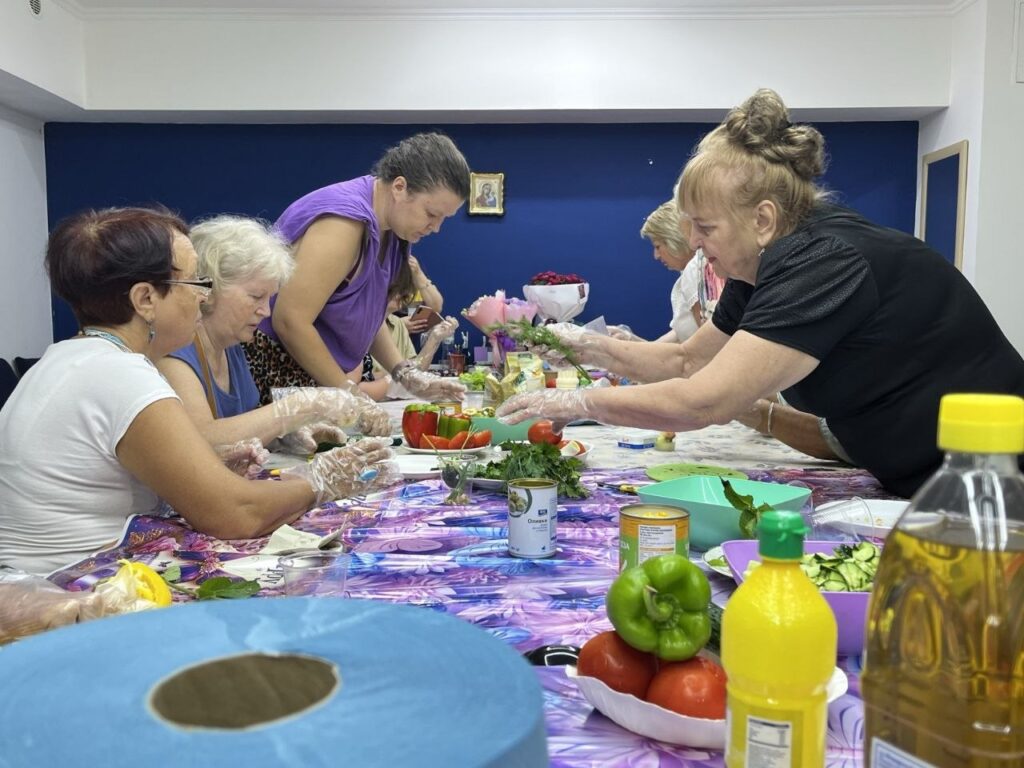
An ordinary workshop usually ends with a finished product. During an integration activity, creative work, cooking or another shared task becomes a reason for people to interact. As they work together, conversations begin. People introduce themselves and discover something about one another — sometimes with people they might never otherwise have spoken to.
Integration activities therefore follow a deliberate structure: introductions, a shared activity, conversation and reflection, with everyone given an opportunity to speak and be heard. For this process to work, it needs to be guided by trained staff who understand the purpose of the activity. Across the Caritas Ukraine network, this role is carried out by community facilitators.
Facilitators organise group interaction, help participants listen to one another and identify the shared interests, needs and opportunities that can exist beneath very different life experiences. If a common idea emerges during an activity — to set up an interest club, organise something new or work together on a problem facing the community — the facilitator helps participants identify the next steps and find potential partners, resources and opportunities to make it happen. The real outcome of an integration activity is therefore the new connections between people and their growing ability to act together.
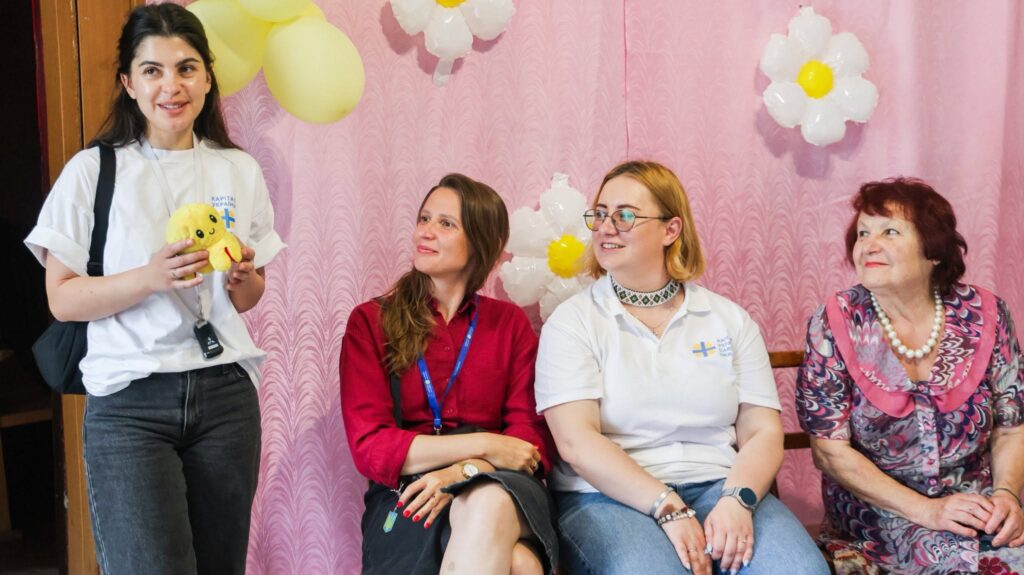
The integration activities are part of the project Multi-Sectoral Assistance to War-Affected People in Ukraine, implemented by Caritas Ukraine with support from the US Government. Community facilitators work across Dnipropetrovsk, Poltava, Kharkiv and Mykolaiv regions, in large cities, towns and remote villages. In Kryvyi Rih district alone, the work covers all 15 communities.
This work sits alongside cash assistance, home repairs and other forms of support. Material assistance gives people the resources they need to restore everyday life. Integration activities help rebuild the connections that enable residents to support each other and respond collectively to the challenges that come next.
“Reconstruction is easy to see when a house, school or hospital has been repaired. Trust between people is much harder to see, but it is precisely that trust which determines whether a community can make use of these opportunities together and continue to act once a project has ended,” explains Anna Chudovska, Community Manager at Caritas Ukraine.
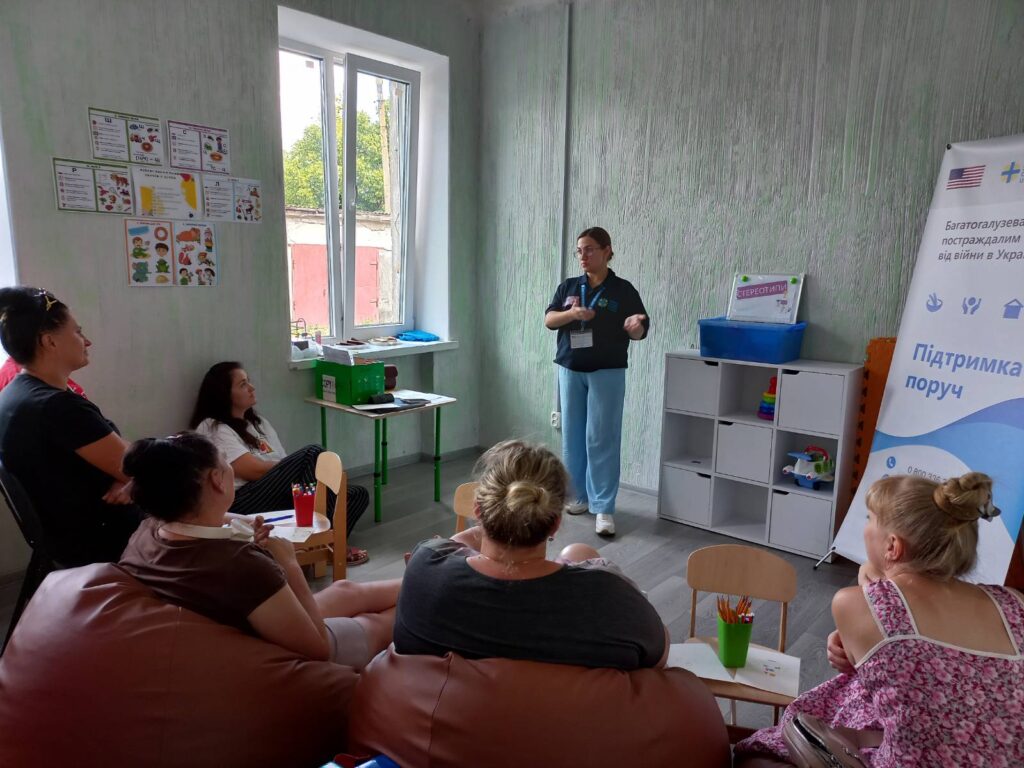
In the Sofiivka community, a facilitator from Caritas Kryvyi Rih organised an activity around a discussion of stereotypes, women’s roles in contemporary society and the prejudices that can prevent people from forming connections. A separate creative session was organised for the children, allowing mothers to take part in the discussion without distraction, listen to other women’s experiences and talk about issues that rarely find their way into everyday conversations.
This was where Natalia and Hanna met. Their decision to exchange contact details was a simple but revealing sign that the space had worked: their conversation no longer needed a facilitator to keep it going.
In Lykhivka, in Dnipropetrovsk region, residents went a step further — from meeting new people to creating an initiative of their own. After one integration activity, a group of older people approached the facilitator.
“Could you help us find some Nordic walking poles? We really want to start a club and we’re ready to learn, but we can’t afford to buy them ourselves.”
The project did not provide for the purchase of this kind of equipment. The facilitator could not simply buy the poles, but she could help the group look for another way forward. Together, they discussed holding a charity fair, approaching local residents and contacting Nordic walking communities.
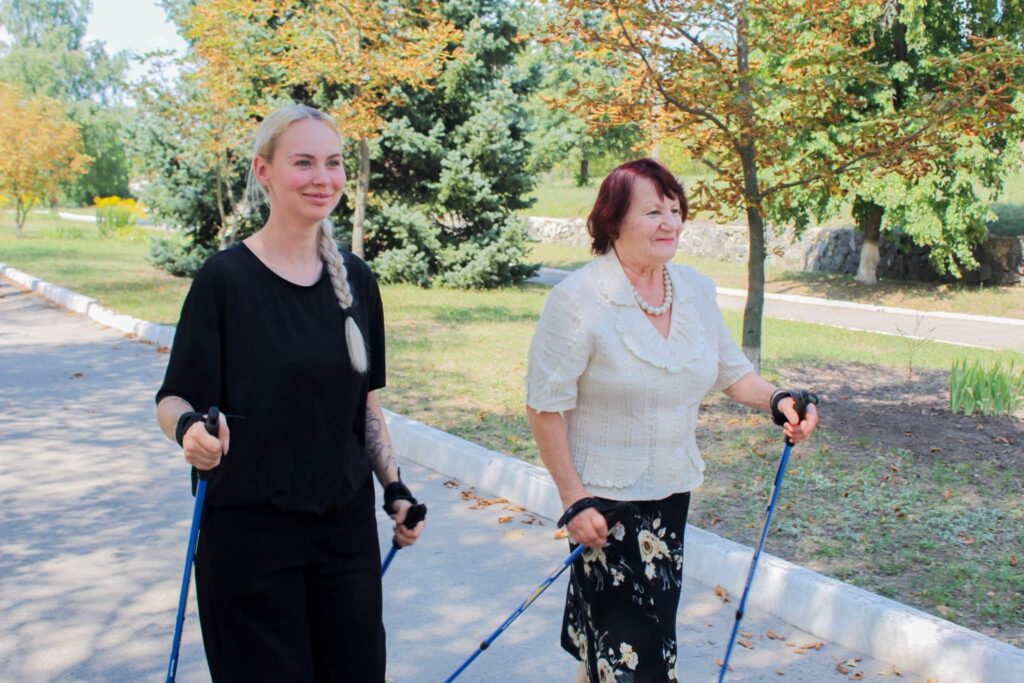
Several months later, Ihor, one of the founders of the Nordic walking movement in Ukraine, responded to the appeal. He offered to donate several pairs of poles, provide online training and share his experience with the group.
The poles themselves were not the most important outcome. The participants had developed an idea of their own, brought people together around it, looked for opportunities and created a club that could continue after the project ended. An integration activity had become the starting point for a community-led initiative, while the facilitator helped the participants move from “we would like to” to “we are doing it”.
Stories like these show different stages of the same process. At first, people have a reason to leave their homes and start a conversation. Then they find people they can trust. Eventually, something emerges that they want to do together.
Integration does not end when an organised activity finishes. Its effects become visible later: in a phone call to someone newly met, in a club that continues to gather without the project team, in a willingness to help a neighbour or suggest a solution to a problem in the village. At that point, people are no longer waiting for the next organised event. They are maintaining the connections themselves and creating opportunities for others.
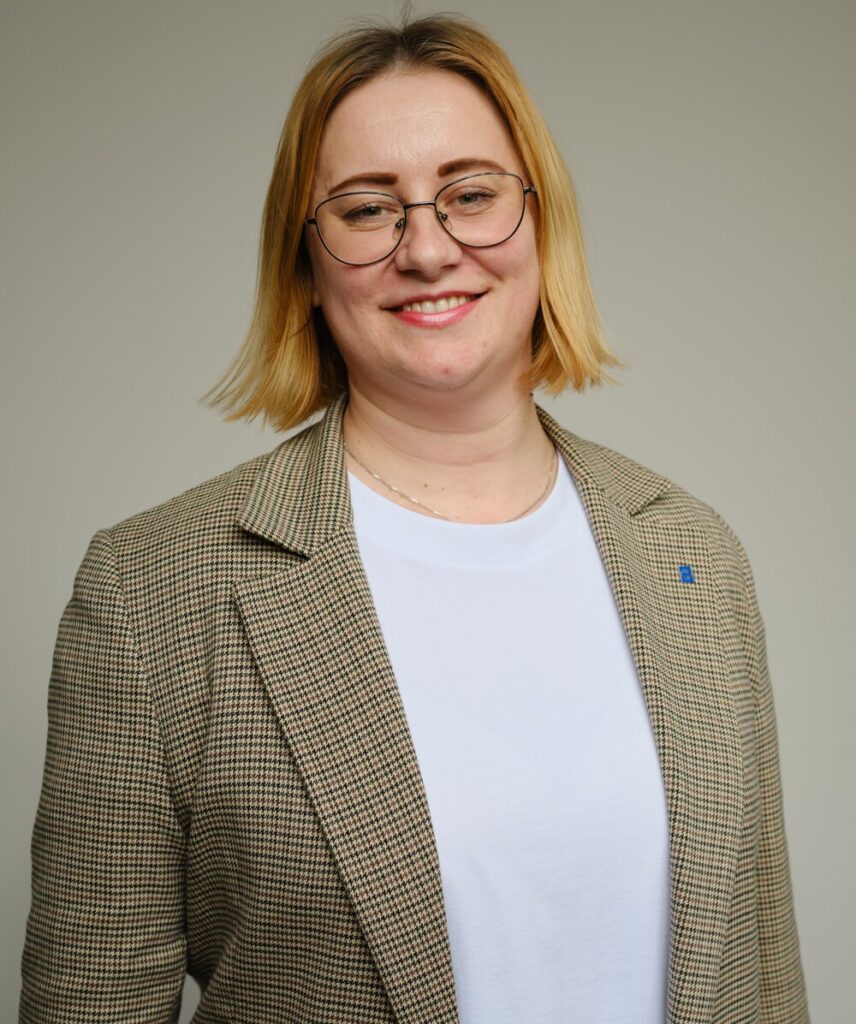
“Humanitarian assistance gives people the opportunity to rebuild their lives, while integration activities help rebuild the community,” says Anna Chudovska, Community Manager at Caritas Ukraine. “When people know each other, work together and build trust, the community becomes more resilient to crises and better able to respond to future challenges on its own.”
If people in your community lack a space to meet, talk or take action together, the starting point can be something very simple: a subject or activity that gives them a reason to come together. To find out whether integration activities are taking place in your community, contact your nearest local Caritas Ukraine organisation.
Sometimes, a new circle of people begins with a single activity — something done together, an honest conversation or a meeting that people simply want to continue.
Tags
More news
Practical solidarity: Caritas partners meet for Country Forum
On September 23, 2026, representatives of “Caritas Ukraine,” “Caritas-Spes Ukraine,” and their partners held a Country Forum.
When every minute counts, but rushing can put lives at risk
How Caritas Rapid Response teams organise assistance in the aftermath of attacks.
Water through calm and air-raid alerts
Water at the tap depends on an entire system: wells, pumps, electricity, water networks and treatment facilities.