


How inclusive and child-friendly spaces become places of strength for children, young people and their families
One of the Mykolaiv inclusive space participants spends nearly an hour travelling to Caritas Mykolaiv every week. Another wakes up at five in the morning to make sure she doesn’t oversleep, and is already waiting next to the the space door by 8.30 AM.
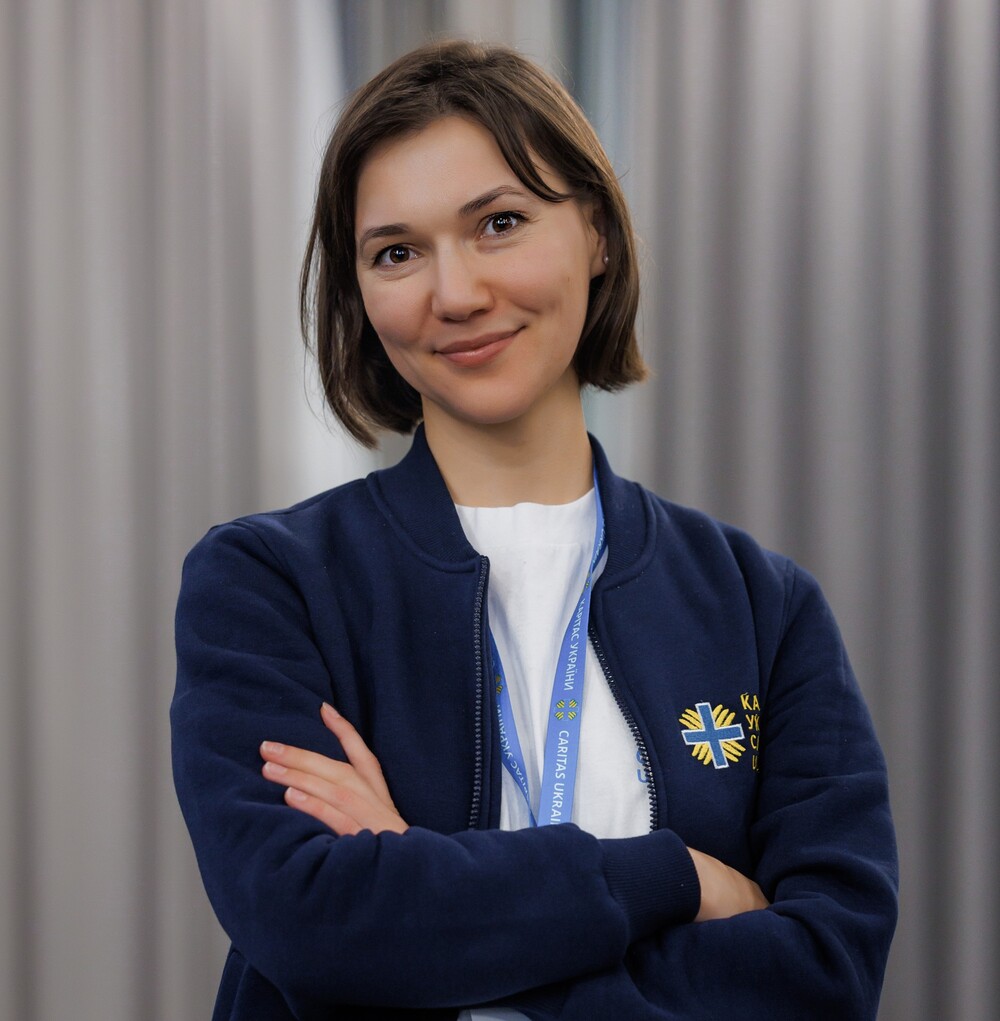
Комунікаційна менеджерка програм Інклюзія, Соцзахисту та ПЗПСП
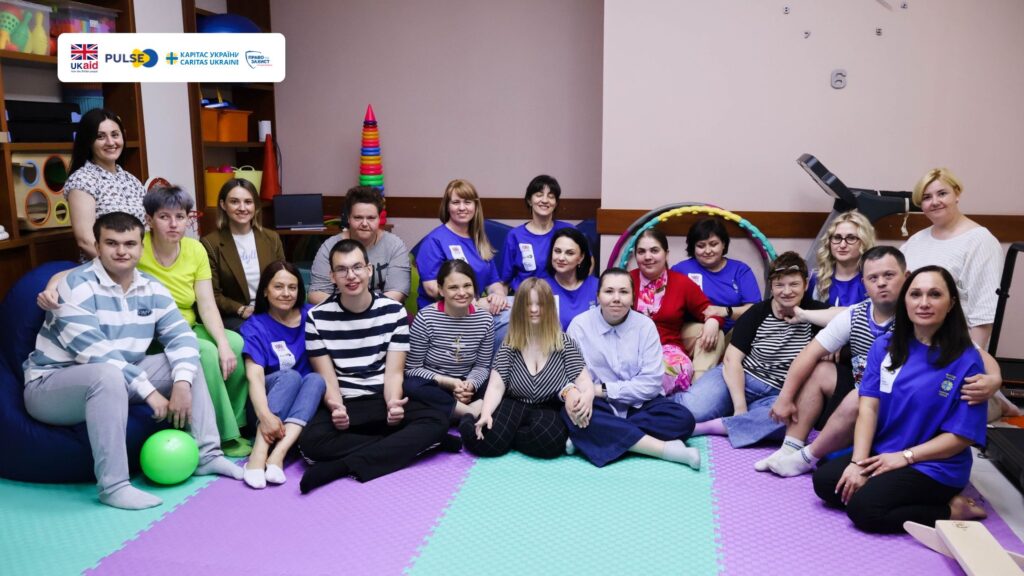
When we asked what lies at the heart of such persistence, and the answer:
«Because our friends are here, they understand us, and it feels like home».
These words describe as best the significance of the inclusive and child-friendly spaces currently operating in Kharkiv, Mykolaiv and Odesa as part of the project “Rescue and Support for the Civilian Population of Ukraine Affected by Hostilities”, which is being implemented under the First National PULSE Consortium.
At the end of May, the Caritas Ukraine team visited these local organisations to speak with participants, their families and the specialists who, day in, day out, create a safe environment for children and young people with intellectual disabilities to develop, learn and socialise.
In each city, the centres have their own unique features. In Kharkiv, parents spoke about their children’s future and the need to expand services. For many families, the inclusive centre has become not just a place for activities, but part of their everyday life. It is here that young people make friends, learn to interact with others and gain new experiences.
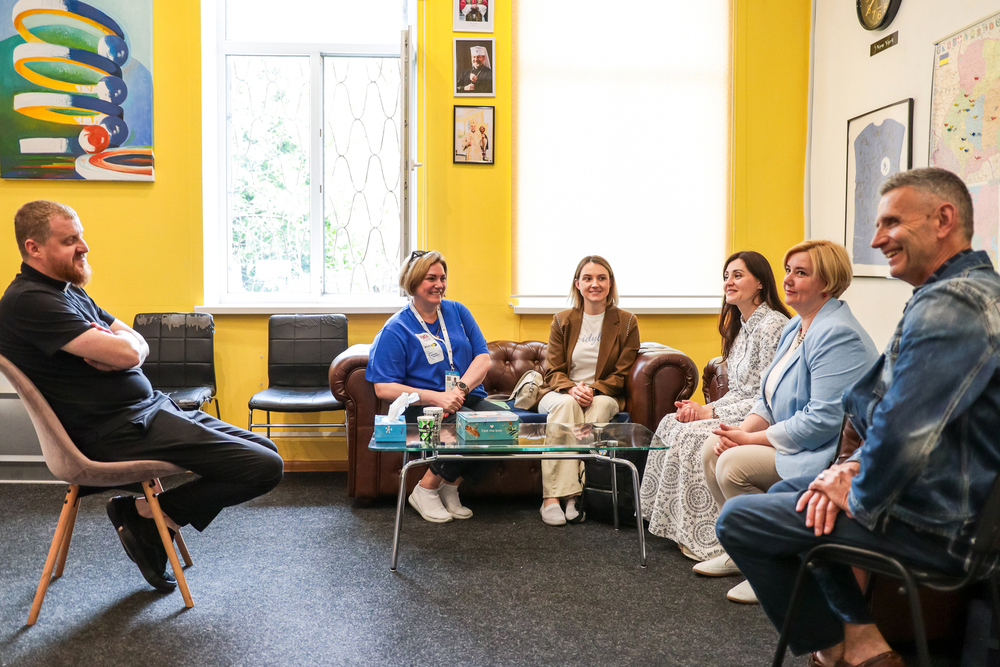
While speaking with the parents of children attending a child-friendly space in Kharkiv, we heard many expressions of gratitude for the opportunity to take part in the project. Parents noted that, given the security restrictions and the particularities of how the educational process is organised in the city, such spaces remain one of the few opportunities for children to socialise. At present, underground schools and day nurseries operate on a hybrid timetable and can only accommodate a limited number of children: schoolchildren attend lessons for around two hours a day, while toddlers attend for just a few hours a week. In such circumstances, a child-friendly space becomes not only a place for development and leisure, but also a vital environment for socialising, forming friendships and supporting children’s emotional wellbeing.
In Mykolaiv, we saw how a new inclusive space is taking shape and how a community is coming together around it. For the local organisation, this is a new area of activity, but it is already clear just how important it is, not only for the participants and their families, but also for the community as a whole.
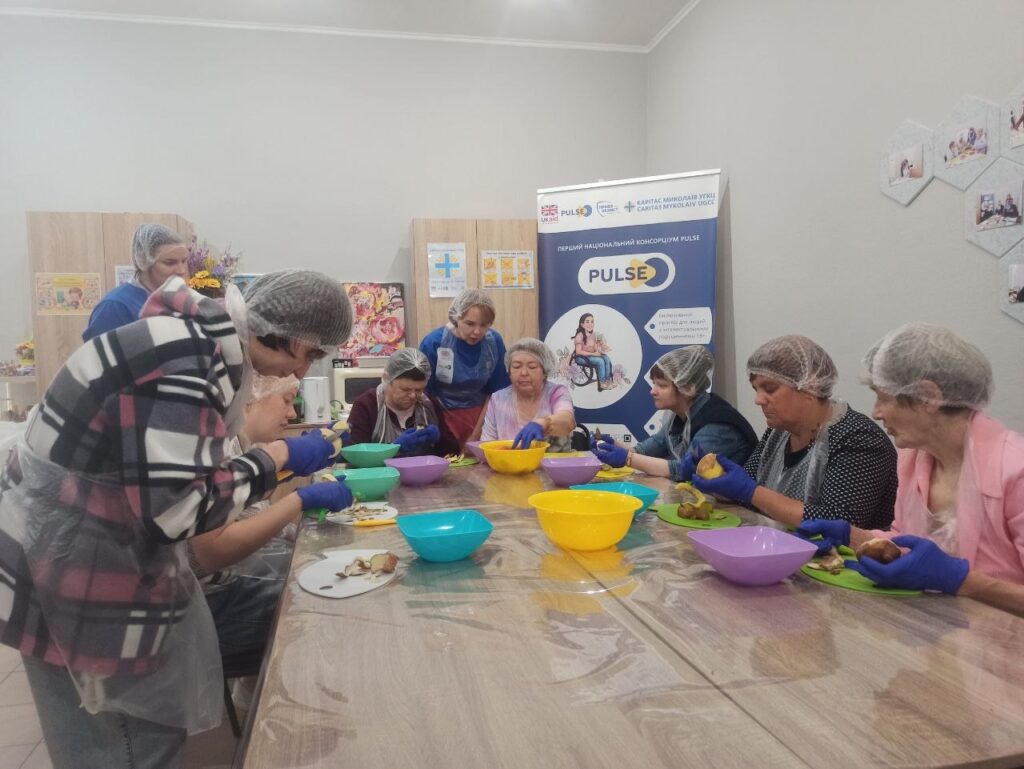
We heard a particularly large number of success stories in Odesa.
One of them is about a little boy who started attending a child-friendly centre. When he first came to a session, he hardly spoke and avoided interacting with those around him. Thanks to the dedicated work of the specialists, the support of his family and the safe environment, he now communicates actively, takes part in the sessions and knows all the specialists by name. Admittedly, he still gets them a bit mixed up sometimes, but the team takes it in their stride, as until very recently the boy didn’t address them by name at all.
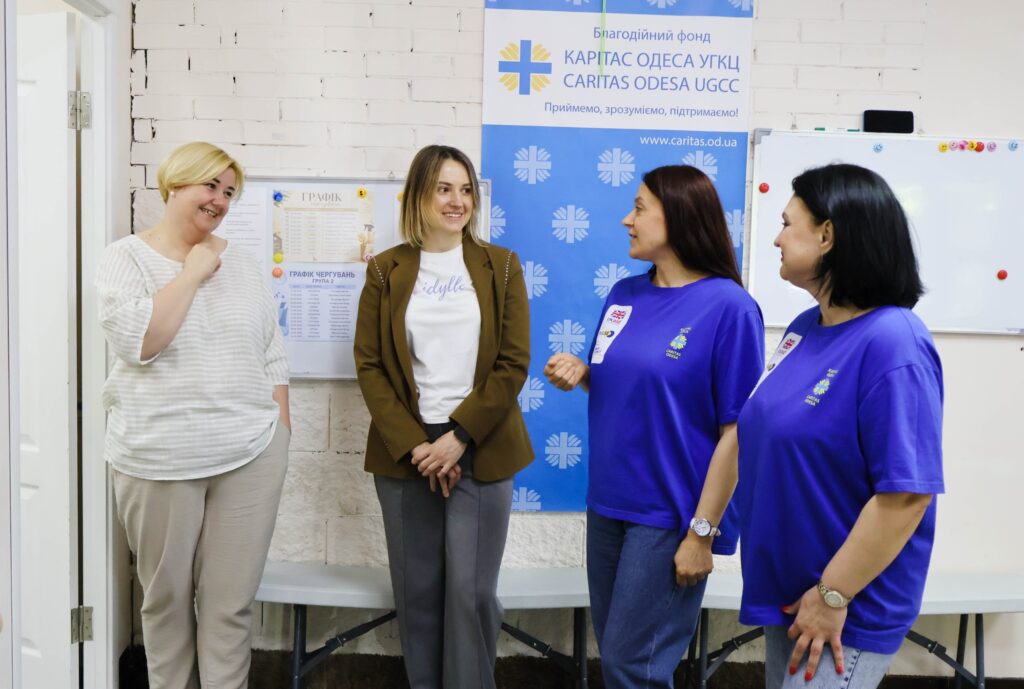
For the team, this is not just the success story of one child. It is proof that systematic support and patienсe, day-to-day work can change the lives of people with disabilities for the better.
«Every story like this shows that a child’s development takes place when they feel accepted and protected. A child-friendly space is not just about activities, but about creating an environment in which child can realise their potential at their own pace,» says Halyna Yadzhak, an expert with Caritas Ukraine’s “Education, Formation and Protection of Children” Programme.
Another heart-warming moment was the meeting with young people who attend an inclusive space in Odesa. During the visit, the participants led a warm-up session for the guests, which they had learnt while taking part in the Theatre of Tolerance. The young people confidently demonstrated the exercises, helped others and happily took on the leader’s role.
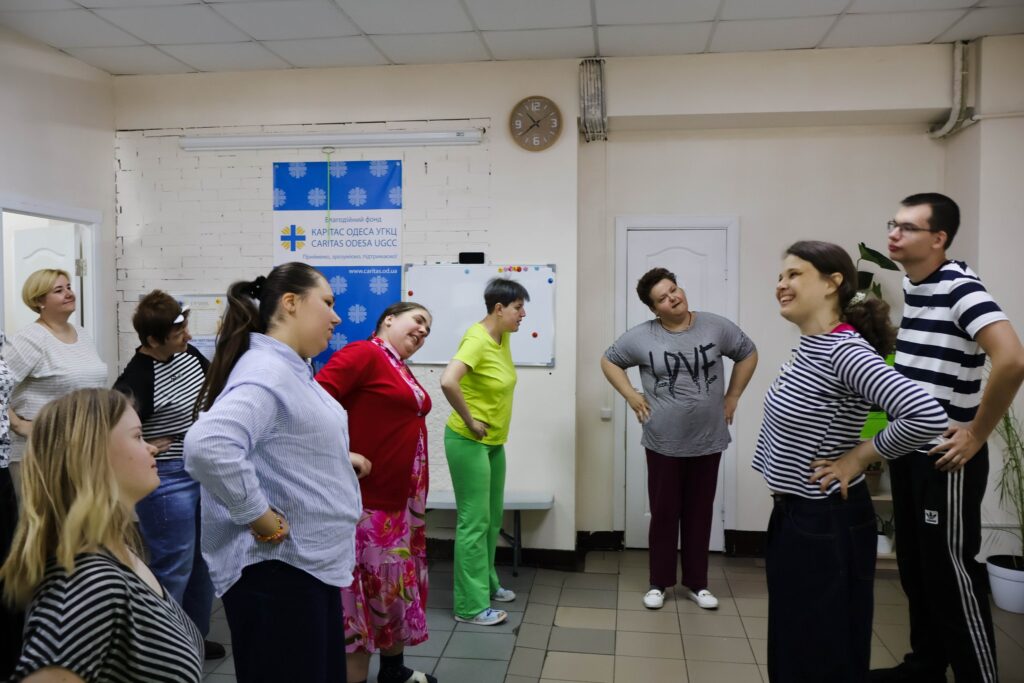
At that moment, it was hard to tell who was learning more from whom — us from the young people, or the young people from us. Their openness, confidence and desire to be active participants in events proved once again just how important inclusive approaches are.
«It is very valuable for us to see how the participants in the space not only take part in the sessions, but also become the initiators of activities themselves. The young people have bonded so much, learnt to interact and support one another, that they are now organising and running their own events for their friends. This demonstrates their growing confidence and independence. It is extremely important to give young people the opportunity to socialise, feel needed, showcase their strengths and realise their own potential. “Every new achievement, every new skill or ability is a major personal victory that boosts their self-esteem and helps them to be more independent in their daily lives,» says Olena Bushchak, an expert with the Caritas Ukraine “Inclusion” Programme.
During all three visits, we saw not only the results of the work but also the challenges facing such initiatives. Young people with intellectual disabilities need time to adapt, build trusting relationships and develop a sense of belonging to the community. That is why the continuity of such services is particularly important.
An inclusive space does not come about overnight. It takes months for trust to build, for the first friendships to form, for the first successes to be achieved, and for the first confident steps towards independence to be taken. That is precisely why it is so important that, once the projects have ended, the young people and their families do not lose the place that has become such an important part of their lives.
«We have seen tremendous motivation among local teams and a genuine desire to develop inclusive services. At the same time, it is very important to seek ways to ensure their sustainability. Young people and their families need not just temporary solutions, but long-term support and access to services that help them play an active role in the community,» summarised project manager Oksana Kuzmenko.
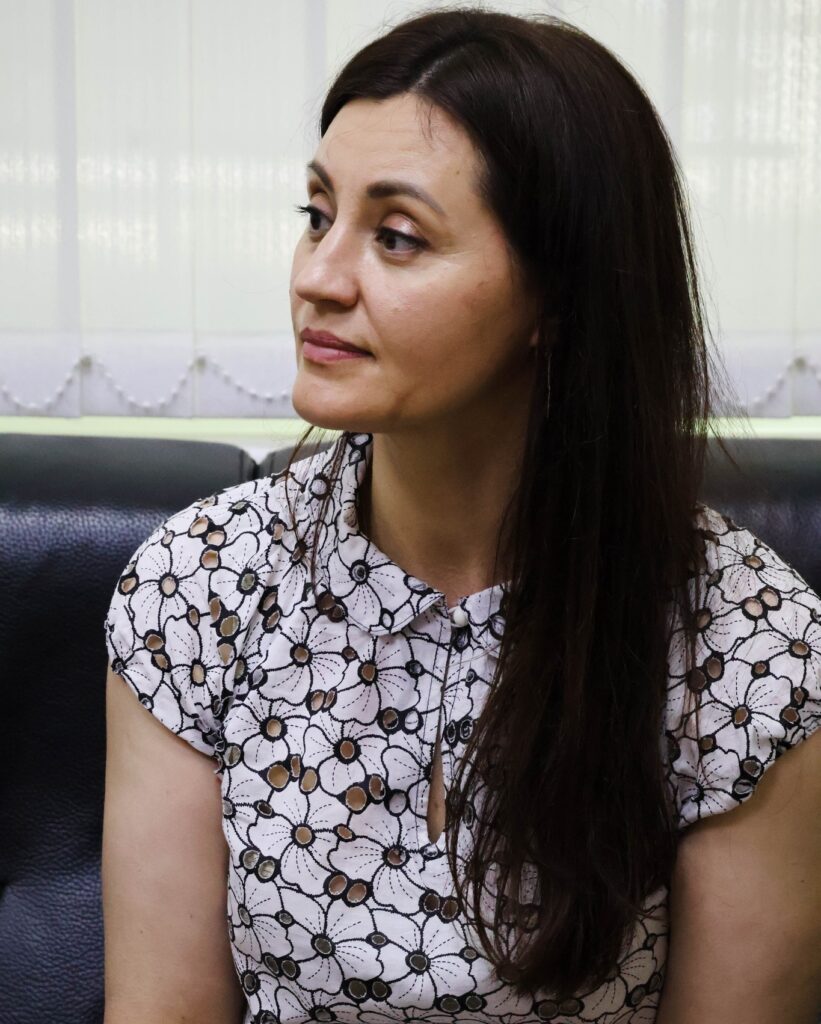
After all, behind every space like this there is more than just project figures or reports. Behind them are people, their stories, friendships, support and a sense of belonging to a community.
Sometimes, the full value of this work can be summed up in one simple phrase:
«Because our friends are here, they understand us, and it feels like home».
This project funded with UK aid from the UK Government and is implemented by Caritas Ukraine within the National PULSE Consortium, coordinated by Right to Protection.
UK Government support to this project in Ukraine is provided through the SHARP element of its Humanitarian Assistance, Recovery and Protection Programme.
Tags
More news
Practical solidarity: Caritas partners meet for Country Forum
On September 23, 2026, representatives of “Caritas Ukraine,” “Caritas-Spes Ukraine,” and their partners held a Country Forum.
When every minute counts, but rushing can put lives at risk
How Caritas Rapid Response teams organise assistance in the aftermath of attacks.
Water through calm and air-raid alerts
Water at the tap depends on an entire system: wells, pumps, electricity, water networks and treatment facilities.